Last month, I detailed the importance of understanding the effectiveness and ineffectiveness of sirens. This month, I’ll look at the effect of patrol vehicle color on visibility.
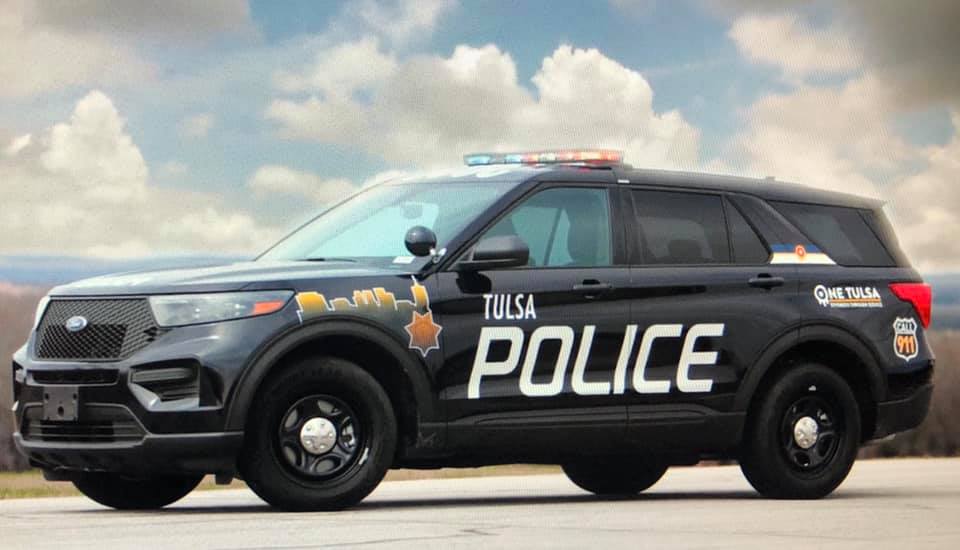
Growing up, watching television’s “One Adam 12,” “SWAT” and other cop shows, it seemed that all patrol cars should be black and white. After all, historically, the black and white has been closely tied into patrol work in America. But the truth is, just like the overhead lights and powerful sirens installed in our cruisers, the unique markings and colors on our police cars are also designed to help announce our presence in traffic and affect responder safety. And unfortunately, the old black-and-white color scheme that makes police officers pine for the days of bubble-gum lights and big-block cruisers isn’t the safest color choice.
One of the most well-known studies on emergency vehicle colors was conducted by Dr. Stephen Solomon, an optometrist who analyzed Dallas Fire Department crashes for four years to determine if the color of fire trucks played a factor in the crashes. After comparing traditional red fire trucks to red trucks with white cabs and lime-green trucks with white cabs, he determined that red and red/white trucks had a crash rate three times higher than trucks with lime green color schemes. Furthermore, a previous study by Solomon determined that lime green trucks had half as much chance of being involved in an intersection crash as red trucks.
How does this translate to police vehicles? Certainly, agencies aren’t going to rush out and start painting their patrol vehicles bright lime green. Solomon says the reaction motorists have to a black-and-white vehicle is more cultural than visual. They’ve been “trained” to identify a black-and-white colored vehicle as law enforcement, but the reality is that black and red are two of the toughest colors for the human eye to detect. Black can camouflage other colors, making a police vehicle even harder to see. Second, Solomon’s fire truck study determined that a single consistent color provides a more accurate profile for target identification by motorists.
Now, some might argue that a stealthy profile is beneficial in some situations, but for the most part, stealthy isn’t the way to go in code-3 situations. Example: At my last agency, our vehicles were solid dark blue. They were handsome cars with reflective markings, but they pretty much disappeared at night, especially in low-light situations.
According to Solomon, better options exist, including painting patrol vehicles using white, cream or yellow as a base color and adding markings that provide a complete silhouette of the vehicle. This paint scheme will provide a consistent outline that’s much easier to see at night.
Solomon is recognized worldwide as one of the leaders in emergency vehicle colors and markings, and he has some strong advocates here in the United States. In fact, the Arizona Blue Ribbon Panel, which was developed in 2002 by Ford Motor Car Company, the Arizona Department of Public Safety (DPS) and Lieutenant James Wells of the Florida Highway Patrol (see “Seeing the Light,” March 2008, Law Officer), adopted many of the recommendations found in Solomon’s work. Current Arizona DPS white patrol vehicles use unique reflective tape on both sides of the vehicle that clearly outlines its shape at night. Reflective chevron-patterned tape was also added to the rear bumper to help reduce rear-end collisions. And, while the light bars were also redesigned, the combination of white patrol vehicles, reflective blue markings and aforementioned reflective silhouette tape has helped increase the awareness of other motorists.
So, because you may work for an agency with black-and-white cars, and because you can’t just start slapping reflective tape onto your car, here’s
the most important point to take from
this information: For as cool as
black and whites look, data clearly shows that police vehicles with this color scheme are at a disadvantage when running code-3 to a call. Motorists will find you harder to spot, including at night because of the black portions blending in with the background, and if they aren’t positioned so that they can clearly see your overhead lights, they may not see you at all.
Stay tuned for Part 3 of “Factors to Consider When Running Code-3.” I will discuss the importance of Code-3 on overall response times.