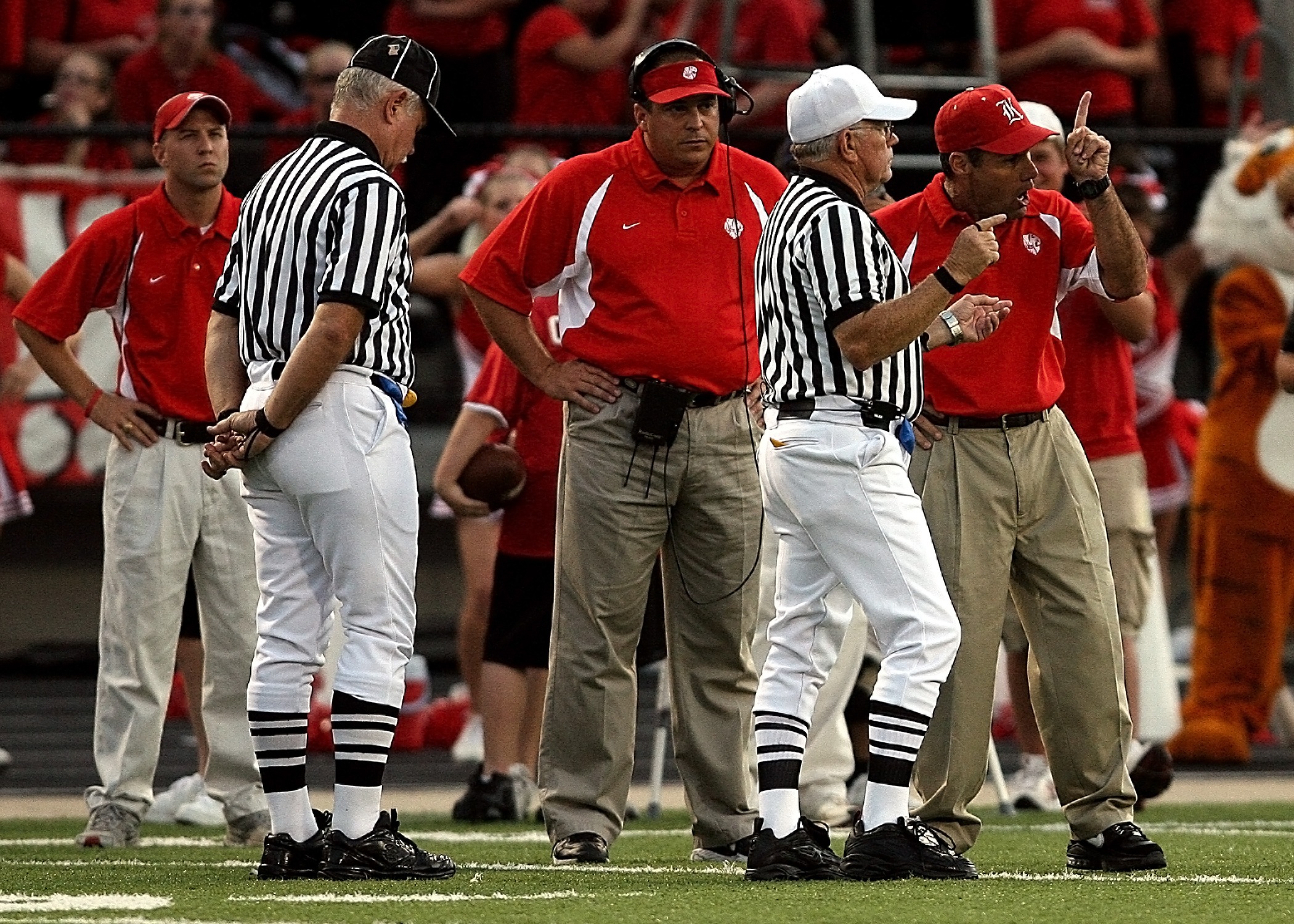
If the only time your team hears your voice is after someone makes a mistake, you are not coaching them; you are simply officiating them.
In nearly every organization, leaders tend to fall into one of two major categories: coaches and referees. Both roles are important in sports, but only one is designed to develop people.
A referee stands outside the team. The referee watches the action, waits for someone to violate a rule, blows the whistle, and throws the flag. The referee can identify what went wrong, but it is not the referee’s responsibility to help the player improve.
Unfortunately, some leaders operate the same way.
Referee-style leaders spend their time searching for mistakes. They often stay distant until something goes wrong, then quickly point out the violation, assign blame, or issue discipline. Their people rarely hear encouragement, direction, or meaningful feedback. They hear the leader’s voice only when the whistle blows.
This type of leadership may produce short-term compliance, but it rarely creates long-term commitment. Employees become afraid to take initiative because they know every mistake could bring another flag. Creativity declines, communication becomes guarded, and people begin hiding problems instead of asking for help.
A coaching leader creates a very different environment.
Coaches stand with their teams. They recognize individual strengths, identify areas for improvement, teach the fundamentals, and prepare people for difficult situations. They establish clear expectations before the game begins instead of waiting until someone fails.
Great coaches do not ignore mistakes or lower standards. They believe accountability is essential. However, they understand that accountability should lead to growth, not humiliation. When someone falls short, the coaching leader does more than point out the failure. That leader asks:
What happened? What can we learn from it? What training or support is needed? How can we prevent it from happening again?
The referee identifies the penalty. The coach develops the player.
Coaching leadership is not weak leadership. A good coach must sometimes make difficult decisions, change assignments, remove someone from a position, or enforce serious consequences. The difference is found in the purpose behind those decisions. A coaching leader acts to protect the team, uphold the standard, and help people improve—not simply to prove authority.
The best leaders understand that success is not measured by how many mistakes they catch. It is measured by how many people become more capable, confident, and successful because of their leadership.
People are more willing to accept correction from leaders who have already invested in their development. They are more likely to report problems, take responsibility, and pursue excellence when they know their leader wants them to succeed. Fear may create temporary obedience, but trust creates lasting commitment.
Leadership is tested most clearly when someone makes a mistake. It is easy to support people when they are winning. The real test comes when a team member misses an assignment, makes a poor decision, or fails to meet expectations.
In that moment, will you simply throw the flag and walk away? Or will you step onto the field, address the problem, and help that person become better?
Every leader must eventually decide which role to embrace. Your title may give you authority, but your investment in people gives you influence. Your team does not need someone standing on the sidelines waiting for failure. They need someone who will prepare them, challenge them, believe in them, and guide them toward victory.
Put down the whistle. Pick up the playbook. Develop your people, strengthen your team, and lead them toward success.
At the end of the day, the greatest legacy of leadership is not the number of penalties you called; it is the number of people who became winners because you chose to coach them.
Dr. John Haning is an investigator with the Rogers County Sheriff’s Office and has more than 20 years of experience in law enforcement and public service. His background includes major crimes, child exploitation, human trafficking, digital evidence, and collaboration with tribal, state, and federal agencies. He holds a Doctor of Forensic Science and the FBI LEEDA Trilogy Award. Dr. Haning is also a college instructor, national speaker, cofounder of Guardians of Tomorrow, and handler of Rosco, Oklahoma’s first Electronic Storage Detection K9. His leadership philosophy centers on service, accountability, mentorship, and developing others.