This is an old story, but I was reminded of it by a story I saw last week in the New York Post. A new GPS navigation device maps the location of known red light and photo radar cameras so that scofflaw drivers are alerted to them as they approach. They are careful to be within the speed limit or to stop safely for the traffic light if it's showing red for them.
One could argue that this accomplishes the same objective compliance with the law as the enforcement option, but that's just na ve. Drivers who buy gadgets like these are more likely to exceed the speed limit and run red lights when they think they can get away with it. They want to engage in the conduct, but not suffer the penalty. They do the crime, but not the time.
There is a significant industry devoted to this market. Radar detectors are the largest niche, but there are also radar and laser jammers, license plate covers that obscure the plate to traffic cameras, car "bras" that supposedly absorb or disperse radar or laser energy, and probably lots of others I haven't heard about. Some vendors advertise they will pay for any traffic fines incurred while using their products, but finding someone who has benefitted from this guarantee is difficult. There have been many practical tests of the devices, showing that some work, but others are just snake oil.
Getting out of it
The other approach to avoiding traffic penalties (other than the most effective one obeying the law) lies with placards, decals, license plate frames, wallet cards and other credentials intended to dissuade the enforcement officer from writing a ticket. These are usually acquired by making a donation to a police lodge or association, or in some locales, having a close friend or relative who is a law enforcement officer and has supplied the driver with a "courtesy card." These are commonplace in some parts of the country (especially the northeast), but unheard of in others.
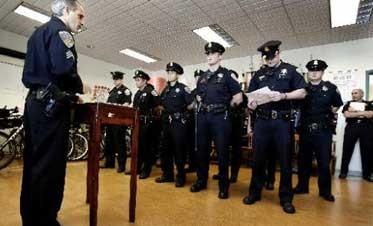
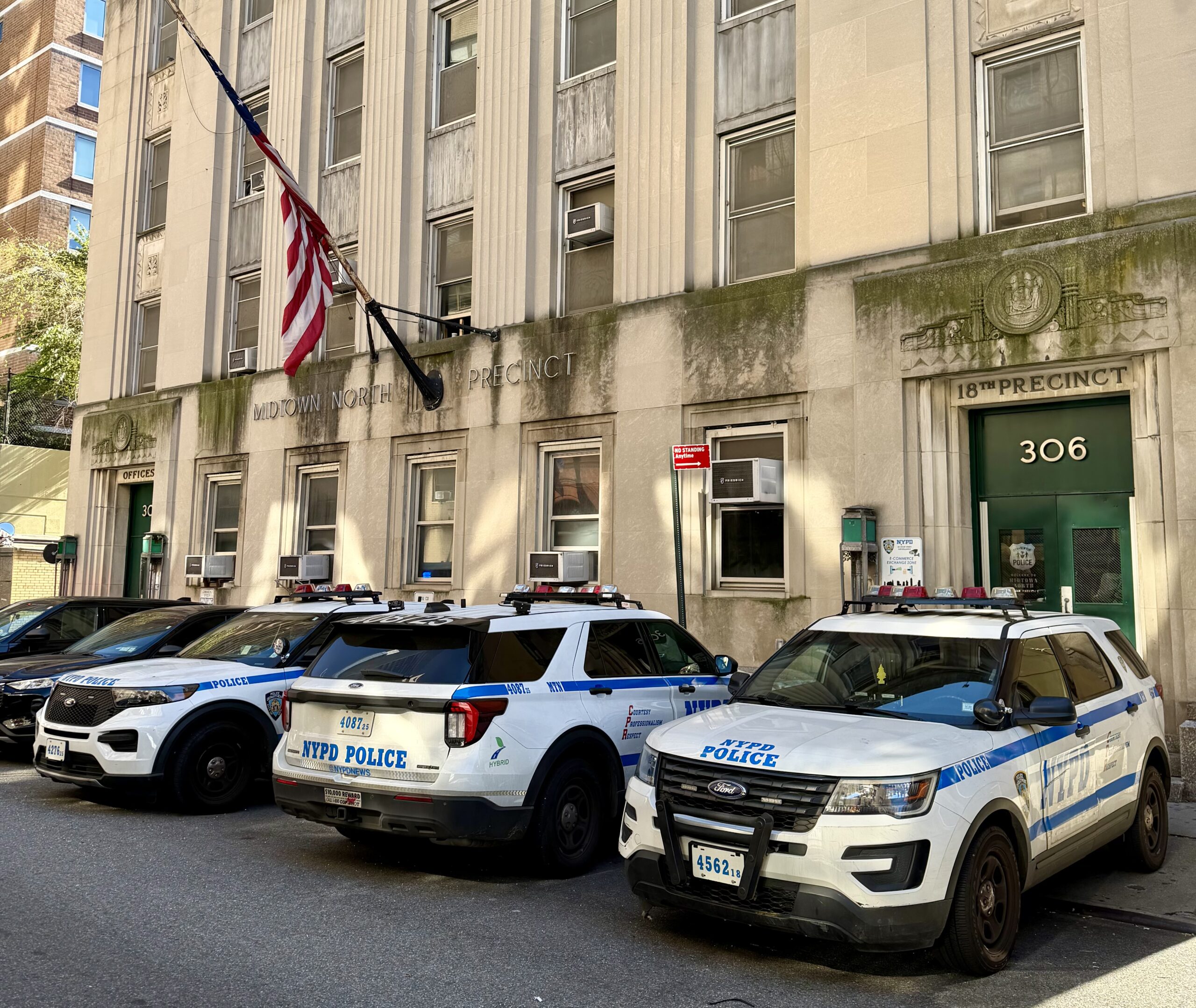
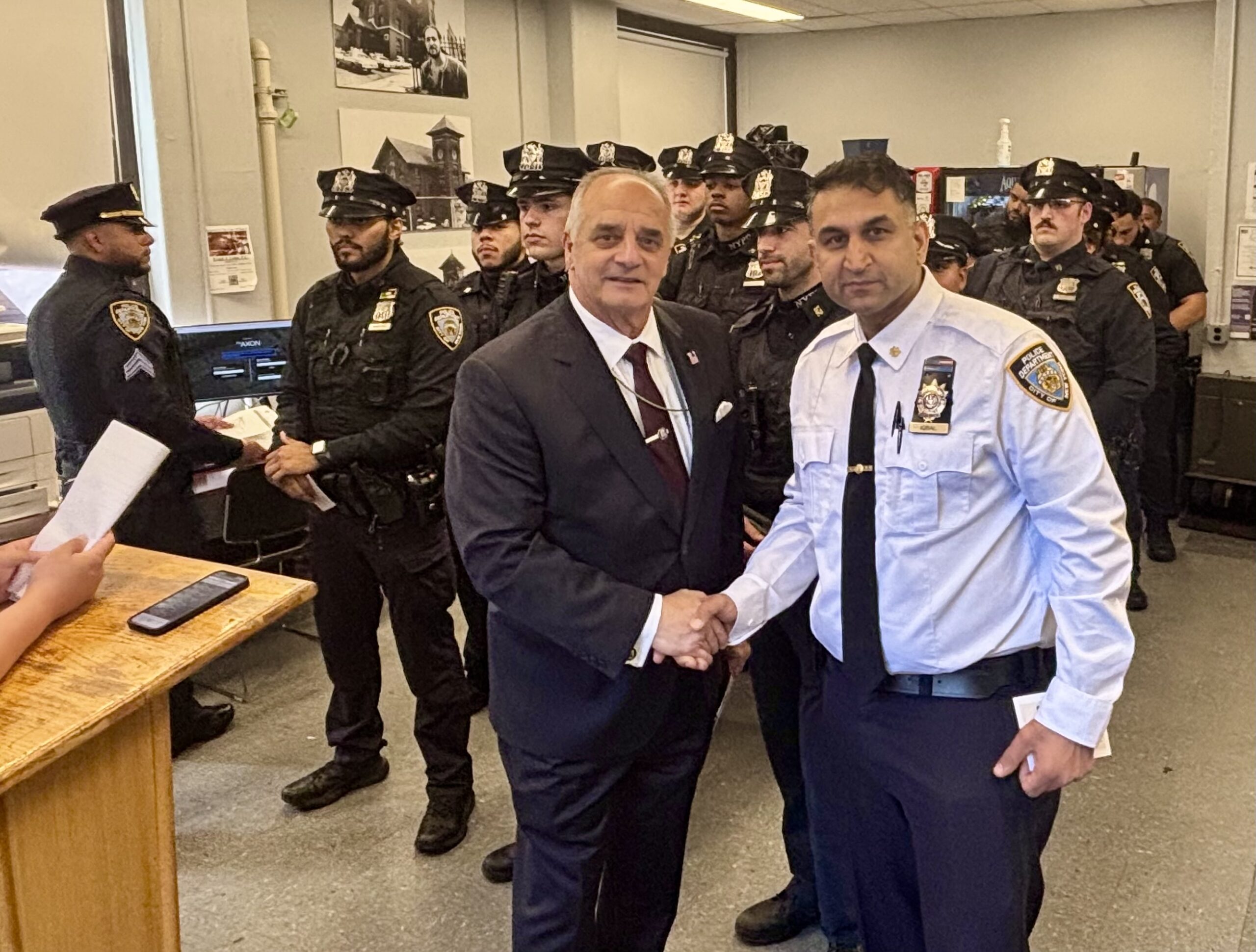
They work like this: each officer gets a fixed number of cards from their association. The cards bear the officer's name and a request to any other officer who sees the card to grant extra consideration to the bearer, who is someone special to the officer named on the card. The enforcing officer has three options. He can smile and send the driver on his way with a warning to be more careful; he can take the card from the bearer and return it to the officer who issued it with a report on the bearer's conduct, leaving the officer to decide whether to give the card back or not; or the enforcing officer can go ahead and write the ticket. This is called "writing over" the courtesy card. Some, if not many, officers will regard this as a personal betrayal, one with severe social-professional consequences.
There is also the time-honored and widespread practice of "professional courtesy," where off-duty officers show their ID and are sent on their way, but that's another column.
It's natural for most people to seek an edge when dealing with authority. "Teacher's pets" might have been able to get away with a little more than everyone else at school, and every law enforcement agency has "golden boys" (or girls) who can do no wrong where management is concerned. Most cops have run into a citizen or two who had the mayor or chief of police on speed dial, and could negate anything the officer did or said because of their prominence and influence. We've come to expect this kind of conduct that it's occasionally newsworthy when a celebrity is subjected to some kind of enforcement action and conducts themselves like they were anyone else, without asking for favor.
Everyman's crime
Traffic offenses are the most serious brush with the law most people ever experience. It's a rare person who has never had a traffic ticket. If you doubt this, you're almost certainly not a cop. Cops know that any first-time conversation with a "civilian" will almost certainly include the account of a traffic stop that the storyteller is certain is unique in the annals of law enforcement (they aren't, by the way, but we'll still listen politely and wait for you to get it out of your system).
Traffic laws are also inconvenient. When I'm on a long-distance trip through wide-open country like Nevada or Wyoming, the weather is good, the road is dry and straight, and my vehicle is in good condition, I can easily rationalize cranking it up way past the posted 70 or 75 mph speed limit to save time (even though I might not be saving gas). But I don't, because I'm something of a compulsive rule-follower. I set my cruise control to whatever is posted on the sign. The highway patrols of those states take up their time with people who aren't like me.
People who flaunt traffic laws often see driving their way as a competition, where the police are the other team. One motorist who purchased the software mentioned in the Post article said it "levels the playing field." He went on to say,
"Sometimes you can't help but go through a yellow," he said. "Then you get a $50 ticket. It's really not fair that there's no warning."
Actually, there is, friend. It's the yellow light, and you only get the ticket if you speed up or enter the intersection after it's changed to red. The same driver mentioned that, to him, "…yellow means go very, very fast."
This "game" metaphor extends to other criticisms of police enforcement tactics. There have been some intentional speed traps, where the speed limit changed abruptly after coming over a hill or around a bend where the sign couldn't be seen until the driver was right on it, with a "smokey" lying in wait. Every state has enacted anti-speed trap statutes where warnings of changes in speed limits have to be posted in advance of the change, and in some cases officers running traffic radar have to be in plain view for a specified distance away. But scofflaw drivers continue to call targeted enforcement areas "speed traps," even though there are no abrupt changes in speed limits or other miscues to encourage a driver to exceed the limit. There is a stretch of highway near my home that is posted as a targeted speed enforcement area, and the state patrol announces this on the local news outlets. It's a fairly straight stretch of highway that provides no place for police vehicles to hide. Yet, drivers who get tickets there still label the area as a "speed trap," with a tone of disgust when they mention it.
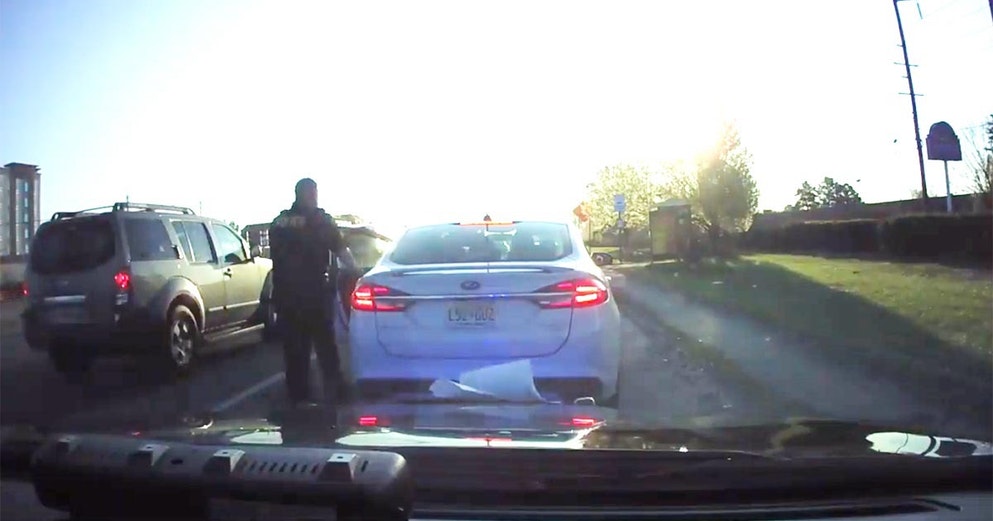
I had a student some years ago who was full of traffic stop stories. He favored "muscle cars" and took a free rein with his compliance of laws of rules of the road, as well as vehicle registration and insurance. He was livid the day after he had been stopped, ticketed, and his vehicle seized when he was found to be driving his Camaro with no insurance and plates that belonged on another car. "I was doing 20 in a 25 when I saw the cop pick up his radio and call in my plate. He had no right to do that." I told him that there was no probable cause requirement for an officer to run a license plate for registration and wants. "Yes, there is. He can't do that." He was never going to be convinced that the deck was stacked against him if he continued to try and evade the law. In his mind, the government had to give him a square chance to get away with it.
This is not a sign of the times. Economic stresses have affected us all, but there are just as many angry, reckless drivers as there have ever been. Cars are great force multipliers. In our cars, we control the music (and its volume), the temperature, the whole environment. With a tap of the pedal, we can move (almost) as fast as we want. We can also get over on other drivers by cutting them off, tailgating them, frightening them, or engaging in other obnoxious behaviors that make some people feel powerful. The experience is made even better if some alcohol or narcotics are introduced into the equation.
No one has come up with the magic bullet on traffic enforcement. We saw drunk driving arrests and fatalities fall during the ten years between 1983 and 1993, when most states dramatically increased the penalties for driving while impaired. That discouraged people who consider the consequences, but the remaining drunk driver cohort and the number of fatalities has seen only moderate declines since.
The commentary indicates that high-risk driving has a significant social component. Hazardous driving doesn't carry the stigma that drunk driving and more conventional crimes do. You can be a horrible driver and still regarded as an okay guy. When this behavior comes to be regarded as socially unacceptable and immoral, we might see some improvement in the numbers. Until then, it's us against them and some of the enemy is us.