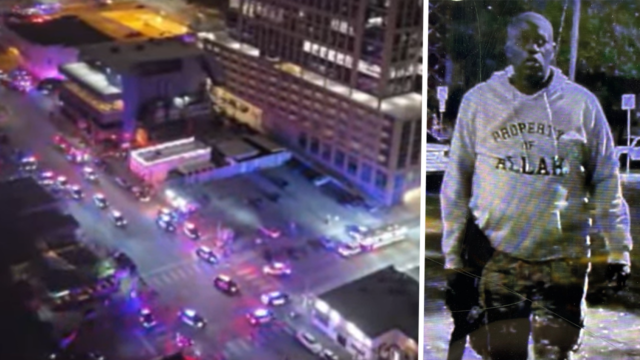
Austin, Texas: Travis County District Attorney José Garza said Tuesday his office will not refer the Austin police officers who killed the shooter in Sunday’s downtown attack to a grand jury, departing from a practice his office has used for several years for officer-involved shootings.
The announcement came after a day of escalating public pressure and online speculation about whether the officers would face a grand jury review, a process that can assess whether criminal charges are warranted. Garza said his office is not seeking charges and would not seek charges against the officers, describing them as heroes.
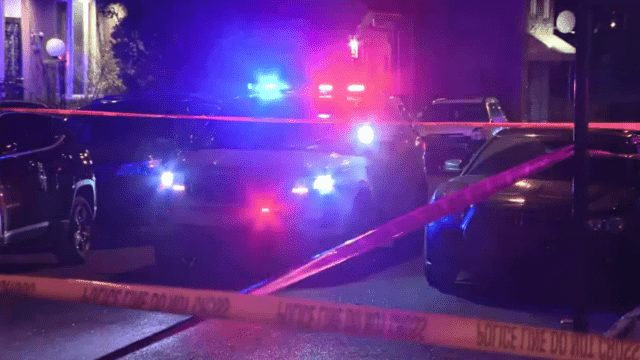
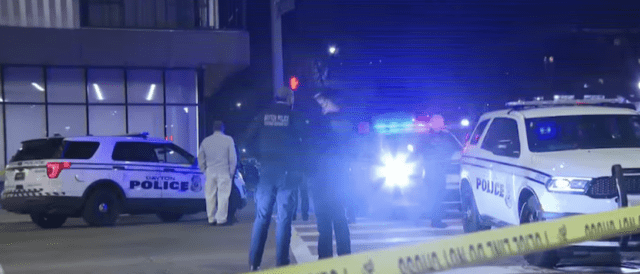
Authorities said the gunman opened fire outside a bar in Austin’s West Sixth Street entertainment district shortly before 2 a.m. Sunday, killing three people and injuring 13 others, before responding officers shot and killed him. First responders were praised for their speed, with paramedics and police arriving within about a minute of the first 911 call, according to the account described in Garza’s office statement and related reporting.
Garza has previously said routing officer-involved shootings to a grand jury promotes transparency, but his office said this case is an exception. The controversy intensified after statements circulated online suggesting the officers would be taken before a grand jury under the usual process.
Michael Bullock, president of the Austin Police Association, argued the circumstances were extraordinary and said the officers had been through enough, warning that outcomes in a grand jury can be unpredictable. Gov. Greg Abbott also weighed in publicly, calling the officers heroes and saying he would have the final say in their fate. Garza responded Tuesday by rejecting claims that his office planned to pursue charges and criticized what he described as political exploitation surrounding the incident.
Travis County’s approach to grand jury reviews in police shootings has changed across administrations. Former District Attorney Margaret Moore said she would only take cases to a grand jury if she believed a shooting was unlawful or facts were in dispute. Garza, elected in 2021 on a criminal justice reform platform, has used grand juries more broadly to evaluate use-of-force cases, which has contributed to years of tension with parts of local law enforcement leadership and the police union, the story reports.
Dr. Travis Yates recently called leaders who lean on a grand jury to make decisions “weak” because the proceeding itself is biased against law enforcement. In his article, “Hiding Behind a Suit and Robe,” Yates said that “rather than make a prosecutorial (leadership) decision, grand juries can operate in ways that disadvantage potential defendants, and in officer-involved cases, that dynamic can be devastating. Sol Wachtler, the former Chief Judge of the New York Court of Appeals, explained how that is done. A grand jury can “indict a ham sandwich.” In most grand jury proceedings, the defense cannot present a full adversarial case, and the prosecutor controls what evidence and framing the jurors hear.”