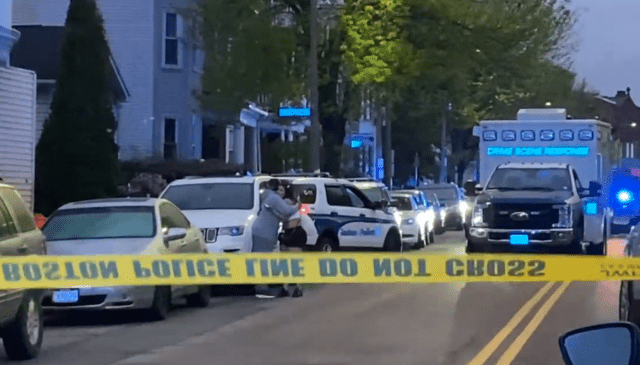
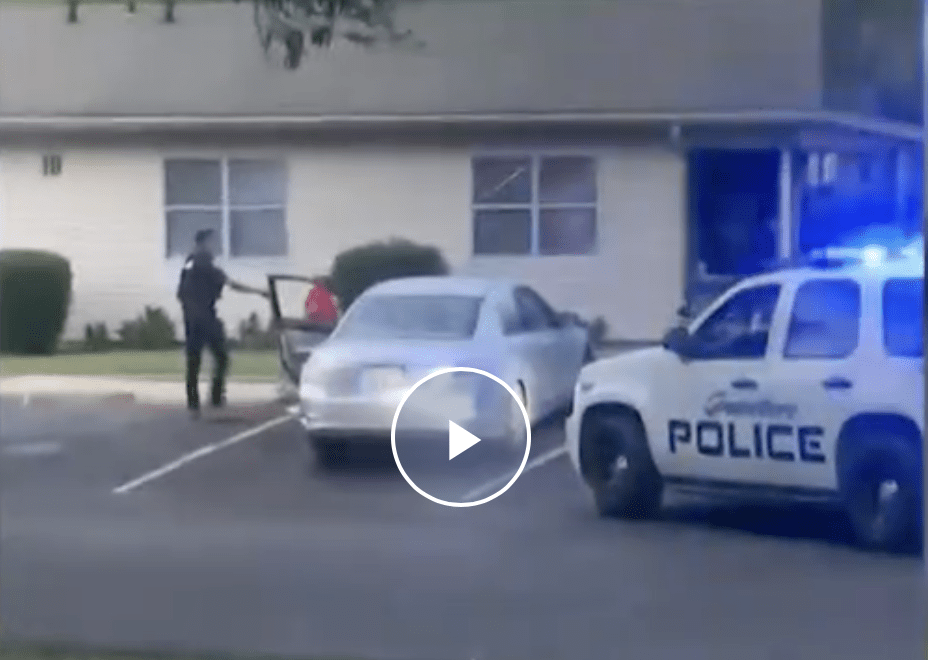
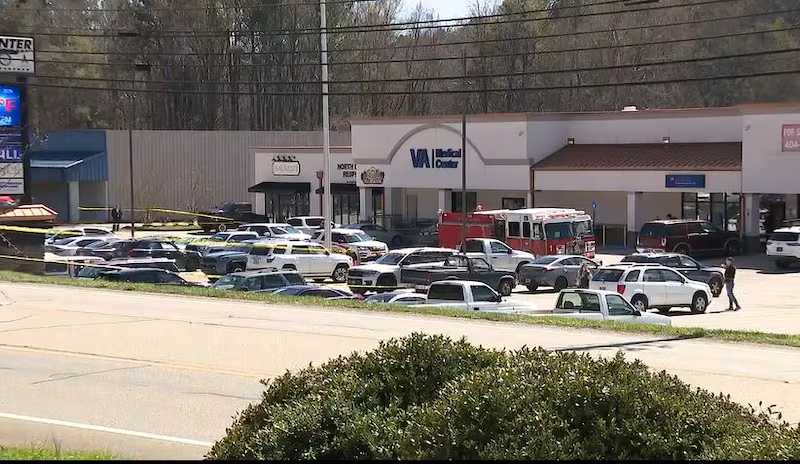
Only 11 days before 2013 ended, on December 20, law enforcement lost two officers in one day. In Alabama, a Centre PD officer died in a head-on crash that also took the lives of a young mother and her child. In Cook County, Ill., an off-duty sheriff’s deputy who intervened in an armed robbery was shot and killed after he identified himself and reached for his weapon. In a single day, those two losses pushed us into the triple digits in the number of line-of-duty deaths (LODDs). Unfortunately, those two officers were not the last to be lost in 2013.
Human nature is such that we focus on the most recent events and attach more significance to them. Like everyone, I’m disappointed that the Below 100 goal was not achieved in 2013, but it’s important to remember that every single LODD during this past year was just as tragic and impacting as the most recent losses. Let’s not lose sight of the fact that during 2013 more than 100 families lost a loved one who wore a badge.
Over the course of the last few weeks, I’ve received an email or phone call every day from someone wanting to share about the progress being made in driving down police LODDs. As you know, Law Officer’s Below 100 initiative challenged everyone with a goal of getting that terrible LODD number down to less than 100, a number not seen since 1944. As we got into December and the number stayed in the low 90s, many said they were beginning to believe that Below 100 could really happen and everyone wanted to do everything possible to make a final push toward that goal. For our part, LawOfficer.com posted several articles from Below 100 trainers throughout the month of December, challenging everyone to engage.
I’ve come to realize that Below 100 isn’t really about a specific number, but rather bringing about a significant and lasting cultural shift in the way we approach officer safety. Below 100 is working because it concentrates on deadly behaviors that are directly under an officer’s control. The sobering truth is that we have little influence over the actions of a determined killer, but we have a great deal of control over our own actions. Every LODD should serve as a survival lesson for the living. The reality of policing is that not every LODD is preventable but we’ve lost way too many officers where use of safety equipment or common sense could have prevented a tragedy.
We have made tremendous progress and there is reason to be encouraged. The 2012 LODD total was the lowest level seen in more than 50 years and the 2013 LODD total was even lower! In fact, you have to go all the way back to 1944 to find a lower level of loss. Consider this: No one wearing a badge today has ever seen a year with a lower level of loss than what we experienced in 2013! This is truly a remarkable time for law enforcement in this country and we must not be deterred from our efforts but rather become more determined to drive the LODD number even lower. We must strive to bring about a commitment to common-sense officer safety. We can do this—we must do this!
Even more important than the numerical goal set by Below 100 is the need for each officer, trainer and supervisor to take individual and collective responsibility for the decisions and actions that contribute to safety. That’s how we improve and that’s how we ensure that more officers make it home to their families instead of being sent to funeral homes. In other words, it’s not about a specific number, it’s about saving the lives of officers who are dying in situations that are absolutely preventable.
Contrary to conventional wisdom, the most deadly threat faced by officers in this country is not an armed criminal, but the roadway they patrol. Vehicle-related deaths have outnumbered deaths by gunfire for all but one of the last 15 years, and 2013 will repeat this pattern. This is absolutely an area that we can change. If we’re truly serious about officer safety, we must address this reality.
Going forward, we will continue the core message of Below 100 and incorporate a new emphasis on fitness and self-aid. In regard to fitness, we’re losing too many officers to heart attacks and it’s not an “old guy” problem. During 2013, we lost officers in their 20s, 30s and 40s. In fact, after vehicles and gunfire, heart attacks are the single leading cause of death for law enforcement. Consider this: In 2013, we lost twice as many officers to heart attacks as we did to ambush killings! Regarding self-aid, officers can be responsible for saving their own life or that of a fellow officer by being prepared to treat extreme trauma in the field. A tourniquet can be a life-saver and should be carried on the person of every police officer. Both fitness and self-treatment fit squarely under the Below 100 tenet of WIN—What's Important Now?
As we enter the New Year, here’s a challenge to each of you: Resolve to have a courageous conversation with someone you know who needs to embrace one or more of the tenets of Below 100. But don’t just talk about it, actually model the tenets of Below 100 as an example to others. After all, the life you save may be your own.
Below 100
Wear your belt.
Wear your vest.
Watch your speed.
WIN—What’s Important Now?
Remember: Complacency Kills!