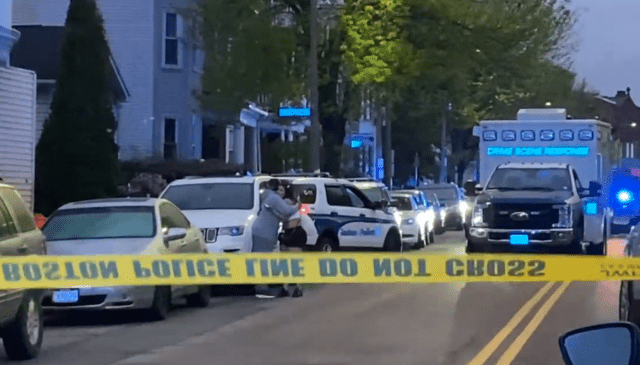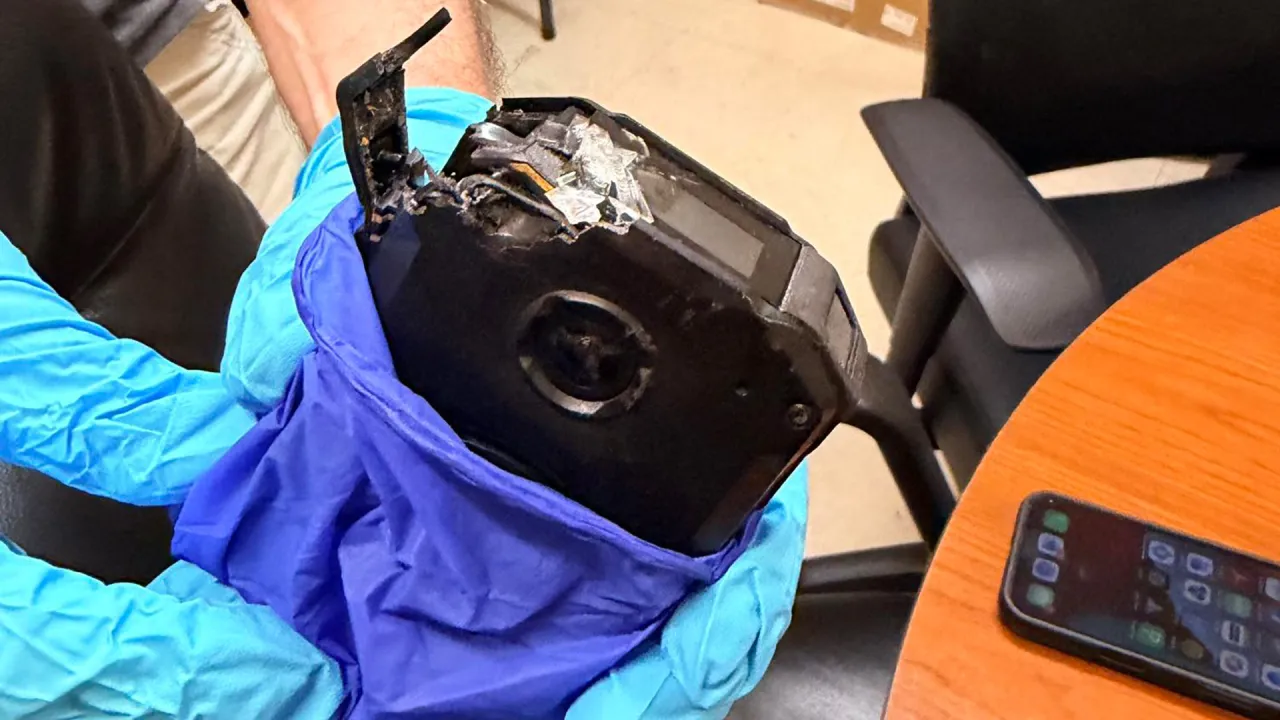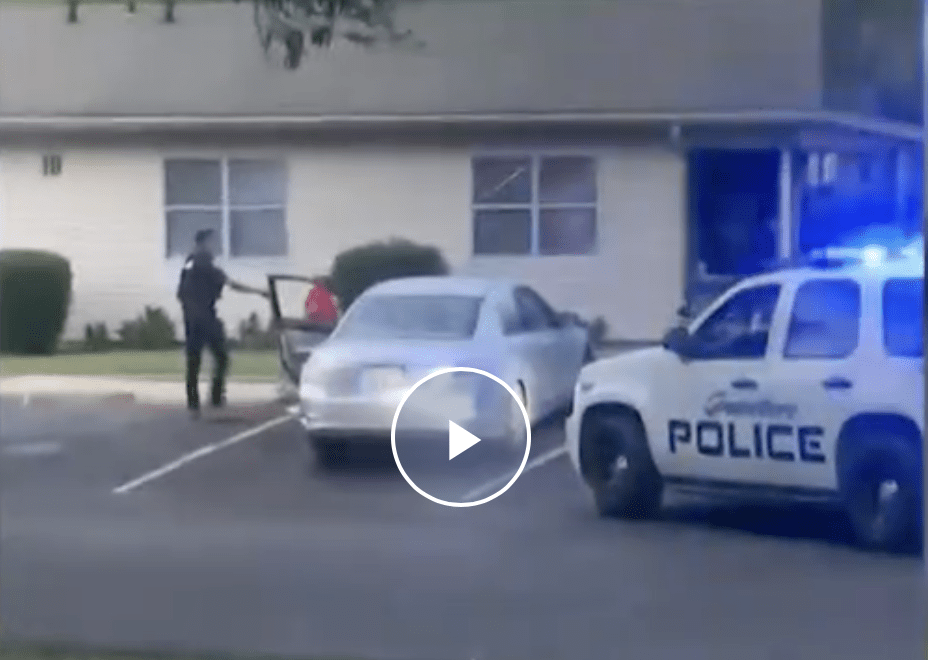
Greensboro, Alabama: A Greensboro Police Department officer was shot, and a 64-year-old man was killed after a traffic stop escalated into a deadly exchange of gunfire in Hale County. The officer, identified as Officer Miguel Edwards, was hospitalized in stable condition. The suspect, identified by state investigators as Robert Williams, 64, of Greensboro, died from his injuries at Hale County Hospital.
Authorities say the officer initiated a traffic stop when the driver produced a firearm and shot the officer.
Officer Edwards returned fire and struck the suspect.
Officer Edwards had been on the force only a couple of months at the time of the shooting. The Hale County Sheriff’s Office requested that ALEA’s State Bureau of Investigation take over the case, which officials described as standard procedure in officer-involved shootings to ensure an independent review.
Greensboro Mayor Ralph Howard said Officer Edwards is a “young officer” who has shown courage and dedication to the city. “He is an asset to our police department and to the City of Greensboro, and we stand with him during his recovery,” the mayor said.
The reason for the initial traffic stop has not been publicly released, and investigators have not indicated whether Williams had any prior criminal history. No additional details about the circumstances that may have preceded the shooting have been confirmed by officials.
The case has been turned over to the Hale County District Attorney’s Office pending the outcome of the ALEA investigation.
 Field Lessons are offered strictly as general, industry-standard reminders drawn from common safety practices and typical policy considerations. They are not based on any inside knowledge of this specific incident, do not presume what actions were taken, and should not be interpreted as commentary on the decisions made at the scene.
- Vehicle contacts demand a pre-stop mindset. Before reaching the driver’s window, officers should be processing available information: time of day, location, vehicle type, occupant behavior, and any known history on the plate. Threat assessment must begin early.
- Officers should approach and stand in a way that limits their exposure to the door, keeps their firearm side back, and maintains a distance that creates reaction time. The window line is not the safest place to conduct a contact.
- Hands are the threat. The driver’s hands should be visible and accounted for throughout the contact. Any movement toward concealed areas of the vehicle or clothing should trigger an immediate reassessment of threat level and officer positioning.
- Pre-attack cues exist even in vehicle contacts. Behavioral indicators such as avoidance of eye contact, exaggerated movement, unusual gripping of the steering wheel, or failure to comply with simple commands can signal that a contact is about to turn violent. Recognizing these cues early creates the margin for survival.
Dr. Travis Yates has pioneered a behavioral risk framework to help officers and leaders identify, assess, and articulate risk in rapidly evolving, uncertain situations. Find out more about the FOCUS Behavioral Risk Framework.