Statement of Record
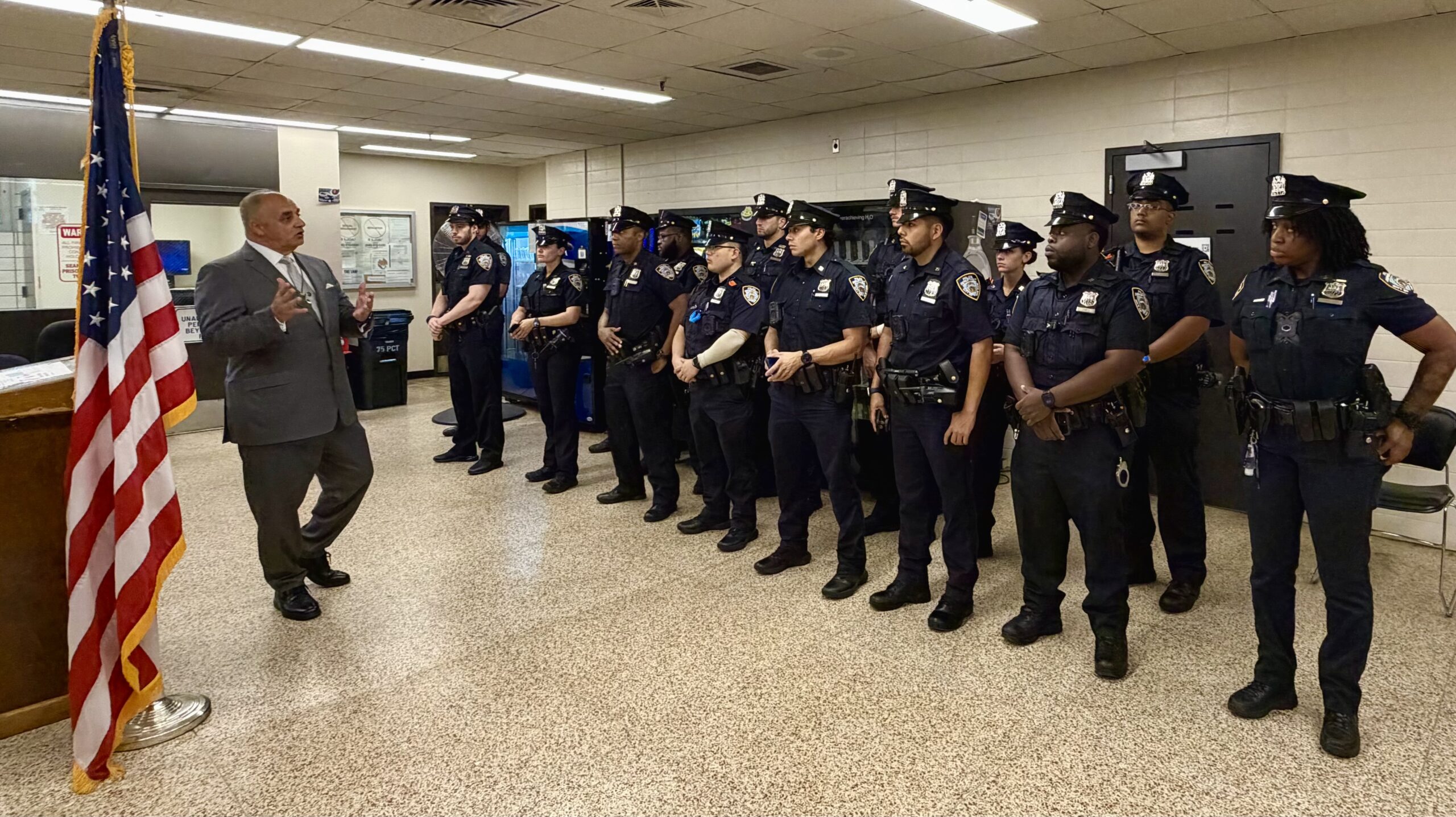
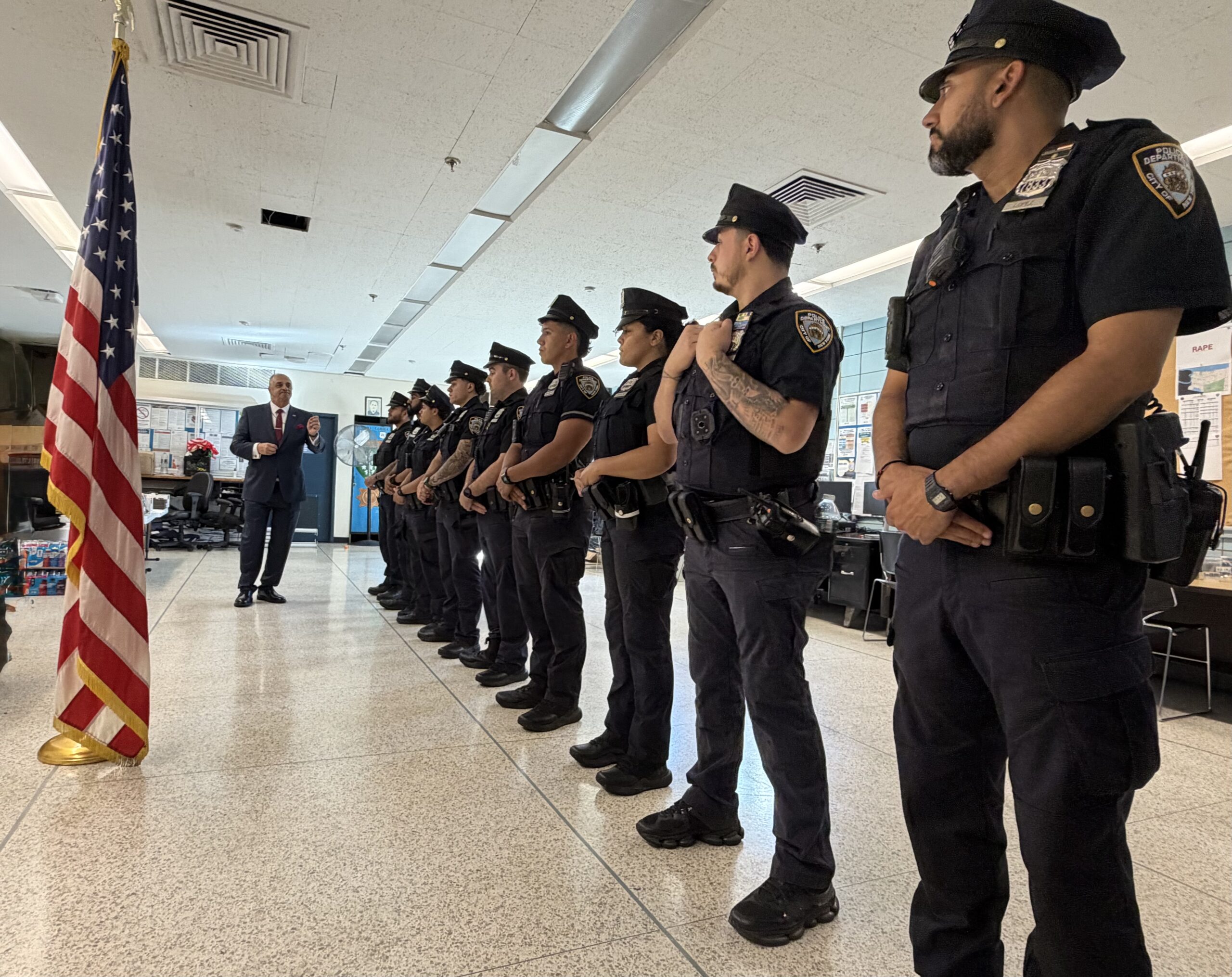
On July 23, 2026, I returned to the New York City Police Department’s 46th Precinct in the Bronx for what became nearly five hours of presentations and conversations with more than 125 members of the Department. What began as a single roll call expanded into four separate presentations involving newly graduated police officers, seasoned members of the Detective Squad, the Domestic Violence Unit, supervisors, and a second roll call before officers departed to serve one of New York City’s busiest and most demanding communities.
The afternoon was significant for another reason. Many of the officers filling the roll call room had graduated from the Police Academy only weeks earlier, bringing with them the enthusiasm, optimism, and sense of purpose that accompany the beginning of a law enforcement career. Standing beside them were veteran detectives and experienced supervisors whose years of service reflected the wisdom, professionalism, and resilience developed through countless investigations and encounters with the communities they faithfully protect. Together, they represented the continuity of the NYPD—one generation preparing to learn from another while sharing the common responsibility of safeguarding the people of the Bronx.
Although each presentation involved different assignments and responsibilities, every conversation ultimately returned to the same enduring truth. Character remains the foundation of ethical leadership in 21st-century policing.
Character: The Enduring Standard of Ethical Leadership
Character remains the enduring standard of ethical leadership in 21st-century policing. While laws establish authority and the badge symbolizes the sacred public trust bestowed upon every police officer, it is character that gives both their lasting legitimacy. Integrity guides judgment. Moral courage strengthens difficult decisions. Respectful human encounters transform the authority of the badge into the confidence of the community.
Throughout history, enduring institutions have been defined not by the absence of adversity, but by the character of those entrusted with leading them through it. The law enforcement profession is no exception. Every generation of police officers inherits more than a badge, a shield, and an oath. They inherit the profound responsibility to protect life, defend justice, and strengthen public trust through ethical leadership demonstrated not only during moments of extraordinary crisis, but through the countless ordinary encounters that define policing every day.
No technology, policy, or tactical innovation can replace the moral influence of character. It is the unseen foundation upon which ethical leadership is built, the compass that guides discretion, and the quiet strength that inspires officers to serve honorably regardless of circumstance.
Those timeless principles came vividly to life during my recent return to the New York City Police Department’s 46th Precinct in the Bronx.
A Return Built on Trust
Some invitations carry significance far beyond a date on the calendar. They represent confidence earned, relationships strengthened, and a shared commitment to investing in the people behind the profession.
My return to the NYPD’s 46th Precinct was one of those occasions.
Several weeks earlier, I had the privilege of addressing members of the command during my first visit to the precinct, an experience that later became the subject of a Law Officer feature recognizing the professionalism, resilience, and unwavering dedication of the men and women serving one of New York City’s busiest commands. As I prepared to leave that afternoon, Sergeant Warren Golden graciously encouraged me to return whenever my schedule permitted. His invitation reflected more than professional courtesy. It reflected a shared belief that investing in police officers is one of the most meaningful investments we can make in the future of our communities.
Throughout my career, I have learned that effective leaders recognize opportunities to strengthen those they serve. Sergeant Golden exemplified that principle. His encouragement to return reflected a leadership philosophy that values mentorship, professional development, and the importance of investing in people. Quiet acts of leadership often receive little public attention, yet they shape organizational culture, strengthen morale, and remind officers that they are valued not only for what they do, but for who they are. Those qualities continue to define the finest traditions of the New York City Police Department.
When I arrived on a warm July afternoon, the plan was straightforward—a single roll call presentation.
Providence had something much larger in mind.
What began as one presentation gradually unfolded into nearly five hours of conversations, encouragement, and professional engagement throughout the precinct. Following the first roll call, I was invited to meet with members of the Detective Squad. Soon afterward came an opportunity to speak with the Domestic Violence Unit, followed by a second roll call before officers departed for their evening assignments.
By the conclusion of the afternoon, more than 125 members of the Department—including newly assigned police officers, veteran detectives, supervisors, civilian professionals, and members of specialized investigative units—had participated in one or more of the presentations.
Although their responsibilities differed, every conversation was united by one enduring principle: character. It transcended rank, assignment, and years of experience, remaining the foundation of ethical leadership, public trust, and faithful service.
It remained the common thread connecting every discussion about leadership, public trust, professional excellence, and service to others.
The purpose of the afternoon was never simply to deliver presentations. It was to encourage those who daily shoulder extraordinary responsibilities, often without public recognition, while reminding them that ethical leadership begins long before critical incidents arise. It begins with the everyday choices that define professional identity—the decision to act with integrity, to lead with humility, to treat every individual with dignity, and to honor the extraordinary privilege of serving the public.
Looking across each room, I was reminded that every badge represents a human being entrusted with remarkable responsibility. Some officers had only recently graduated from the Police Academy. Others had spent years protecting one of America’s most dynamic and demanding boroughs. Yet beneath every uniform stood men and women united by a common purpose: serving others with honor.
That commitment begins not with authority.
It begins with character.
As this article was being prepared for publication, the 46th Precinct unveiled its new challenge coin honoring the command’s proud nickname, “The Alamo.” In law enforcement, challenge coins represent history, tradition, and the pride of belonging to something greater than oneself. Yet the true significance of this coin lies not in its craftsmanship, but in what it represents—the dignity, character, professionalism, and unwavering dedication of the men and women who faithfully serve the people of the Bronx.
Like every enduring symbol, its lasting value is measured not by the metal from which it is struck, but by the character, faithful service, and sacrifice of those it honors.
When Character Speaks Louder Than the Badge
For generations, the roll call room has served as the heartbeat of a police precinct. It is where officers receive assignments, exchange vital information, prepare for the challenges ahead, and begin another tour of duty in service to their communities. It is also where leadership has an opportunity to reinforce something even more enduring than operational readiness—the values that define the profession itself.

(Photo Credit: Vincent J. Bove / Reawakening America LLC. Challenge coin courtesy of the NYPD’s 46th Precinct. Composite created by Vincent J. Bove All rights reserved.)
As I looked across the room, I saw police officers representing every stage of a law enforcement career. Some had graduated from the Police Academy only weeks earlier. Their uniforms reflected the crisp confidence of new beginnings, while their expressions revealed enthusiasm, humility, and an unmistakable desire to make a positive difference in the lives of others. Seated beside them were experienced officers whose quiet professionalism had been shaped through years of answering difficult calls, making sound decisions under pressure, and faithfully serving the people of the Bronx.
Their careers differed.
Their responsibilities varied.
But the message was universal.
A police officer’s greatest strength is never found solely in rank, authority, specialized training, or equipment. Those are indispensable tools of the profession, but they are not its foundation. Character remains the source from which ethical leadership flows. It guides judgment when policies cannot anticipate every circumstance. It shapes discretion when wisdom matters more than force. It reminds officers that every person they encounter possesses inherent dignity deserving of respect.
During our conversation, I shared a thought that has guided my own understanding of ethical leadership throughout many years of public service.
“Your light shines brighter than the authority of your badge. That light is your character. Nothing can quench the light of character.”
For several moments, the room grew remarkably still.
Every police officer understands the significance of the badge. It represents authority granted by law, responsibility entrusted by society, and an oath to protect life while upholding justice. Yet authority alone cannot inspire confidence. Public trust is earned through the character of the individual wearing the badge—through integrity demonstrated in difficult decisions, compassion extended to those in crisis, humility shown during moments of success, and restraint exercised when emotions run high.
Character quietly reveals itself in countless ways. It is reflected in the officer who comforts grieving family members after tragedy, patiently reassures a frightened child, assists an elderly resident without hesitation, or respectfully de-escalates a tense encounter through professionalism and compassion. Rarely do these moments become headlines. Yet together they shape the public’s confidence in law enforcement more profoundly than statistics or press releases ever can.
I reminded the officers that every shift offers opportunities to strengthen public trust—one conversation, one decision, one respectful human encounter at a time. These seemingly ordinary moments become extraordinary because they leave lasting impressions upon the people officers have sworn to protect.
The badge confers authority.
Character gives that authority its legitimacy.
For the newest officers beginning their careers and the seasoned professionals continuing to lead by example, the calling remains unchanged: protect with courage, lead with integrity, serve with humility, and allow character—not circumstance—to define the legacy you leave behind.
The Next Generation Takes the Watch
One of the most encouraging aspects of my return to the 46th Precinct was the opportunity to meet so many police officers who had only recently graduated from the New York City Police Academy. Their careers were just beginning, yet their bearing, professionalism, and attentiveness reflected a clear understanding of the profound responsibility they had accepted.
The energy in the roll call room was unmistakable. Crisp uniforms, polished badges, and attentive expressions reflected more than the excitement of beginning a career. They revealed a genuine desire to serve. For many, this was among their first assignments in one of New York City’s busiest precincts, where every tour of duty presents demanding decisions and countless opportunities to make a meaningful difference in the lives of others.
Rather than simply speaking to the officers, I wanted to hear from them.
I asked a question that often reveals more about a person than any résumé, academy transcript, or personnel file ever could.
“Why did you become a police officer?”
The answers came thoughtfully and without hesitation.
One officer wanted to help people during the most difficult moments of their lives. Another spoke of a lifelong desire to protect others and contribute something meaningful to society. A third proudly shared that a parent had served as an NYPD detective, inspiring a commitment to continue a family tradition of public service.
Although each response was personal, they all reflected the same purpose: serving others. None spoke of authority, prestige, or recognition. They spoke instead of protecting lives, strengthening communities, and making a positive difference wherever they served.
Listening to those officers reminded me that every generation renews the profession. Experience teaches judgment, while idealism provides purpose. Together, they ensure that policing’s highest traditions are faithfully passed from one generation to the next.
I encouraged them never to lose sight of the reasons that first inspired them to answer the call. The profession will test every officer. Difficult calls, long hours, public criticism, and personal sacrifice can challenge even the strongest resolve. Yet the purpose that first led them to the badge must remain the foundation upon which their careers are built.
I reminded them that the overwhelming majority of their careers will not be defined by extraordinary emergencies, but by ordinary human encounters. A frightened child needing reassurance. A senior citizen seeking assistance. A victim searching for hope. A young person looking for guidance. A family experiencing its most difficult day. These moments rarely attract public attention, yet they often leave the deepest and most enduring impressions upon the people officers are sworn to protect.
Every encounter presents a choice. Officers can simply enforce the law, or they can enforce it while demonstrating professionalism, compassion, patience, and respect. The law establishes responsibility; character determines how that responsibility is exercised.
Families throughout the Bronx depend upon these officers every day, often without ever knowing their names. Children walking to school, senior citizens living alone, single parents working multiple jobs, neighborhood business owners, and families simply seeking safe communities all benefit from the vigilance, professionalism, and quiet dedication of the men and women who wear the NYPD uniform.
Most citizens will never fully appreciate the complexity of a police officer’s work or the countless decisions made during a single tour of duty. What they will remember is how they were treated. They will remember whether an officer listened patiently, spoke respectfully, exercised compassion, and demonstrated fairness. Those seemingly ordinary moments often become the foundation upon which public trust is strengthened.
That is why respectful human encounters remain among the most powerful expressions of ethical leadership. While acts of extraordinary courage rightly capture public attention, it is the thousands of everyday interactions between police officers and the communities they serve that quietly shape confidence in law enforcement. Every conversation and every decision becomes another opportunity to demonstrate integrity, reinforce human dignity, and prove that justice and compassion are never opposing ideals.
For the newest members of the New York City Police Department, the future of policing has already begun. Their careers will undoubtedly present challenges they cannot yet imagine. Yet if they remain grounded in integrity, guided by moral courage, and committed to treating every person with dignity and respect, they will discover that the greatest measure of success is found not in rank or recognition, but in the trust they earn through a lifetime of faithful service.
As I concluded our conversation, I left them with one final thought:
The authority of your badge may open the door to public service.
But it is the light of your character that people will remember long after the encounter has ended.
Where the Greatest Detectives Listen
One of the unexpected blessings of the afternoon occurred after the first roll call had concluded. As officers departed to begin their assignments, several detectives approached me and asked if I would have an opportunity to visit the Detective Squad before leaving the precinct. It was an invitation I accepted with genuine appreciation.
Walking upstairs into the Detective Squad, I was reminded that investigations represent a unique dimension of policing. Patrol officers are often the first to respond when tragedy strikes, but detectives assume the demanding responsibility of uncovering the truth, seeking justice for victims, and following the evidence wherever it leads. Their work requires not only investigative skill, but also patience, perseverance, sound judgment, and unwavering integrity.
The timing of the visit proved remarkable. Detectives from two shifts were present, allowing approximately twenty investigators to gather for an informal discussion. Although their caseloads, assignments, and years of experience varied, they shared a common commitment to serving victims and protecting the people of the Bronx.

(Photo Credit: © 2026 Vincent J. Bove / Reawakening America LLC. All rights reserved.)
As I looked around the room, I expressed my sincere gratitude for the work they perform, much of which takes place far from public view. Successful investigations are rarely measured by headlines or public recognition. They are measured by grieving families who receive answers, victims who obtain justice, offenders who are held accountable, and safer communities because dedicated detectives refuse to abandon the pursuit of truth.
I told them something I sincerely believe.
“You are among the greatest detectives in the world.”
That statement was not based upon television portrayals or popular perceptions of detective work. It was rooted in the reality that these investigators confront violence, loss, exploitation, and human suffering every day while remaining steadfastly committed to justice, professionalism, and the rule of law. Their work demands intellectual discipline, emotional resilience, and an unwavering commitment to pursuing the truth wherever the evidence leads.
Our conversation soon returned to the same principle that had guided the earlier roll call presentations.
Character.
Investigative skill can solve cases. Experience can sharpen judgment. Training can strengthen professional competence. Yet character remains the foundation upon which every ethical investigation depends. Public confidence is sustained not simply because crimes are solved, but because they are investigated honestly, impartially, and with unwavering respect for the dignity and rights of every person involved.
For detectives, respectful human encounters often occur during life’s most painful moments. They sit with families whose loved ones have been taken from them. They interview victims struggling to describe traumatic experiences. They speak with frightened witnesses, comfort grieving parents, and help people navigate circumstances they never imagined they would face. Those conversations require more than investigative expertise. They require compassion, patience, humility, and the ability to communicate hope even in the midst of tragedy.
Before leaving the squad room, I thanked the detectives once again for their quiet professionalism and steadfast dedication. Their work rarely attracts public attention unless something goes wrong. Yet every day they faithfully carry forward one of policing’s most demanding responsibilities, demonstrating that justice is never simply the product of evidence and procedure. It is also the product of character, integrity, and an unwavering commitment to serving others.
Protecting the Most Vulnerable
One of the afternoon’s most meaningful opportunities came when I was invited to meet with members of the 46th Precinct’s Domestic Violence Unit. Their work reminds us that some of policing’s most important responsibilities are carried out far from public view, serving individuals and families whose lives have been shattered by fear, abuse, and uncertainty.
As I spoke with the detectives and investigators, I reflected on the profound trust victims place in the officers who respond during some of the most difficult moments of their lives. Long after an investigation has concluded, many victims remember something even more personal. They remember whether someone listened patiently, treated them with dignity, and reassured them that they would not face their circumstances alone.
Those encounters are among policing’s quietest acts of service. They seldom receive public recognition, yet they require extraordinary professionalism, compassion, emotional resilience, and unwavering integrity. Every conversation becomes an opportunity not only to uphold the law, but to restore hope to someone whose world has been shaken by violence.
Before departing, I presented each member of the Domestic Violence Unit with one of my Liberation Monument cards as a small expression of appreciation for their extraordinary service. It was my way of recognizing the compassion, professionalism, and emotional resilience required of those who accompany victims during some of the most difficult moments of their lives.
Before leaving the unit, I expressed my sincere appreciation for their unwavering commitment to protecting the most vulnerable members of the Bronx community. Their work serves as a powerful reminder that while justice remains the objective, compassion often becomes the bridge that allows victims to begin moving forward. Few assignments demonstrate more clearly that ethical leadership is measured not only by enforcing the law, but by the humanity with which it is carried out.
A Legacy That Still Stands Watch
Every police precinct possesses a history that extends far beyond its walls. It is carried forward through the lives of the men and women who have worn the uniform with honor, fulfilled their oath with courage, and, in some instances, made the ultimate sacrifice in service to others.
The 46th Precinct carries that legacy in the memory of Detective Miosotis P. Familia, who made the ultimate sacrifice in the line of duty on July 5, 2017. Her life of service remains an enduring reminder that policing is far more than a profession. It is a vocation built upon sacrifice, compassion, and an unwavering commitment to protecting others, even at great personal risk.
As I reflected upon her legacy, I found myself thinking about the officers and detectives I had met throughout the afternoon. Only hours earlier, I had spoken with newly graduated police officers beginning careers filled with hope and promise. I had listened to seasoned detectives reaffirm their unwavering commitment to justice. I had met dedicated members of the Domestic Violence Unit whose daily work brings compassion and reassurance to victims during life’s most difficult moments.
Although their assignments differ, they are united by the same oath that Detective Familia faithfully lived. Every tour of duty presents another opportunity to honor that oath—not only through courage in moments of danger, but through integrity, humility, professionalism, and respectful human encounters that strengthen the bond between the police and the communities they serve.
The greatest tribute to Detective Familia is found not only in memorials, portraits, or moments of remembrance. It is found in every officer who patiently listens to a victim, reassures a frightened child, assists a senior citizen, comforts a grieving family, mentors a young police officer, or quietly performs an act of kindness that no newspaper will ever report.
Those are the moments that define the profession.
Those are the moments that preserve a legacy.
Long after ceremonies have concluded and names have been engraved upon memorials, faithful service continues the watch. Every act of integrity, every demonstration of moral courage, and every respectful human encounter becomes a living tribute to those who gave everything in the service of others.
In that sense, Detective Miosotis P. Familia still stands watch— not only through the example of her faithful service, but through every officer who answers the call to protect with honor, serve with compassion, and lead with character
The Light That Endures
As I departed the 46th Precinct that evening, I reflected not only on the conversations we had shared, but on the remarkable men and women I had the privilege to meet throughout the afternoon. Newly graduated police officers beginning their careers with enthusiasm and purpose. Veteran detectives quietly pursuing justice on behalf of victims. Members of the Domestic Violence Unit bringing compassion and hope to those experiencing some of life’s darkest moments. Supervisors investing in the next generation of leaders. Together, they represented the very best of the New York City Police Department and the enduring values that have long defined the profession.
Policing has never been an easy calling. Every generation faces its own challenges, its own uncertainties, and its own moments of testing. Yet one truth remains constant. The strength of a police department is not measured solely by its equipment, technology, policies, or organizational structure. It is measured by the character of the men and women entrusted with serving others.
Public trust is not built during a single event or sustained through policy alone. It is strengthened every day through thousands of respectful human encounters that rarely make headlines but profoundly shape how communities view those who wear the badge. A patient conversation. A compassionate response to someone in crisis. A moment of understanding. A quiet act of kindness. These are the encounters that transform authority into legitimacy and demonstrate that ethical leadership is lived one person, one family, and one community at a time.
Throughout my visit, I returned repeatedly to one simple message.
“Your light shines brighter than the authority of your badge. That light is your character. Nothing can quench the light of character.”
I believe that with all my heart.
The badge is a symbol of lawful authority, but character gives that authority its moral purpose. It shapes every decision, guides every encounter, and becomes the legacy officers leave long after their careers have ended. Rank may change. Assignments will come and go. Commendations will eventually be placed in files. Yet character remains the one quality that continues to influence lives long after the final tour of duty.
As I left the precinct, I was filled with confidence about the future. The young officers beginning their service, the experienced detectives mentoring through example, the dedicated professionals serving the most vulnerable, and the enduring legacy of Detective Miosotis P. Familia all pointed to the same truth: ethical leadership is not inherited. It is earned every day through integrity, moral courage, humility, and faithful service to others.
The men and women of the NYPD’s 46th Precinct understand that responsibility. Every day they step into one of America’s most demanding communities with a shared commitment to protecting life, preserving peace, and strengthening public trust. Their assignments may differ. Their experiences may vary. But they remain united by a calling greater than themselves—a calling rooted in character.
For in the end, badges confer authority.
Character gives that authority legitimacy.
And it is through integrity, moral courage, and respectful human encounters that the enduring light of ethical leadership continues to illuminate the path for every generation privileged to wear the uniform.
Selected Law Officer Articles by Vincent J. Bove
The Vigilant Protector™: The Fire of Character in the Hearts of NYPD’s Newest Bronx Officers
An inspiring look at the newest generation of NYPD officers serving in the Bronx, exploring how character, moral courage, and servant leadership become the enduring fire that strengthens public trust from the very beginning of a police career.
https://www.lawofficer.com/newest-bronx-officers/
The Pillars of 21st-Century Policing™: The Bedrock of Trust
Discover the timeless principles that sustain ethical leadership in policing and examine why integrity, accountability, and public trust remain the indispensable foundation of the profession.
https://www.lawofficer.com/the-pillars-of-21st-century-policing/
America at a Crossroads: Restoring Integrity Through Law Enforcement Leadership
An examination of the leadership challenges confronting modern policing and a compelling call to restore public confidence through ethical leadership, moral courage, and unwavering integrity.
https://www.lawofficer.com/america-at-a-crossroads
Complete Vincent J. Bove Collection in Law Officer
Explore Vincent J. Bove’s complete archive of published articles featuring ethical leadership, organizational resilience, officer wellness, public trust, school safety, character formation, and the future of 21st-century policing.
https://www.lawofficer.com/author/vbove/