A Leadership Framework from the Writings of Vincent J. Bove for Law Officer
Part V of VI — The American Standard
Presented during the commemoration year of the 250th anniversary of American independence (1776–2026).
Statement of Record
The turbulence of the Civil Rights era, the Vietnam generation, urban unrest, institutional distrust, and the struggle for constitutional legitimacy reshaped modern America and permanently influenced the profession of policing. For many Americans who lived through those decades, these events were not distant historical abstractions, but deeply personal experiences that affected neighborhoods, families, communities, veterans, public servants, and the national conscience itself.
The lessons of that era revealed that legitimate authority cannot be sustained through power alone, but through ethical leadership, discipline, fairness, professionalism, moral courage, and public trust. For the 21st-century protector, these principles remain enduring responsibilities carried by those entrusted with safeguarding a free society under conditions of uncertainty, scrutiny, division, danger, and profound human consequence.
When Legitimacy Stands Under Public Scrutiny
Modern policing increasingly operates under intense public visibility, instantaneous media exposure, and heightened public expectations. Questions of public trust, constitutional authority, fairness, professionalism, and accountability now shape national conversations about the profession in ways previous generations could scarcely have imagined.
Yet many of the deeper challenges confronting modern policing are not entirely new. They reflect enduring struggles over legitimacy, institutional trust, leadership, and public confidence that intensified during one of the most turbulent periods in modern American history.
A Nation Shaken by Division, Violence, and the Loss of Trust
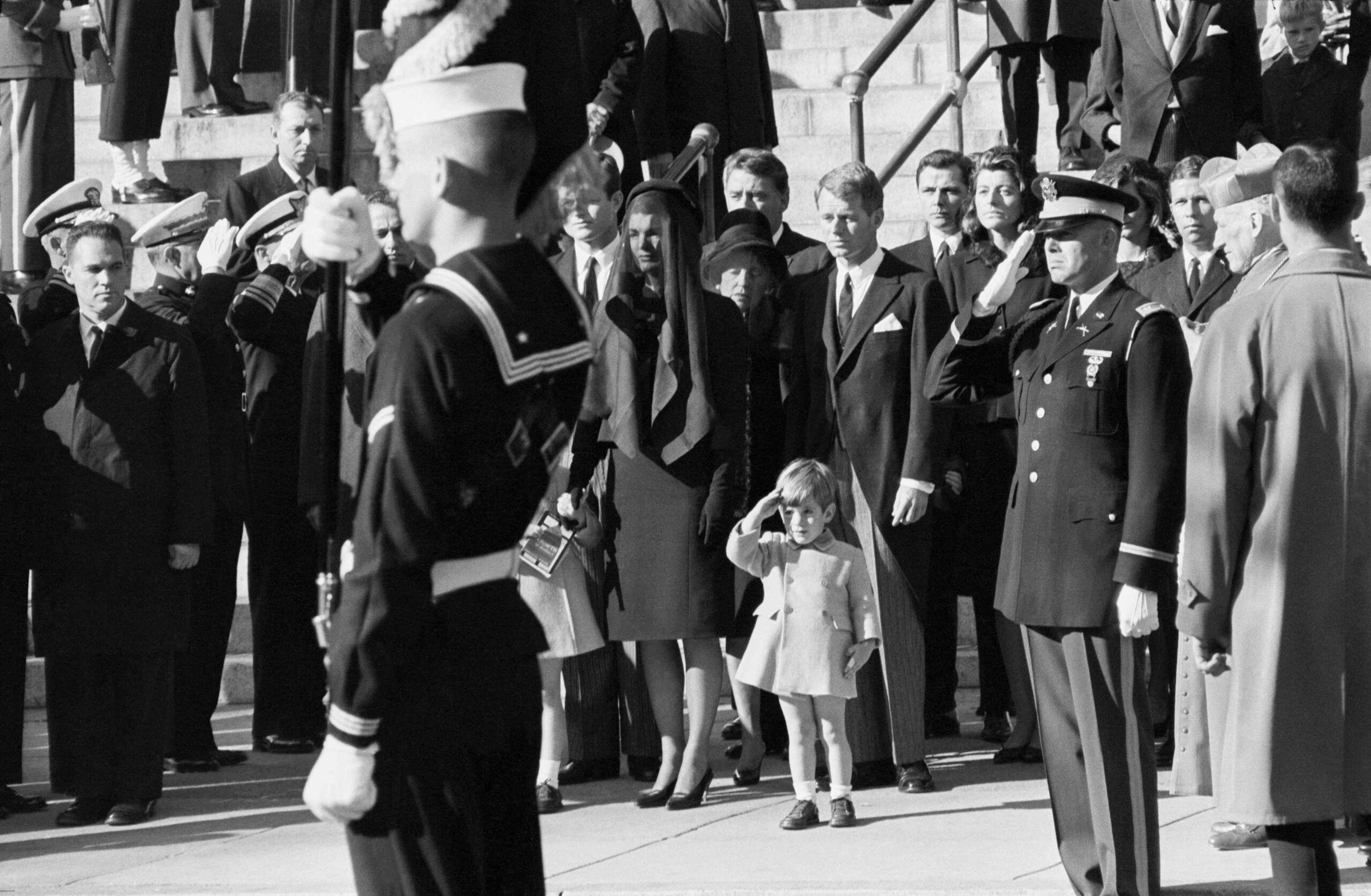
The United States entered the 1960s with extraordinary promise while moving toward one of the most turbulent periods in modern American history. The assassinations of President John F. Kennedy, Dr. Martin Luther King Jr., and Senator Robert F. Kennedy shook the nation’s confidence and intensified an atmosphere of uncertainty, anger, and distrust. Television brought scenes of war, protest, civil unrest, and political violence directly into American homes with unprecedented immediacy. Public faith in institutions weakened as the nation struggled with racial tension, rising crime, cultural upheaval, and profound disagreement over America’s future direction.
The social transformation of the era extended beyond politics. The music of The Beatles, The Rolling Stones, and the broader British Invasion reflected a rapidly changing culture and generational identity. Traditional assumptions about authority, patriotism, government, and social order were increasingly questioned, particularly by younger Americans confronting war, protest, and rapid cultural change simultaneously.
For those growing up in New York City during that period, national division rarely felt distant. The unrest that erupted in nearby Newark, New Jersey, the riots in places such as Watts, and rising crime in many urban neighborhoods reinforced the reality that America was experiencing profound internal strain. As a young person growing up in the Bronx, I remember hearing reports of police officers killed in the line of duty, communities living with fear, and neighborhoods struggling under the pressures of violence, instability, and distrust.
Yet amid those tensions, law enforcement officers were still expected to preserve order, protect constitutional rights, and maintain public confidence during one of the most emotionally divided periods in modern American life. The challenge extended far beyond enforcement authority alone. Increasingly, legitimacy itself became part of the burden carried by the profession.
President John F. Kennedy once observed, “Civility is not a sign of weakness.” That principle remains deeply relevant to modern policing. During periods of public anger, protest, criticism, and uncertainty, discipline, professionalism, fairness, and constitutional consistency often become the true measures of legitimate authority.
The Civil Rights Movement and America’s Constitutional Reckoning
The Civil Rights Movement represented one of the most consequential constitutional and moral struggles in modern American history. Events such as the Montgomery bus boycott inspired by Rosa Parks, the lunch counter sit-ins, the Freedom Rides, the Selma marches, and the leadership of Dr. Martin Luther King Jr. and John Lewis became enduring examples of disciplined courage, constitutional advocacy, and the power of peaceful civic action, forcing the nation to confront the contradiction between its founding principles and the unequal realities experienced by many citizens.
The struggle also involved ordinary citizens who accepted extraordinary personal risk in support of constitutional ideals. Among them was civil rights activist Viola Liuzzo, who traveled from Detroit to Alabama in 1965 to support the Selma to Montgomery voting rights march and was murdered by members of the Ku Klux Klan while assisting fellow participants. Her sacrifice remains an enduring reminder that moral courage and public service are not limited by profession, title, or position.

Credit: National Archives and Records Administration, courtesy of the U.S. Department of Justice, Public Domain.
For many Americans of my generation, the civil rights struggle was not an abstract movement unfolding somewhere far away. Its tensions, challenges, and moral questions were visible in everyday American life, including within and around my own hometown.
As a child of the Bronx, I always considered it home. I attended schools there from kindergarten through college, rode my bicycle to Yankee Stadium, and played Little League, stickball, punchball, and tag throughout neighborhood streets with children from many different backgrounds and communities.
Watching parts of the Bronx burn during my late teenage years and early adulthood was heartbreaking to witness. Long drives along the Cross Bronx Expressway to and from the George Washington Bridge often revealed entire sections of devastation that resembled a war zone. For many New Yorkers, the urban crisis of that era was not an abstract national story. It was visible directly outside their windows and in their neighborhoods.
As a young boy traveling with my family from the Bronx to Florida on vacation, I still remember seeing segregated water fountains and restrooms marked by race along the route. For many Americans today, such images belong to history books. At the time, however, they reflected the lived reality of a divided nation struggling to reconcile constitutional ideals with daily life.
As a high school student, I also remember public concern, racial tension, and the atmosphere of unrest affecting communities and public life in many areas. The turbulence of the period felt deeply unsettling and heartbreaking for countless Americans trying to understand a rapidly changing nation.
The passage of the Civil Rights Act of 1964 marked a defining moment in American history, but social tensions did not disappear overnight. The unrest that followed in places such as Newark and Watts reflected deeper frustrations involving race, poverty, inequality, crime, distrust of institutions, and questions surrounding justice and legitimacy.
Among the most enduring images of the Civil Rights Movement was six-year-old Ruby Bridges, escorted by U.S. Marshals into William Frantz Elementary School following federal court-ordered desegregation in 1960. Her quiet determination, together with the professionalism of the U.S. Marshals assigned to protect her, remains a powerful reminder that the highest calling of law enforcement is the faithful protection of constitutional rights, human dignity, and equal justice under law.
As the struggle for civil rights reshaped the nation’s moral and constitutional landscape, the Vietnam War intensified public division and institutional distrust even further. Together, these forces transformed American society and placed extraordinary pressure upon public institutions, including law enforcement. Questions involving legitimacy, fairness, public trust, violence, and constitutional authority increasingly moved from abstract debate into the realities of daily American life.
Law enforcement officers operating during that era often found themselves at the center of deeply emotional constitutional conflicts. The challenge extended far beyond preserving order alone. Officers were increasingly expected to demonstrate professionalism, fairness, discipline, and respect for constitutional rights while operating amid public anger, political tension, and rapidly changing social expectations.
Dr. Martin Luther King Jr. once observed, “The time is always right to do what is right.” That principle remains as relevant today as ever for the modern protector entrusted with exercising lawful authority while preserving public trust and human dignity under pressure.
Vietnam, Selective Service, and a Generation Living Under Uncertainty
As the Civil Rights Movement reshaped America’s constitutional and moral landscape, the Vietnam War deepened national division and intensified distrust toward public institutions. For millions of young Americans, the conflict was not a distant geopolitical event, but a deeply personal reality shaped by uncertainty, sacrifice, protest, and obligation.
Like many young Americans of my generation, I remember the Selective Service lottery numbers being announced during the Vietnam era. My birthday fell within the first fifty numbers selected, carrying the very real possibility that military service could follow if the war continued at its previous pace. Although American involvement in Vietnam was gradually winding down and draft activity diminished shortly thereafter, the atmosphere of uncertainty and civic responsibility left a lasting impression upon many young men of that generation.

Just young enough to narrowly avoid being called into military service during the Vietnam era, many older family members, friends, and others from the neighborhood were not. Some returned carrying not only the physical scars of war, but deep emotional heartbreak that would remain with them long afterward. Those experiences profoundly influenced a lifelong dedication to resiliency, emotional fortitude, and helping others recover from trauma and adversity.
Stories of members of the community who made the ultimate sacrifice during the war also left a lasting impression, reminders of the enduring human cost of conflict and its impact not only upon a nation, but upon neighborhoods, families, and entire generations. For many communities across America, the names etched upon local memorials became solemn reminders that the cost of war was measured not only in history books, but in empty chairs at family tables and lives forever changed.
At the same time, the nation struggled with difficult moral and social questions surrounding the war itself. Many Americans questioned the purpose and direction of the conflict, while others focused on the disproportionate number of Black Americans serving and dying in combat. Returning veterans often encountered a divided public atmosphere that complicated the nation’s ability to separate disagreement over policy from respect for military service and sacrifice.
Many veterans returned home after fulfilling what they believed was their duty to serve the nation, only to encounter public hostility, social alienation, or contempt connected to the war and the uniforms they wore. For countless veterans and families, the emotional wounds of the Vietnam era extended far beyond the battlefield itself.
The war also intensified broader national conversations involving fairness, class disparity, race, sacrifice, and social inequality. During portions of the conflict, Black Americans were represented in combat roles and casualty statistics at disproportionately high levels, deepening concerns within many communities already struggling with questions involving civil rights, equality, and constitutional legitimacy. Many Americans also believed that educational deferments, medical exemptions, personal connections, and economic privilege sometimes allowed individuals with greater advantages to avoid military service, while working-class families and minority communities often carried a disproportionate share of the human cost of war.
The Vietnam generation carried emotional burdens that extended far beyond the battlefield. Families, communities, veterans, and public institutions all experienced the lasting consequences of prolonged national division. The war reshaped public confidence in government, intensified skepticism toward authority, and contributed to a broader atmosphere of institutional distrust that would continue influencing American society for decades.
Throughout decades of published writings, presentations, and leadership initiatives honoring both military veterans and members of law enforcement, one conviction has remained constant: despite the controversies, divisions, and hardships surrounding different periods of American history, the ideals of sacrifice, service, selflessness, and dedication to the nation must always be honored.
Since childhood, the American flag proudly displayed outside my family home in the Bronx represented far more than symbolism alone. It reflected gratitude for those willing to serve, sacrifice, and protect others. Decades later, the American flag still flies wherever I have lived, including outside my home in New Jersey as this article is being written.
Growing up in the Bronx during those years, the realities of violence and instability never felt entirely distant. Reports of police officers killed in the line of duty, neighborhoods struggling with rising crime, and communities living under social strain reinforced the sense that America itself was undergoing profound internal pressure. In many ways, the challenges confronting law enforcement during that era continue to echo within modern society. Everything old eventually becomes new again.
In 1975, while attending John Jay College of Criminal Justice, I was on a clear path toward the New York City Police Department, having successfully completed both the written and physical examinations. It was not a theoretical path. It was unfolding during one of the most volatile periods in modern American history.
Like many young men entering public service during that era, I understood that policing required courage and discipline. Over time, however, I would also come to understand that legitimate authority ultimately carries profound moral responsibility.
The Vietnam era further demonstrated how quickly institutional trust can erode during periods of prolonged national division. For policing professionals, the lesson remains highly relevant in the 21st century: public confidence is difficult to build and easy to lose. Legitimate authority ultimately depends upon conduct that consistently reflects integrity, professionalism, fairness, and ethical discipline.
Harlem, Fallen Officers, and the Enduring Weight of Service
The lessons of that era remained with me long after childhood. Witnessing segregation, racial tension, urban unrest, violence against police officers, and the broader struggle for equal dignity under law profoundly influenced my understanding of leadership, service, and moral responsibility.
In the summer of 1982, I first returned to Harlem to work with the youth of the community through a faith-based program at Saint Thomas the Apostle Church on 116th Street. Working with young people in the community left a lasting impression upon me and reinforced the importance of dignity, mentorship, compassion, and hope during difficult times. The relationships and experiences from those years remain among the most meaningful memories of my life.
Those experiences were later deepened through missionary work assisting disadvantaged youth in the Bahamas during the summers of 1983 and 1984. The opportunity to work with young people facing hardship reinforced a lifelong belief that leadership ultimately requires fairness, discipline, compassion, and unwavering respect for human dignity.
During my final year of high school in 1971, the ambush murders of NYPD Patrolmen Joseph Piagentini and Waverly Jones profoundly affected many of us preparing to enter adulthood. More than five decades later, my relationship with Harlem came full circle when I returned under very different circumstances.
I was invited to conduct an ethical leadership and emotional fortitude initiative for members of the New York City Police Department’s 32nd Precinct.
Standing before the precinct’s memorial wall honoring fallen officers became profoundly personal. More than five decades had passed since that tragedy. Now, their photographs stood before me inside the very command where they had served. Outside the precinct, memorial plaques and trees continue to honor their sacrifice. At that moment, history no longer felt like something I had once read in the newspapers. It became a living reminder that although generations pass, the profession never forgets its fallen.
Only blocks away from where I had once worked with young people decades earlier, sacrifice, public trust, courage, and moral responsibility no longer felt merely historical. They felt deeply human.
Viewing the photographs and names of officers who sacrificed their lives protecting the same community where I had once served young people through a faith-based ministry reinforced my lifelong understanding that policing and public safety are ultimately human professions. Behind every policy debate, protest movement, memorial wall, or public controversy are communities, families, officers, victims, and citizens whose lives are directly affected by the presence or absence of ethical leadership.
The names etched upon memorial walls are not abstractions. They are enduring reminders that courage, professionalism, sacrifice, and moral accountability carry real human consequences within the noble profession of protecting others.
At the heart of it all remained a deeply personal encounter with American history itself—an experience that profoundly influenced my understanding of service, sacrifice, resiliency, ethical leadership, and the enduring human dimension of public trust.
Ethical Leadership, Moral Courage, and the Discipline of the Protector
The turbulence of the Civil Rights era, Vietnam, urban unrest, and institutional distrust revealed enduring truths about the relationship between legitimacy, public trust, and moral leadership. The era demonstrated that lawful authority alone is insufficient to sustain confidence in public institutions. Legitimacy ultimately rests upon character.
For the 21st-century protector, ethical leadership is neither optional nor situational. It is the moral authority of the profession itself. The ethical lessons explored throughout these months of writings for Law Officer are not academic soundbites or abstract leadership theories. They are disciplines to be lived daily by those entrusted with safeguarding others under conditions of uncertainty, scrutiny, danger, and division.
The ethical officer recognizes that the moral authority of the profession rests upon character. While corruption, prejudice, incompetence, and abuses of power may temporarily damage public trust, disciplined and principled leadership endures. The protector who remains ethically grounded under pressure carries not only professional responsibility, but the lasting weight of moral accountability.
Ethics is the heart, soul, and moral compass of the profession. It must never be minimized. It must be mastered in body, mind, and spirit.
In modern policing, public trust is strengthened not only through lawful enforcement, but through visible integrity, professionalism, fairness, emotional discipline, constitutional fidelity, and the daily demonstration of character under pressure.
The profession demands far more than tactical competence alone. The 21st-century protector must possess emotional discipline, moral courage, constitutional fidelity, professionalism, and the ability to maintain ethical clarity amid criticism, political tension, danger, uncertainty, and rapidly changing social conditions.
History ultimately remembers not those who exercised power alone, but those who exercised it with integrity. Even during seasons of criticism, sacrifice, or personal challenge, ethical leadership ultimately earns the enduring laurels of moral victory.
Public Trust, Constitutional Responsibility, and the Moral Authority of the Profession
The American experience of the 1960s and 1970s demonstrated that the strength of constitutional democracy depends not only upon laws and institutions, but upon the character of those entrusted to serve within them. The turbulence of the Civil Rights era, the Vietnam generation, urban unrest, institutional distrust, and the struggle for legitimacy revealed enduring lessons that remain critically important for modern policing and public safety leadership.
Law enforcement officers operating during periods of national division often carry responsibilities extending far beyond enforcement authority alone. They are expected to preserve public safety while simultaneously demonstrating professionalism, fairness, emotional discipline, constitutional consistency, and sound judgment under extraordinary pressure. In many respects, policing becomes the visible intersection of governmental authority, individual liberty, and public trust.
The lessons of that era continue to echo throughout the 21st century. Public confidence remains difficult to build and easy to lose. Communities increasingly expect transparency, professionalism, accountability, and ethical conduct from those entrusted with lawful authority.
The modern protector therefore carries not only operational responsibilities, but also the enduring obligation to preserve legitimacy through disciplined, principled, and ethical conduct.
The ethical officer understands that every professional encounter strengthens or weakens public trust. Legitimacy is not sustained through authority, visibility, or policy statements alone. It is earned daily through professionalism, integrity, fairness, emotional maturity, constitutional fidelity, and visible respect for the dignity of every person.
The protector who remains ethically grounded under pressure strengthens not only the profession itself, but also the constitutional principles the profession exists to defend. That responsibility becomes especially important during periods of public criticism, social tension, political division, and uncertainty, when discipline, restraint, and moral clarity matter most.
Ultimately, the defining lesson of this era remains enduringly relevant: lawful authority without ethical leadership inevitably weakens legitimacy, while disciplined professionalism rooted in character strengthens public trust, reinforces constitutional government, and honors the enduring promise of American democracy.
Entering a New Century of Terrorism, Technology, and Unprecedented Complexity
The unresolved tensions of the 1960s and 1970s did not disappear with the passing of time. Many simply evolved into new forms.
Questions involving legitimacy, public trust, violence, institutional accountability, race, public safety, constitutional authority, and the role of law enforcement continued shaping American society for decades to follow. What changed were the speed, visibility, and complexity of those pressures.
By the closing years of the twentieth century and the beginning of the twenty-first, policing entered an entirely new operational environment. The rise of global terrorism, continuous media coverage, the Internet, social media, and instantaneous public scrutiny transformed how law enforcement actions were observed, analyzed, criticized, and remembered. Events that once unfolded locally could now shape national perception within moments.
At the same time, law enforcement officers and public safety professionals confronted evolving challenges involving targeted violence, threats to schools and public spaces, workplace attacks, mass-casualty incidents, critical infrastructure protection, cyber threats, and the growing complexity of safeguarding American communities in an increasingly interconnected world.
The tragedies at Columbine High School, Virginia Tech, Sandy Hook Elementary School, Marjory Stoneman Douglas High School in Parkland, and Robb Elementary School became painful reminders that violence affecting American youth, schools, and communities had entered a deeply troubling new era.
These events, together with terrorism, cyber threats, workplace violence, global instability, and continuous digital scrutiny, transformed the responsibilities of twenty-first-century policing and public safety leadership. The mission of safeguarding American communities became more complex, more visible, and emotionally demanding than ever before.
Yet despite these profound changes, the fundamental principles of ethical leadership remained remarkably consistent.
The ethical officer understands that legitimate authority is rooted in character. While corruption, moral bankruptcy, prejudice, incompetence, and abuses of power may temporarily weaken public trust, disciplined and principled leadership endures. The protector who remains ethically grounded under pressure carries not only professional responsibility, but also the enduring burden of moral accountability.
As America entered the twenty-first century, the responsibilities carried by protectors expanded into dimensions previous generations could scarcely have imagined. Yet the central truth remained unchanged: the moral authority of the profession ultimately rests upon discipline, ethical leadership, constitutional fidelity, and an unwavering commitment to safeguard both public safety and human dignity.
The story of American policing therefore did not end with the lessons of the twentieth century. A new century would test the profession in unprecedented ways. Terrorism, the attacks of September 11, 2001, accelerating technology, artificial intelligence, digital visibility, and increasingly complex threats would challenge protectors to preserve constitutional legitimacy while safeguarding American communities in an era unlike any before.
Those challenges become the focus of Part VI of The American Standard, The Vigilant Protector—America’s Next Chapter in 21st-Century Policing, as the series turns from the lessons of history to the responsibilities of those entrusted to protect America’s future.
Vincent J. Bove Selected Law Officer Resources
The NYPD 32nd Precinct in Harlem: Courage, Legacy, and Resiliency
A reflective account of returning to Harlem decades after faith-based youth outreach to conduct an ethical leadership and emotional fortitude initiative for members of the New York City Police Department’s 32nd Precinct. The article explores sacrifice, institutional memory, resiliency, public trust, and the enduring human dimension of policing and public service.
https://www.lawofficer.com/nypd-srg-to-harlem/
The Ethical Leadership Doctrine in Policing
A foundational examination of ethical leadership, legitimacy, discipline, moral responsibility, and the enduring character required to sustain modern policing and public trust.
https://www.lawofficer.com/ethical-leadership-doctrine/
The Pillars of 21st-Century Policing: The Bedrock of Trust
An operational and philosophical framework examining professionalism, constitutional responsibility, public trust, ethical conduct, and the evolving responsibilities confronting modern protectors.
https://www.lawofficer.com/the-pillars-of-21st-century-policing/
Vincent J. Bove Chronology for Law Officer
A continuing body of published writings examining ethical leadership, constitutional legitimacy, moral courage, emotional fortitude, violence prevention, public trust, resiliency, and the evolving responsibilities of 21st-century policing and public safety leadership. The chronology reflects Vincent J. Bove’s ongoing contributions through leadership initiatives, operational doctrine, historical reflection, and professional education dedicated to strengthening the protector profession and preserving the moral authority of public service.
https://www.lawofficer.com/author/vbove/
Additional Historical References
Library of Congress — Selma and Edmund Pettus Bridge Historical Collection
Historical collection and public domain imagery documenting the Selma marches, the constitutional struggle for voting rights, and the leadership of Congressman John Lewis and other Civil Rights leaders during one of the most consequential chapters of the American Civil Rights Movement.
https://www.loc.gov/item/today-in-history/march-07/
U.S. Marshals Service — Ruby Bridges and School Desegregation
Historical resources documenting the federal protection of six-year-old Ruby Bridges during the desegregation of William Frantz Elementary School in New Orleans. The collection illustrates the constitutional role of federal law enforcement in safeguarding civil rights, equal protection under the law, and the peaceful enforcement of judicial authority.
https://www.usmarshals.gov/who-we-are/history/historical-reading-room/ruby-bridges