Last week, I tweeted that I’m gonna do to police training what Greg Glassman & CrossFit did to the fitness industry. A few days later, I posted fifty tweets under the hashtag #MyPoliceAcademy – where I discussed what changes I would make if given the opportunity to design my own basic police recruit academy. Together, they were bold statements, a lofty vision, and taken as an insult to many. But this is no apology.
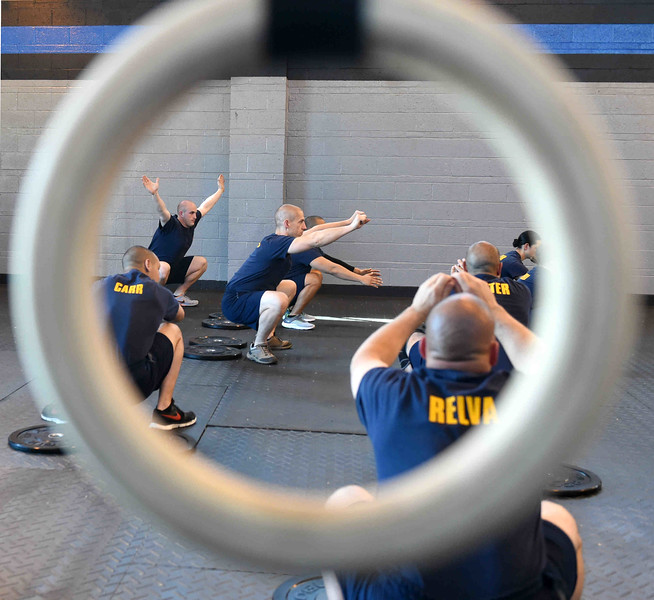
In about 2006, I was introduced to CrossFit, a company that revolutionized the physical fitness industry. Its philosophy was to produce athletes with generalized fitness abilities, through complicated functional movements, high intensity, and the bare essentials of equipment.
CrossFit’s founder Greg Glassman entered into the fitness industry fighting corporate-sized gyms, kinesiologists, body-builder mindsets, elliptical machines, and deep-rooted exercise science. However, the results in a relatively small sample of his athletes was inarguable – they were absolute fitness studs! Glassman’s programming was far outpacing and outperforming the traditionalists’. Unsurprisingly, CrossFit has grown from a small one-warehouse gym into a $4 billion global brand!
I’ve spent considerable time thinking about the parallels between the mainstream fitness industry pre-CrossFit…and the current state of American police training. (I’m not talking physical fitness training; I’m referring to everything we consider to be training and education for American police officers: traffic laws; shooting guns; handcuffing; making traffic stops; fingerprinting; writing crime reports; shining boots; driving fast; investigating suspicious persons; first aid.)

CrossFit changed our philosophy on fitness. It was no longer an emphasis on looking good in the mirror; it became about realistic and practical physical performance (with the added side benefit of also…looking good in the mirror). CrossFit prioritized philosophy, values, objectives, strategies, and tactics of exercise…though they didn’t used those terms. It wasn’t about flashy technology or shiny equipment. It prided itself on spartan open spaces, where people moved heavy things and learned about their how their bodies functioned.
Sadly, I fear the current state of police training in America has been afflicted with the same issues as 1990’s fitness training. Just as the fitness industry, there is no single authority that guides rules or regulations. It is, however, a culture in itself.
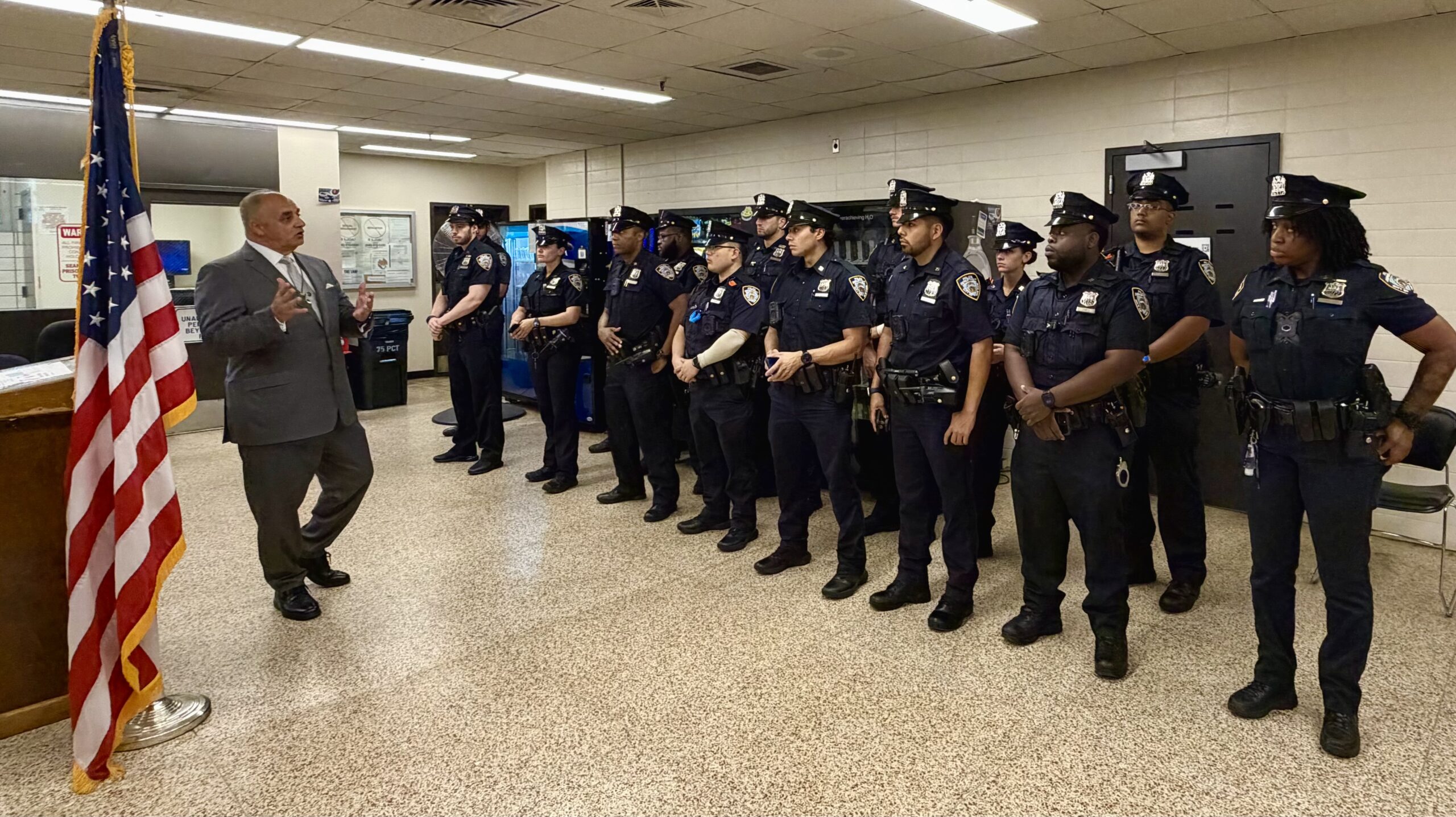
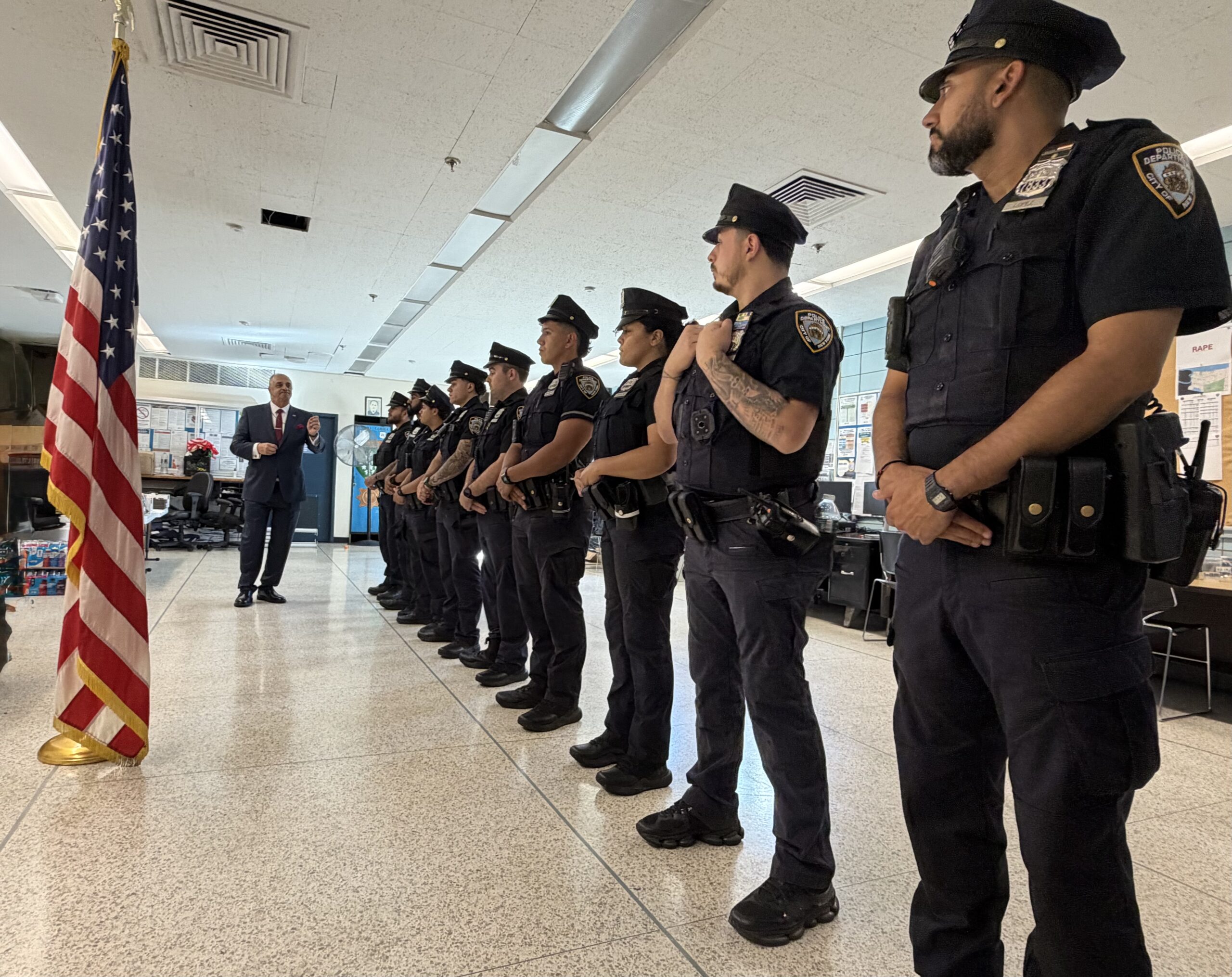
Right now, US police training is overly focused on rigid, choreographed, technical and tactical skills – things like memorizing laws, practiced firearms manipulations, standing at attention, rehearsed traffic stops, pre-planned building searches. Sadly, it tends to ignore higher order critical thinking or adaptive problem-solving abilities in our police officers.
From one side of our mouths, we (as trainers) say we are developing thinkers; out of the other, we’re chastising our officers for their inability to replicate or recite what we have taught them. We say we are nurturing thinkers. We are really punching out doers from a standardized mold.
This is exactly how I had been training my police students for the first handful of years – just going through the motions of the repeated “mechanics” of policing. Until I tried a few new things around 2008. Radically different things. New coaching methods. Untested concepts. Trial principles. Maybe influenced by what I learned from Greg Glassman and CrossFit.
What I realize now is that I had been conducting “black box” experiments in police training. Several hundred officers had been attending my various courses. I had a cult-like following of committed believers to this new approach. They attended any and all courses that I put out.
The responses had been the same: This stuff works! Why haven’t we been doing this all along? How can I get this into our police academy? When is your next class? I was humbled.
If my program was so great, why hasn’t it continued to grow like CrossFit has?
I can only guess it’s because of the tight control over police curriculum within each of our fifty States. It’s a type of authority that is non-existent in the capitalistic and unregulated market of the personal physical fitness industry. Boards and bureaucracies govern how police recruit academies are run. They also influence how in-service training for veteran officers is provided and structured.

Imagine that your boss told you what gym you could attend and what classes (like Spin bike or yoga) to attend, by which instructor. That‘s how police training is conducted in America. If you as a police officer want to attend a different training course, then you have to go on your off-duty time, paying your own way! (Luckily, I massaged a couple of my courses into the Illinois system, so officers could attend for free and while on-duty!)
But we in police training have a long way to go. We are too heavily invested in our industrialized, standardized, technique based curriculum. There is too much lecture…and not nearly enough problem-based and small team learning. Critical outside-the-box thought is often ridiculed by instructors. Adaptive problem-solving is something that is only allowed when the taught and practiced techniques don’t work. Creativity is often beaten (figuratively, but also sometimes literally) out of recruits.
What we need is a movement to realign police training with a new set of philosophies, values, objectives, strategies, and tactics. We need to embrace learning science. Andgeneralism. And teamwork. And leadership. And creative thought. Andvulnerability. And failure. Without these things, we are conveyor-belting mindless doers…who have to wait for their lessons to be learned on the street.
And too many of us cops are learning these lessons too late. If at all. It took me a lot of years to truly come to terms with what it means to be a police officer who uniquely solves complex problems.
What if we could accelerate the learning? What if we had real thinkers graduating our police academies? What if our Field Training Officers got recruits ready to make decisions on Day 01? What if our FTOs used contemporary research-proven educational methods? What if our in-service training acknowledged our diversity and life experiences?
It’s possible. I’ve seen the results in my little slice of Illinois with training that looks as different as CrossFit workouts look to the elliptical machine.
So back to my original question: Is the current model of US police training broken beyond repair? Yes. It needs to be completely stripped down and rebuilt from scratch. We need a revolution to turn it inside out. Much like Greg Glassman did when he designed CrossFit.
For those of you familiar with what CrossFit did to globo-clubs, you know the uphill battle I’m suggesting. You also know the potential results.
Now who’s with me? Get in on the ground level…..
 Louis Hayes, Jr. is a 19-year police officer in suburban Chicago, currently assigned to the patrol division and training function. He is a member of The Virtus Group, Inc., where he studies learning science, creativity, generalism, decision-making, and complex adaptive systems. Follow him on Twitter at @LouHayesJr.