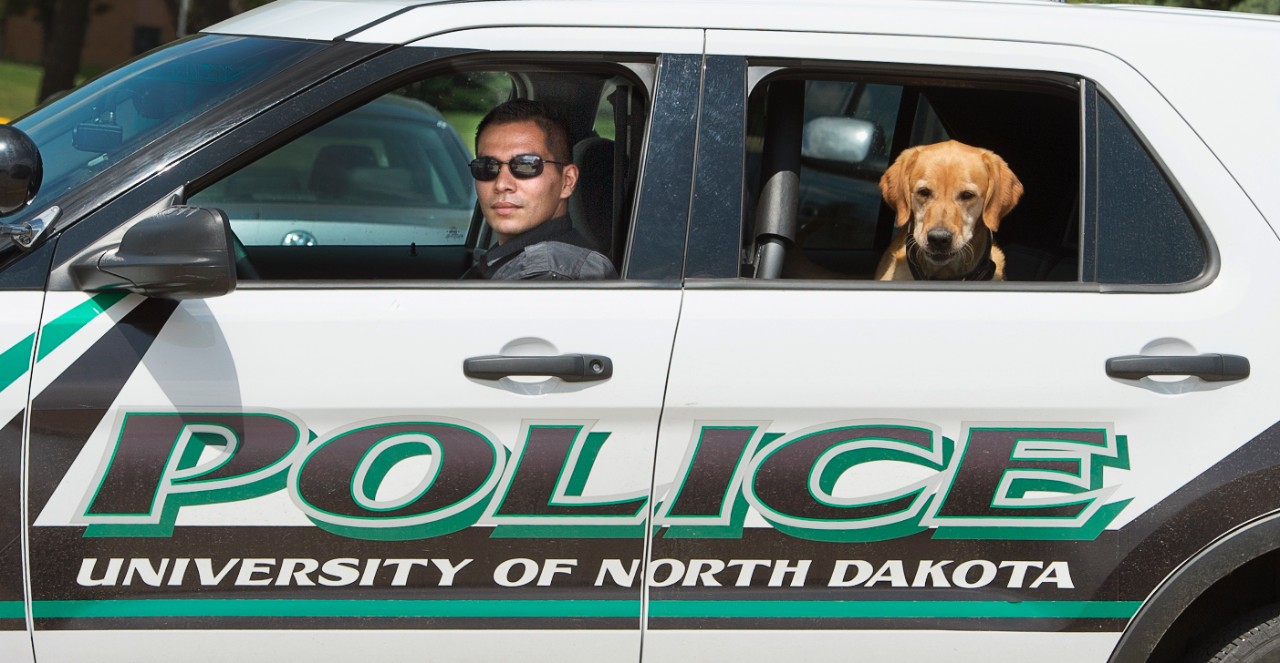

This article is written from the perspective of a campus police officer that patrols the beat in the heart of Baltimore, Md. The campus is in the inner city, where drugs, gangs, homicides and assaults are common. There is a misconception that campus police are glorified security guards who provide back-scratch services for the people in academia who pay their salaries. Calls for service have involved armed robbery, assaults, disorderly conduct, drug activity, weapons offenses, domestic violence and public nuisance complaints. At my agency, the police officers are sworn and committed to reducing the fear of crime on campus.
The Primary Purpose of Campus Policing
There are real considerations for policing a campus environment. Campus policing takes a proactive vs. reactive approach to fighting crime. For instance, a reactive police agency may require their officers to conduct sting operations, set up sobriety checkpoints, plan narcotics raids, conduct gang surveillance, serve warrants and arrest people for prostitution. In campus policing, the mission is to reduce the fear of crime and use proactive policing strategies to discourage criminal activity.
This may include community policing, mobile police escorts, issuing crime alerts, self-defense courses and safety awareness programs. However, policing a campus that is surrounded by high crime rates, drug use, street gangs and petty theft is a difficult challenge. These factors increase the fear of crime and cause people to worry about becoming a victim. When students, faculty and staff feel afraid to travel on campus, this is a major problem.
At times, students become the victim of criminal activity taking place in the surrounding area. Where I work, it is not uncommon to see needles and syringes on the ground and drug addicts nodding out on the sidewalk. Also, there are known street gangs in the city that place officers on high alert. As a result, campus officers receive gang training so that appropriate measures can be taken if an incident occurs.
In campus policing, the constituents are the students. That is why it’s essential to have well-trained police officers that will contribute to the important mission of safety in higher education. The stakes are high for a campus agency to create innovative strategies to reduce crime. For instance, at my agency, we stand on street corners during time periods of increased pedestrian traffic and conduct foot patrols. The goal is to have a visible presence and educate individuals about good safety practices.
When crime is an issue, police must be in reactive mode. Simply put, high crime rates are always a setback. Increased criminal activity can decrease student enrollment and negatively brand the institution. As a result, the university community expects the police to curb the crime problem, which changes the way policing must be done. Crime prevention teams will conduct security assessments to measure the physical security on campus. Cops on patrol will take additional proactive measures by keeping their patrol vehicle’s amber lights on at night so others can see them. Police and security officers may have to personally walk students, faculty and staff members to their destination and wait until they’ve left the area safely. Increased Segway and bicycle patrols are conducted to access hard to reach locations such as in-between alleys or areas where patrol vehicles cannot go. Community relations officers will hand out crime safety pamphlets to pedestrians and at student activity events. Public safety administrative personnel show up at student orientations to conduct safety presentations. The police department’s records division employees may be working late hours to publish crime statistic information or update new crime alerts. The agency may send more officers to crime prevention training seminars to learn fresh strategies. Crime does change the way policing is conducted.
The Downside of Campus Policing
Campus police officers are not always treated with the same respect that their counterparts who serve in large geographic areas experience. In my career working the beat, I have been called a rent-a-cop, glorified security guard and wannabe police officer. I remember one particular incident when I conducted a traffic stop on the driver of a vehicle that violated a traffic law. It is frustrating when there are folks who challenge my authority, especially when I am performing my duties with integrity and fairness, but the person driving the car believed that I did not have the legal authority to pull them over because I was a campus police officer.
Policing on a campus setting is not a cake walk. At times, campus police officers must work details where students express their anti-law enforcement views. Some individuals like to videotape officers enforcing the law in an attempt to make a political statement. Not all police officers can survive in this type of politically-charged environment. It requires officers to have thick skin and not be intimidated for doing the right thing. If you are the kind of cop that likes to make drug busts, set-up prostitution stings, serve warrants and organize SWAT raids, then campus policing may not be an ideal choice.
At times, campus officers must restrain individuals who refuse to comply with the law. The difference when this happens on campus is that the person refusing to comply may have prominence in the university system and wants to file a complaint against the officer for doing their job. In this case, the agency must stand by the law regardless of an individual’s reputation. The political theater lowers officer morale and encourages people to file future complaints against officers for doing their jobs.
The minds of young students are still impressionable and easily influenced by pop-culture, anti-government movements, gangs and drugs. Whereas traditionally colleges have been a haven for academic and student development, times have changed. Recently, some of the most heinous college campus crimes have been committed by students. These dynamics are not to be taken lightly. The police officer must remain alert and vigilant considering the emotionally and politically-charged environment.
The Positives of Campus Policing
The discouraging factors must not deter people from becoming a campus cop. Campus policing is a great career for any sworn or non-sworn individual who wants to rise quickly through the ranks and be a change agent in their department. Many of the agencies are small enough to identify problem areas so that positive change can be made. The opportunity afforded to campus cops; to become a leader in the police force is optimal.
Campus police officers are some of the most professional, highly educated and friendly individuals in the country who deserve the public’s respect. I remember hearing all the compliments from citizens who were happy to see campus police patrolling the area and being available for service. All the appreciation motivated me to continue doing a good job.
Working for a university provides countless opportunities for officers to attend conferences, seminars and other kinds of police-related training. Many institutions of higher education want their officers to be educated and well-trained, and offer university benefits including low tuition rates. Also, officers can stay current in the criminal justice field, being that many colleges provide life credits for campus police. This assists officers in obtaining a degree to enhance their careers. These benefits reduce stress and foster a positive attitude that many officers never get to experience working for time-consuming agencies with limited opportunities for career advancement.
Attractive Benefits
• Fast promotional opportunities.
• Increased police trainings.
• Competitive salaries.
• Reduced tuition rates.
• Use of the campus recreational facilities.
• Discounts on campus merchandise.
• Flexible shift schedules.
• Reduced calls for service.
• Relaxed, friendly environment.
• Clothing allowance.
• Access to the campus library.
• Networking opportunities.
In conclusion, it’s all about changing the perception of campus policing from being considered flashlight security guards to highly-trained law enforcement professionals who protect some of our nation’s most prestigious institutions. I work with some of the most professional law enforcement individuals in the country. Consider becoming a campus police officer and serve with pride.