It s no surprise criminals are becoming more savvy; when law enforcement develops tools to combat criminal activity, criminals develop new ways to overcome those tools. This is no less true in the case of vehicle stops.
In February s column, I addressed the basic legal theories for conducting vehicle searches. In this month s column, I discuss a more complicated scenario involving vehicle searches of recent occupants.
Search Scenario
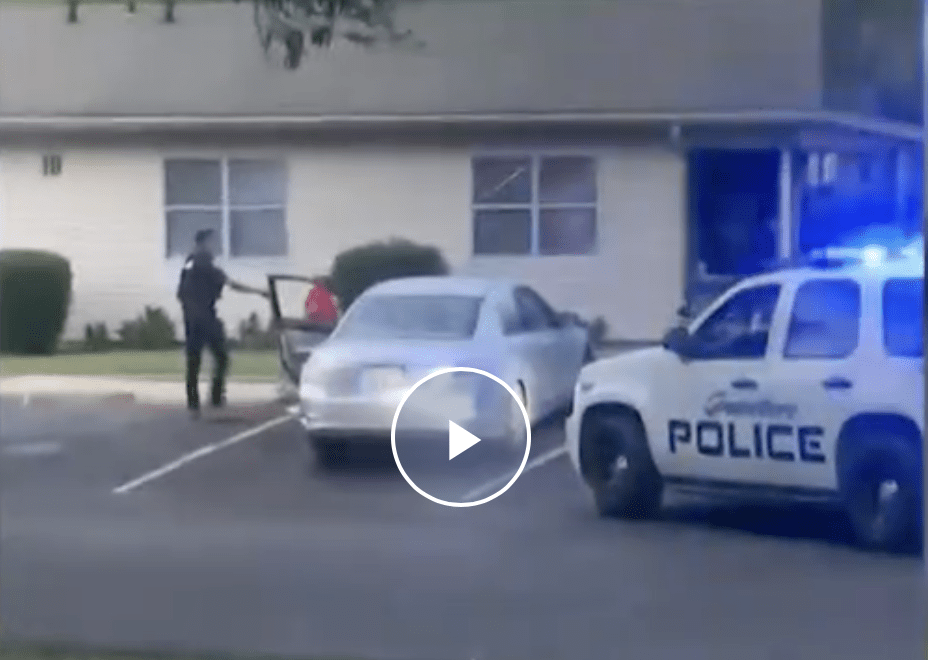
An officer is running radar and observes a vehicle speeding 16 miles over the posted speed limit. The officer observes that the vehicle s right brake-light is inoperable (in violation of the state statute) when the driver applies the brakes. The officer, operating a marked squad car, activates the overhead lights and siren to perform a traffic stop. However, instead of pulling over immediately, the driver continues on for five blocks, pulls into a local gas station/convenience store parking lot and parks his vehicle in a parking space in front of the store.
The officer parks his squad car perpendicular to the rear of the offender s vehicle. Before the officer can get out of the squad car, the offender exits his vehicle and proceeds to the store doors. As the officer exits his car, he calls out to the driver to step back to his vehicle. The driver ignores the officer and continues inside the store with the officer following.
Once inside the store, the officer tells the driver that he must step outside so he can obtain his driver s license, registration and proof of insurance because the driver had been speeding and operating a vehicle with defective lighting. The driver continues to ignore the officer s requests, makes a purchase and exits the store with the officer following. Again, the officer tells the driver that he had been stopped for violating the law and asks the driver for his license and other documents.
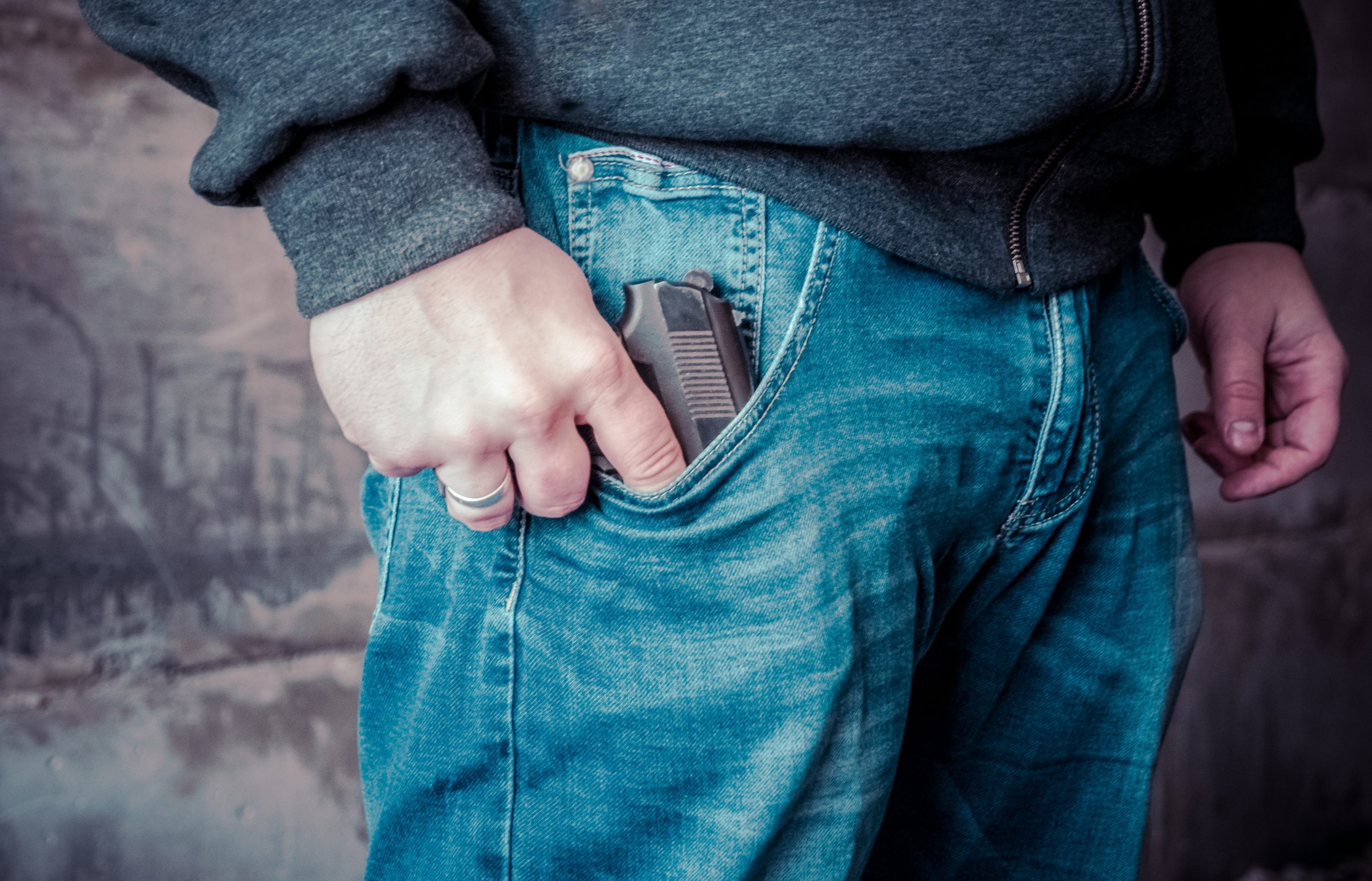
The driver appears nervous and is sweating profusely. Concerned for his safety, the officer asks the driver if he has any weapons on him. The driver responds, No. The officer asks the driver if he can pat him down, and the driver agrees. During the pat down, the officer locates a 9mm handgun stuffed in the driver s left boot. The officer places the driver under arrest (in this state, it s unlawful for an individual to carry a concealed firearm) and puts him in the back of the squad car.
The officer then proceeds to search the driver s vehicle. During the search, the officer locates a significant amount of crack cocaine in the center console. The driver is charged with unlawful use of a weapon, possession with intent to distribute cocaine, speeding and operating a vehicle with defective lighting.
The officer justifies the search as a search incident to an arrest. However, because the officer s agency does not have a policy in place for inventorying a vehicle s contents, he can t argue that the search was an inventory search.
The driver hires an attorney who files a motion to suppress the crack cocaine charge. The defense attorney argues that the evidence/discovery was the fruit of an unconstitutional vehicle search because too much time had lapsed between the original traffic offenses and weapons to justify searching the vehicle incident to that arrest.
Who s right? After all, the driver was arrested several minutes after exiting his vehicle. Are police officers entitled to search the vehicle incident to an arrest under these circumstances?
Thornton v. United States
This issue was resolved in a United States Supreme Court case, Thornton v. United States,1 under circumstances similar to those in the hypothetical scenario above. In Thornton, an officer driving an unmarked squad car observed that the license plate on the offender s car wasn t registered to that car. However, before the officer could initiate a traffic stop, the offender parked and exited his vehicle. The officer parked his squad car near the offender s vehicle and questioned the offender.
Because the offender demonstrated suspicious behavior, the officer conducted a pat-down search. During the pat-down search, the officer discovered illegal drugs. The officer arrested the offender and placed him in his squad car. The officer then searched the offender s vehicle incident to the arrest. During the search, the officer located a handgun.
The offender sought to exclude evidence of the handgun, arguing that the search was unlawful. The trial court denied the offender s motion to suppress the firearm. The case proceeded all the way to the U.S. Supreme Court. The Court affirmed the decision of the trial court. In other words, the officer s search of the vehicle incident to an arrest was lawful even though the officer s original contact with the offender occurred outside of the vehicle.
Vehicle Searches of Recent Occupants
The purpose of conducting searches incident to an arrest is to prevent the person from either obtaining the use of a weapon or destroying evidence. This is no different when the search is of a vehicle following the arrest of the vehicle s occupant after a traffic stop. During a search incident to an arrest, the passenger compartment may be searched for weapons and evidence, including all closed containers within the passenger compartment.2
A search incident to an arrest theory will not be deemed fatal if the officer fails to initiate contact with the recent vehicle occupant (driver or passenger) while they were in the vehicle. In fact, in Thornton, the Supreme Court stated that a search incident to an arrest does not depend on whether the officer initiated contact with the recent occupant while they were in the car, or while they were out of the car.3 This is because the arrest of a recent occupant who is standing next to a vehicle presents the same concerns regarding officer safety and the destruction of evidence as the arrest of one who is still inside the vehicle. According to the Court, a custodial arrest is fluid, and the danger to the police officer flows from the fact of the arrest and its attendant proximity, stress and uncertainty. 4
The Court emphasized that the stress is no less merely because the arrestee exited his car before the officer initiated contact, nor is an arrestee less likely to attempt to lunge for a weapon or to destroy evidence if he is outside of, but still in control of, the vehicle. In either case, the officer faces a highly volatile situation. It would make little sense to apply two different rules to what is, at bottom, the same situation.
The Bottom Line
This is a highly complex issue and some lower courts may be in disagreement with the holding in Thornton. Therefore, officers should check with their local prosecutors to determine the status of vehicle searches of recent occupants in their jurisdictions.
In the meantime, if vehicle searches of recent occupants are conducted pursuant to the incident to an arrest theory, officers should document the circumstances of the arrest and subsequent search in detail. The report should document the reason for the traffic stop. It should also indicate if the officer initiated contact with the occupant immediately or soon after the occupant exited his vehicle. The report should also include the spatial relationship of the recent occupant to the vehicle. The closer they were to the vehicle, the more likely the search will be upheld. And finally, the Do not construe this column as legal advice. Each police officer should consult with an attorney in their jurisdiction for legal advice on any specific issue.
References
1. 541 U.S. 615 (2004).
2. See, New York v. Belton, 453 U.S. 454 (1981).
3. See also, Michigan v. Long, 463 U.S. 1032 (1983) (where officers met the driver of a vehicle that swerved into a ditch at the rear of his vehicle, the Court stated in dicta that it is clear . . . that if the officers had arrested [the driver] . . . they could have searched the passenger compartment despite the fact that there was no indication that the officers initiated contact with the driver while he was still in the vehicle).
4. Thornton, 541 U.S. at 621 (citing United States v. Robinson, 414 U.S. 218, 234-35 (1973)).