We’ve all worked hard preparing budget requests and yet had them shot down for various reasons. There is no one right way to go about justifying and selling a budget request, so it’s up to you to decide the best approach. However, similar to the choices on a restaurant menu, you want your items to look appealing — so good that they’re hard to say no to. In addition, connecting cost and benefits is critical. Approaching budget requests this way helps others make decisions, see the value, have control, and buy in to your vision. The following are some tips to consider as you prepare for the upcoming budget season.
- What — Paint a clear picture of the specific need that will be addressed or the problem that will be improved if the request is implemented.
- Statistics support your case — Comparisons can show that a program is working and that more funding can continue the momentum. Poor results also may get the attention of decision-makers, helping them to understand how much money, time and energy is being wasted. Statistics could include number of collisions, number of injuries to officers and civilians, lost time or costs, or collisions per 100,000 miles compared against prior years as well as against other peer agencies.
- Best practices from other agencies vs. what your agency does — If there are 12 key components of effective driver safety programs and your agency is only doing three, create a checklist to show all the gaps, liability and opportunities.
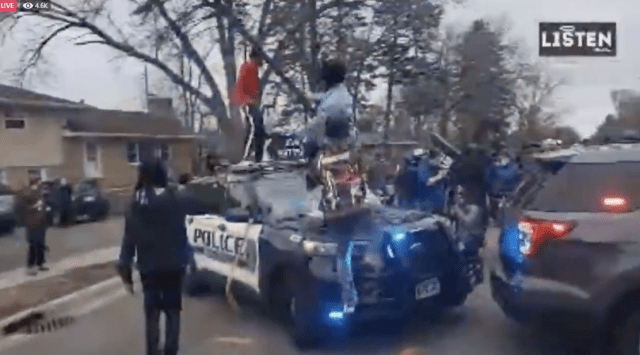
- Video, pictures and articles — Use these quick and powerful tools to bolster your justifications.
- Connect to your organization’s goals — Management and elected officials want to see that funds and programs are being used strategically on key priorities. Review the vision, mission, goals and objectives from your department and government to demonstrate you are listening to their direction. Since few budget requests reference organizational strategies, doing so can make your request stand out.
- Anticipate questions — And answer them before they are asked. This No. 1 rule of effective budget justification keeps decision-makers focused on the key parts of your requests, creates more confidence in you and your proposal, and provides less opportunity for wandering into the weeds.
- Break the rules — Getting your request noticed can be tough. Figure out a way to make your needs stand out, even if it means breaking the “rules” set out by your agency’s budget forms or process. If necessary, create your own justification format to supplement the request, squeeze in an explanatory comment, talk to or email the decisions-makers in advance to give them a “heads-up” about a critical request, and/or invite them into the field to see what might be done. Seek advice from your budget staff on how best to make your case.
- Provide options, cost of enhancements, and a variety of approaches — Options should vary from just enough to get something started to everything you’d like to have. Suggested range? Cheeseburger to T-bone to filet mignon. Even just getting the cheeseburger funded gives you an opportunity to get your foot in the door and show what can be done — this increases the likelihood for more future funding.
- Strike when the iron is hot — Don’t restrict yourself to budget season to make a request. Winston Churchill said, “Never let a good crisis go to waste.”
- Once may not be enough — Your request may get shot down the first time, but don’t let that stop you from coming back! Getting your request on senior leadership’s radar means they are becoming aware of the need and your request has a better chance of getting funded in the future.
In the third and final installment of the Tactical Budgeting series, we’ll talk about the gold standard for getting your training requests funded — demonstrating a return on investment (ROI). You can read Part 1 of our Tactical Training series here.
Duane Hampton has over 20 years of law enforcement experience. He is the Chief of Police for the Town of Hillsborough, North Carolina and previously served with the City of Durham, NC as a police lieutenant. He is a certified law enforcement driving and firearms instructor through N.C. Training & Standards. He instructs in Basic Law Enforcement, Instructor and In-Service training programs. Duane is one three lead instructors who designed and teaches in the N.C. League of Municipalities annual two day “Slower is Faster” police driver safety seminar for police instructors and trainers. He is on the Board of Directors for ALERT International (Association of Law Enforcement Emergency Response Trainers) and is also the southeastern representative for ALERT.