Statement of Record
Respect is not a slogan, nor is it a situational response. It is the defining standard of ethical policing and the foundation of public trust. It must be visible, consistent, and unwavering—carried in every interaction, reinforced through leadership, and cultivated long before enforcement is ever required.
There was a time when three words traveled every street in New York City—not spoken, but seen.
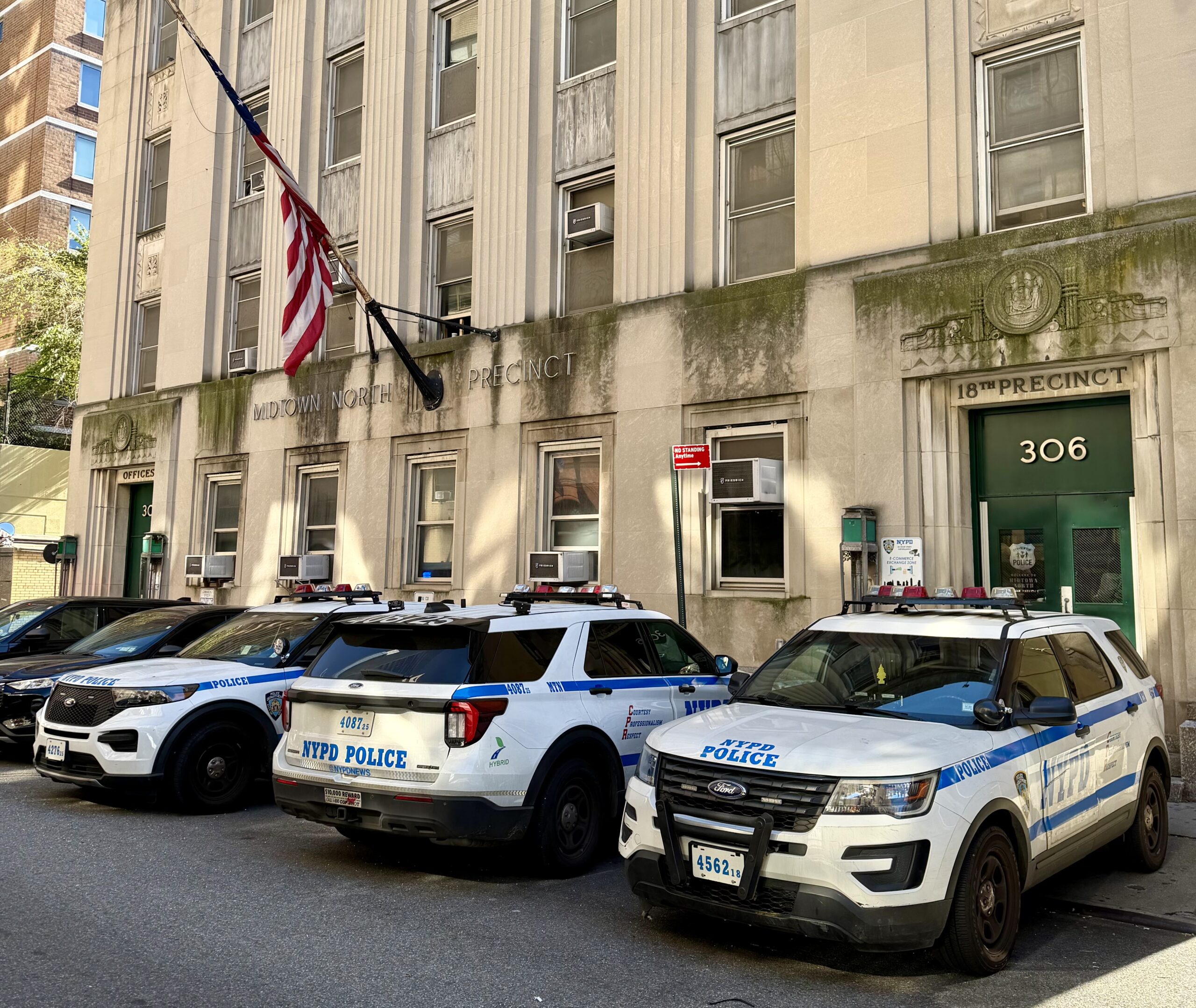
They moved through Times Square and quiet neighborhoods alike, carried on patrol cars and motorcycles, present in the daily rhythm of the city. They were not tucked away in policy manuals or reserved for training rooms. They were placed where the public could see them—clear, deliberate, and constant:
Courtesy. Professionalism. Respect.
For the New York City Police Department, those words were more than a slogan. They were a public expression of identity—a statement of how authority would be carried, and how the profession understood itself in the presence of the people it serves.
Today, the language has changed. On many vehicles, those words have given way to a more mission-centered message: Fighting Crime, Protecting the Public.
The distinction is subtle, but significant. One speaks to what policing does. The other speaks to what policing is.
Both matter. But only one reaches the deeper question of trust.
Respect Must Be Visible
The images captured over time reflect a period when respect was not assumed—it was clearly and consistently affirmed.
That visibility mattered.
When a standard is seen, it is reinforced. When it is reinforced, it becomes part of culture. And when it becomes culture, it shapes conduct—both within the profession and in the expectations of the public.

Respect remains a foundational value in policing. But it is no longer affirmed in the same visible way.
And what is not visibly affirmed is more easily taken for granted. What is taken for granted is less likely to be upheld with consistency.
Respect as Doctrine
This is not about what was written on the side of a patrol car. It is about what must be written into conduct.
Respect cannot be reduced to tone or technique. It is not reserved for calm situations or cooperative encounters. It is tested most when circumstances are difficult—when authority is challenged, when tension is high, and when the outcome is uncertain.
Authority can compel compliance. But only respect earns trust—and trust, once earned, becomes the quiet foundation upon which every future encounter stands.
Where It Begins
If respect is to be present in those moments, it must be formed long before them.
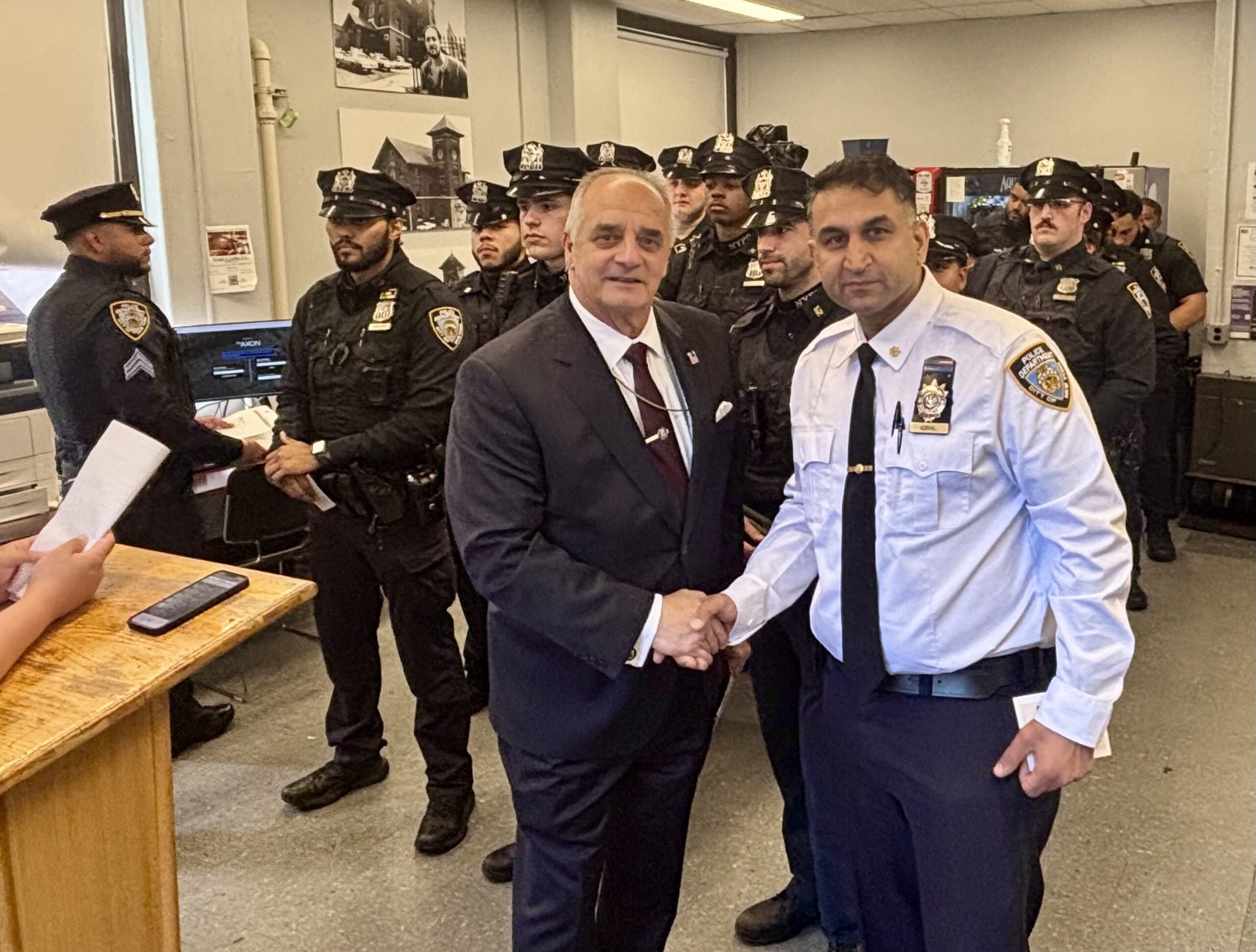
Long before the badge is worn, before the oath is taken, before the first call for service, respect is either taught—or it is not. And that formation begins not on the street, but in the classroom.
We cannot expect respect in society if we do not teach it where society begins.
Presence Before Enforcement
When young people encounter officers only in moments of correction or crisis, their understanding of authority is shaped by tension.
But when those same officers are present in schools as mentors, guides, and steady influences, something changes. Familiarity replaces distance. Communication replaces hesitation. Trust begins to form.
The most effective form of policing often begins long before enforcement is ever required.
Guidance and Trust
Officers also become a point of stability for young people facing real challenges—bullying, family conflict, and circumstances that are often beyond their control.
In those moments, authority is experienced differently—not as force, but as presence; not as control, but as care.
And it is there that respect takes its deepest hold.
A Standard of Service
This principle is not unique to policing. It is long understood within the United States Armed Forces.
At institutions such as the United States Military Academy at West Point, respect is modeled, expected, and lived.
Authority must be carried with integrity—and integrity must be visible.
An Ethical Renaissance
Policing continues to evolve. Missions adapt. Priorities shift. But certain principles must remain unmistakable.
Respect is one of them.
An ethical renaissance must be built through character—within law enforcement, within our schools, and within the communities they serve. Not declared in moments of need, but formed over time, reinforced through example, and carried into every act of service.
At some point, the words changed.
But the standard must not.
Respect must once again be unmistakable—not only in what is said, but in what is seen. In presence. In conduct. In the quiet discipline of doing what is right, even when it is difficult.
Because in the end, the badge does not define authority.
It defines how that authority is carried.
And in every place where that responsibility is entrusted—on the streets of our cities, in the classrooms of our schools, and in the ranks of our Armed Forces—respect remains the defining standard of service.
Selected Works & Continuing Doctrine
Featured Law Officer Articles
Ethical Leadership Doctrine: A Foundation for Modern Policing
Establishing ethical leadership as the cornerstone of trust, accountability, and professional conduct in 21st-century policing.
Principles of American Policing for 21st Century Law Enforcement
Principles of American Policing™ for 21st-Century Law Enforcement
Defining the enduring values that guide modern law enforcement in protecting constitutional principles while serving the public with integrity and respect.
The Moral Courage Behind the Uniform
Examining moral courage as an essential quality of ethical officers in moments of challenge, responsibility, and decision.
Vincent J. Bove Chronology – Law Officer
https://www.lawofficer.com/author/vbove/
A comprehensive collection of Vincent J. Bove’s published work in Law Officer, reflecting a sustained focus on ethical leadership, moral courage, and character in 21st-century policing.
Professional Contribution & National Engagement
Beyond his published work, Vincent J. Bove has maintained longstanding collaboration with federal, military, and academic institutions, including contributions in support of the Federal Bureau of Investigation and leadership development initiatives for the United States Military Academy.
Through these efforts, his work continues to advance respect as the defining standard of ethical leadership across law enforcement, education, and national leadership.