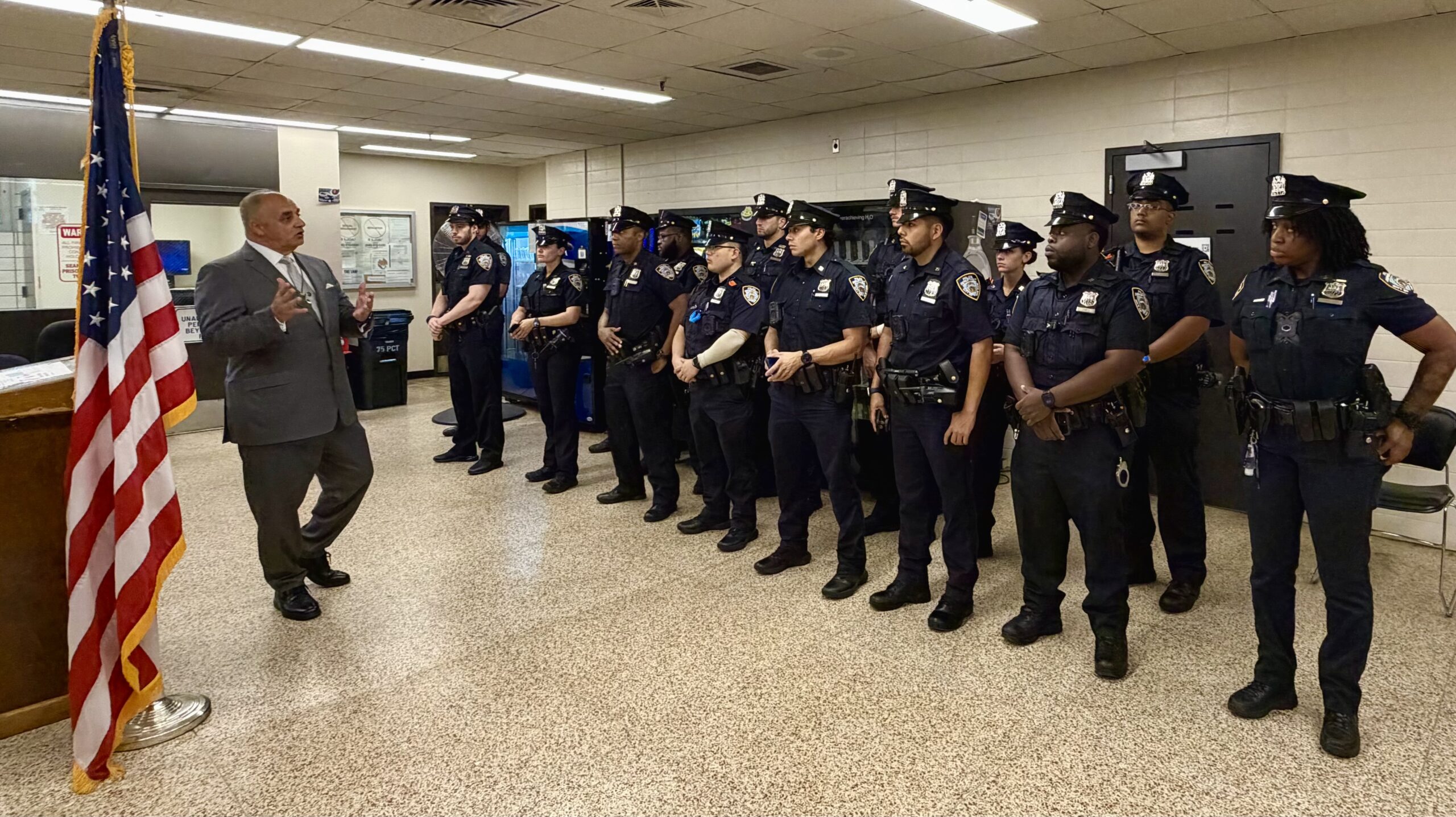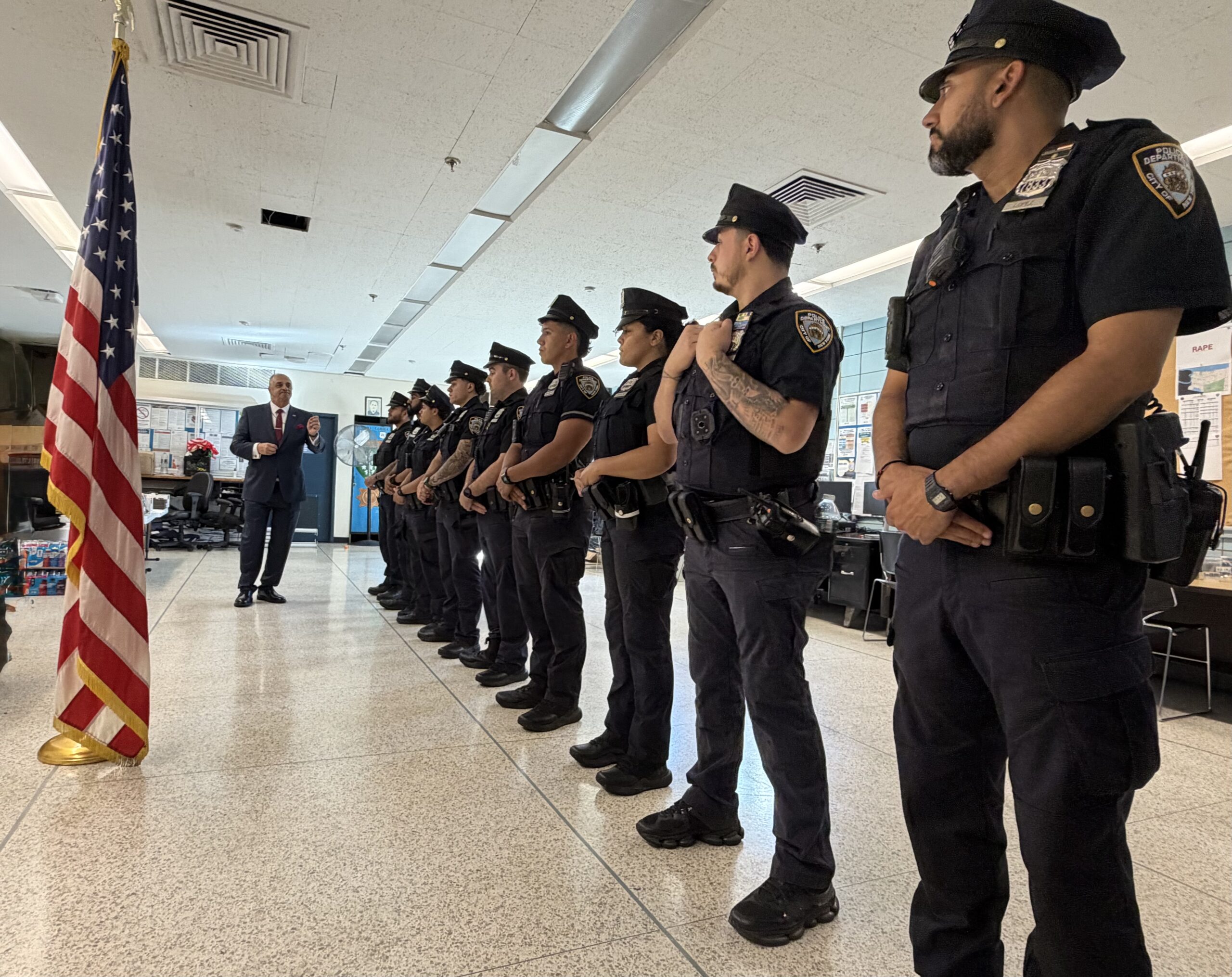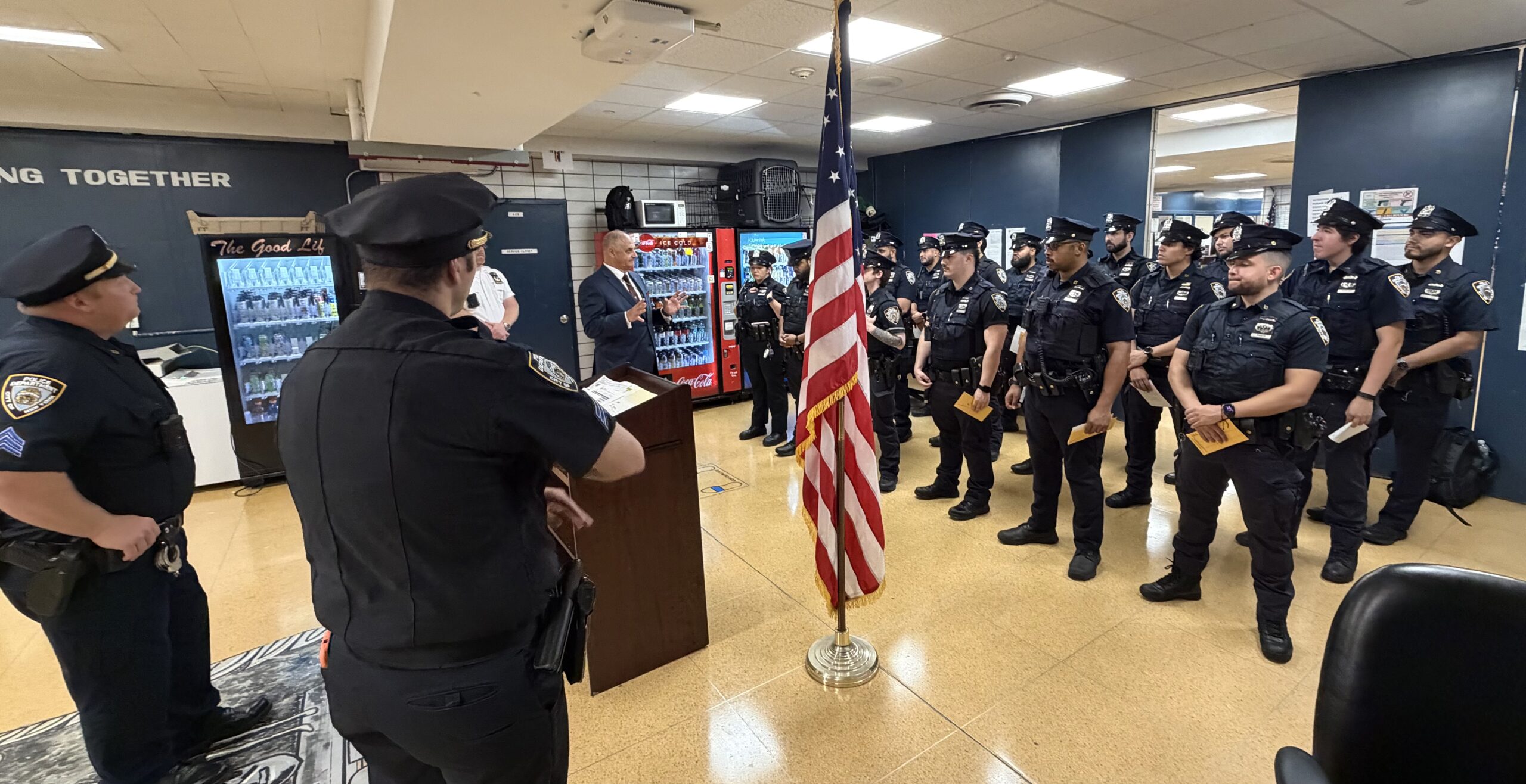
Inspired by the enduring wisdom of Sir Robert Peel, the Principles of American Policing™ were developed by Vincent J. Bove in 2015 and refined to confront the extraordinary moral, cultural, and operational challenges facing law enforcement today.
For the purposes of this article, the original principles have been thoughtfully and minimally adapted to address present-day realities—without compromising their foundational integrity or doctrinal intent.
Principle 1: Police and Community Are One
Police officers and the community are inseparable. The police are the community, and the community is the police. Those entrusted with the badge are drawn from the very neighborhoods they serve — sons and daughters, mothers and fathers, neighbors and citizens.
Officers embody Ethical Policing Leadership™ through their moral compass, integrity, courage, and service. They do not stand apart from the people; they stand among them.
They protect the community, and the community, in unity and shared responsibility, stands with them in return.
Commentary
This principle affirms that legitimacy is born of relationship. Dedication, character, and accountability strengthen public trust and enduring partnership.
Community-centered policing fosters resilience, reinforces constitutional authority, and sustains the moral foundation upon which public safety depends.
Principle 2: Respect as a Hallmark
Respect is not optional in law enforcement — it is foundational. Every law enforcement professional, particularly those who have sustained serious line-of-duty injuries or endure life-threatening illness as a result of service, must receive enduring appreciation for their sacrifice.
The experience, wisdom, and moral authority of Wounded Protectors are not to be sidelined. They belong at the heart of the profession — as mentors, encouragers, and living witnesses to courage under trial. Their resilience strengthens departments and anchors younger officers in perspective and purpose.
As reflected in “A Wounded Protector and Beacon: Spotlighting NYPD Detective Kathy Burke (Ret.)” (Law Officer, February 27, 2026), the life of Kathy Burke demonstrates how sacrifice, dignity, and perseverance become a beacon for the entire profession.
All officers privileged to serve must recognize that they symbolically carry the community — physically, spiritually, and emotionally — much like the American GI depicted in the Liberation Monument in Jersey City, who bears the weight of another in defense of human dignity.
Respect begins within. It begins with respect for oneself, for fellow members of one’s department, for allied agencies, and for the community entrusted to their protection. When respect is modeled internally, it radiates outward — and it inspires respect in return.
Police officers are to be respected by dedicated members of the community — not feared. Authority grounded in dignity and integrity commands trust far more enduringly than authority imposed through intimidation.
Commentary
Line-of-duty personnel stand as exemplars of courage, endurance, and moral strength. Their lived experience, combined with the principles of affirmation articulated by Conrad Baars, offers essential guidance for officers nationwide.
Respect — disciplined, reciprocal, and rooted in character — must remain a hallmark of all who serve the profession. Where respect flourishes, legitimacy follows. Where legitimacy stands firm, public safety is strengthened.
Principle 3: Adequate Resources
Departments bear the solemn responsibility to provide the staffing, training, leadership development, technology, and operational support necessary for effective, ethical, and constitutional policing.
Adequate resources are not luxuries — they are safeguards. Among these, sufficient staffing stands as a central pillar, particularly during challenging times when recruitment declines, morale is tested, and operational demands increase.
Proper resourcing ensures that officers are not stretched beyond prudence, that response times remain strong, that investigations are thorough, and that ethical decision-making is never compromised by exhaustion or institutional neglect.
As affirmed in Principle 1, the police and the community are one. Therefore, both must work in unity to inspire and cultivate the next generation of ethical protectors — men and women of character who view service not merely as employment, but as calling.
Commentary
Prudent allocation of resources strengthens officer safety, community protection, and constitutional integrity. Understaffed or undertrained departments risk reactive policing rather than principled policing.
Investing in personnel, wellness, and professional formation safeguards public trust and sustains professional standards. When communities support recruitment and departments steward resources wisely, legitimacy is reinforced and resilience endures.
Principle 4: Community Engagement & Proactive Protection
Community Engagement and Protection Initiatives enhancing police-community relations must be continually implemented, including citizen and youth academies, youth mentoring, neighborhood watches, School Resource Officers, and Houses of Worship Officers™.
Commentary
As explored in “Operation Sacred Shield™: Protecting America’s Houses of Worship in a Vulnerable World” (Law Officer, February 16, 2026) – https://www.lawofficer.com/operation-sacred-shield/, community engagement programs reinforce public trust and safety.
Houses of Worship Officers™ provide proactive protection, complementing school resource programs. Preventive leadership and trusted presence protect students and foster positive relationships — a model that should be mirrored in Houses of Worship Officers™ programs, strengthening security, engagement, and trust in every community setting.
Additionally, officers should maintain visibility and positive engagement through community visitations: schools, colleges, universities, senior residences, houses of worship, and workplaces. These actions defend the community, highlight ethical policing in action, and present officers as accessible, trustworthy, and dedicated protectors.
See also: “Preventive Leadership & Human Encounter Model™: A 21st-Century Framework for Violence Prevention in Schools, Colleges, and Universities” (Law Officer, February 14, 2026) – https://www.lawofficer.com/preventive-leadership/
This approach ensures the community sees law enforcement as an active, ethical, and compassionate partner in daily life, not just in moments of crisis.
Principle 5: Leveraging Modern Technology for Officer and Community Safety
Agencies must utilize modern tools, including body-worn cameras, communication devices, and data analytics, to enhance both officer and community safety.
Commentary
Thoughtful adoption and ethical use of technology strengthen situational awareness, accountability, and trust while supporting constitutional policing and protecting the community alongside the officers.
Principle 6: Moral Courage and Ethical Policing Leadership™ Certification
Every law enforcement professional in the nation must be a certified Ethical Policing Leader™.
Commentary
Certification ensures consistent standards of moral courage, resilience, and principled action. Officers must turn challenges into strength, serving as Wounded Protectors and mentors for colleagues across agencies, beginning with their own, and the communities entrusted to their protection.
As detailed in: “The Ethical Leadership Doctrine™ in Policing: From Silent Wounds to Enduring Moral Authority” (Law Officer, February 25, 2026) – https://www.lawofficer.com/the-ethical-leadership-doctrine-in-policing/
Principle 7: Patriotism and Civic Duty
Officers must honor the nation, its flag, and the sacrifices of military personnel, learning from the discipline, courage, and solemnity exemplified by the Sentinel at the Tomb of the Unknown Soldier. Patriotism reinforces the civic mission of policing, linking service to country with service to community.
Commentary
Patriotism is more than symbolism; it is active respect for the ideals and freedoms officers protect. The Tomb of the Unknown Soldier exemplifies unwavering discipline, courage, and fidelity to duty—qualities that every law enforcement professional should emulate. Recognition of military sacrifice inspires officers to uphold integrity, professionalism, and ethical leadership in all interactions.
As detailed in: “Sacred Duty: Honoring America’s Armed Forces – Where Military Sacrifices Inspire the Courage and Integrity of Law Enforcement” (Law Officer, March 2, 2026) – https://www.lawofficer.com/sacred-duty/
Principle 8: Proportional, Constitutional, and Ethical Action
Police interventions must protect communities while upholding constitutional safeguards. Officers must ensure that every use of authority is measured, lawful, and aligned with the ethical standards of the profession. Violations of proportionality, due process, or ethical norms tarnish the badge, diminish public trust, and weaken the nobility of policing.
Commentary
Law enforcement professionals are entrusted with immense responsibility. Lessons from West Point on ethical leadership and decision-making highlight the importance of integrity, accountability, and moral clarity in every action (Ethical Lessons from West Point). Officers must internalize the principle of Never Will I Falter—committing to uphold the trust and safety of their communities, the rights of individuals, and the standards of the profession (Never Will I Falter).
The antidote to moral bankruptcy, brutality, racism, corruption, or incompetence is consistent Ethical Policing Leadership™, character, transparency, and accountability. Officers must live these principles daily, serving as models for their peers and inspiring public confidence.
Principle 9: Recruitment, Education, and Ongoing Training
Every officer must be rigorously recruited, continuously educated, and certified as an Ethical Policing Leader™. Recruitment must identify individuals with integrity, character, and dedication to public service, while training programs must prepare officers to face operational, ethical, and legal challenges with competence and moral clarity.
Ongoing certification is imperative. Officers must not graduate from academies and then go throughout their careers without updated training initiatives that benefit them and their communities, including recertifications.
This is critical for maintaining the highest standards of ethical policing and the respect of the profession by its own members and the communities they serve.
Commentary
Agencies should complement internal expertise with world-class educators from public and private sectors. Ethical Policing Leader™ certification ensures readiness for operational, ethical, and legal challenges nationwide, reinforcing the trust, professionalism, and legitimacy of law enforcement.
Final Reflection
The Principles of American Policing™ provide a timeless, actionable framework for 21st-century law enforcement. They inspire courage, ethical leadership, vigilance, and collaboration in every aspect of policing.
Officers, as Wounded Protectors, carry the lessons of sacrifice, affirmation, and mentorship into every department and community they serve. These lessons are reinforced by historical examples, patriotic duty, moral courage, and the discipline embodied at the Sentinel at the Tomb of the Unknown Soldier and the Liberation Monument in Jersey City.
These principles are not theoretical—they are operational standards that preserve the nobility of the profession, protect constitutional liberties, and ensure American policing remains worthy of public trust.
By living these principles daily, officers honor the communities they serve, uphold ethical policing leadership, and set a standard that will endure for generations.
Resources / Further Reading
Explore Vincent J. Bove’s full Law Officer column:
https://www.lawofficer.com/author/vbove/
Selected Articles:
- A Wounded Protector and Beacon: Spotlighting NYPD Detective Kathy Burke (Ret.) – https://www.lawofficer.com/a-wounded-protector-and-beacon/
- Operation Sacred Shield™: Protecting America’s Houses of Worship in a Vulnerable World – https://www.lawofficer.com/operation-sacred-shield/
- Sacred Duty: Honoring America’s Armed Forces – https://www.lawofficer.com/sacred-duty/
- The Ethical Leadership Doctrine™ in Policing: From Silent Wounds to Enduring Moral Authority – https://www.lawofficer.com/the-ethical-leadership-doctrine-in-policing/
- Leadership Beyond Resilience: Raising the Bar Through Ethical Law Enforcement Mastery™ – https://www.lawofficer.com/leadership-beyond-resilience-raising-the-bar-through-ethical-law-enforcement-mastery/
- Never Will I Falter: Ethical Lessons from the Tomb of the Unknown Soldier for America’s Police – https://www.lawofficer.com/never-will-i-falter