A Leadership Framework from the Writings of Vincent J. Bove for Law Officer
Part VI of a Six-Part Series
Presented during the commemoration year of the 250th anniversary of American independence (1776–2026), and in anticipation of the 25th anniversary remembrance of September 11, 2001—recognizing the enduring responsibilities of leadership, constitutional service, sacrifice, public trust, and the evolving realities confronting public safety in the 21st century.
Statement of Record
The preceding articles in this series examined defining periods in American history to explore enduring principles of leadership, legitimacy, sacrifice, constitutional responsibility, and public trust.
This concluding article shifts from historical periods to the contemporary operating environment inherited by today’s public safety professionals.
Drawing upon historical reflection and observations from the evolution of public safety over recent decades, this article examines how responsibilities have expanded across community engagement, violence prevention, preparedness, resilience, public trust, technological change, and leadership under increasing complexity.
Its purpose is not to predict the future of policing, but to consider what enduring principles remain necessary as public safety institutions continue to evolve.
The challenges have changed.
The responsibilities have expanded.
The standard remains.
The Inheritance of Leadership
The preceding articles in this series examined several defining periods in American history and considered their continuing relevance to leadership in 21st-century policing. From the Founding generation through constitutional expansion, national division, global conflict, and periods of institutional strain, each historical moment revealed a recurring truth: societies are ultimately shaped not merely by the authority they possess, but by the principles that govern its use.
The American experience demonstrates that leadership obligations do not disappear as conditions evolve. Rather, each generation inherits circumstances different from those that preceded it while remaining accountable to enduring standards of character, restraint, public trust, and responsibility.
The officers serving America’s communities today confront conditions unlike those confronted by earlier generations. Contemporary policing increasingly operates within environments shaped by rapid technological change, heightened public scrutiny, accelerated communication, evolving threats, and complex social pressures. The responsibilities of modern policing now extend beyond traditional understandings of crime control and frequently include responding to circumstances involving addiction, mental illness, homelessness, exploitation, family instability, violence prevention, and individuals experiencing various forms of crisis and vulnerability.
These realities should not be interpreted as expanding policing into every domain of social responsibility, nor do they diminish the constitutional limits that properly govern public authority. They do, however, illustrate the environment in which public safety leadership increasingly functions.

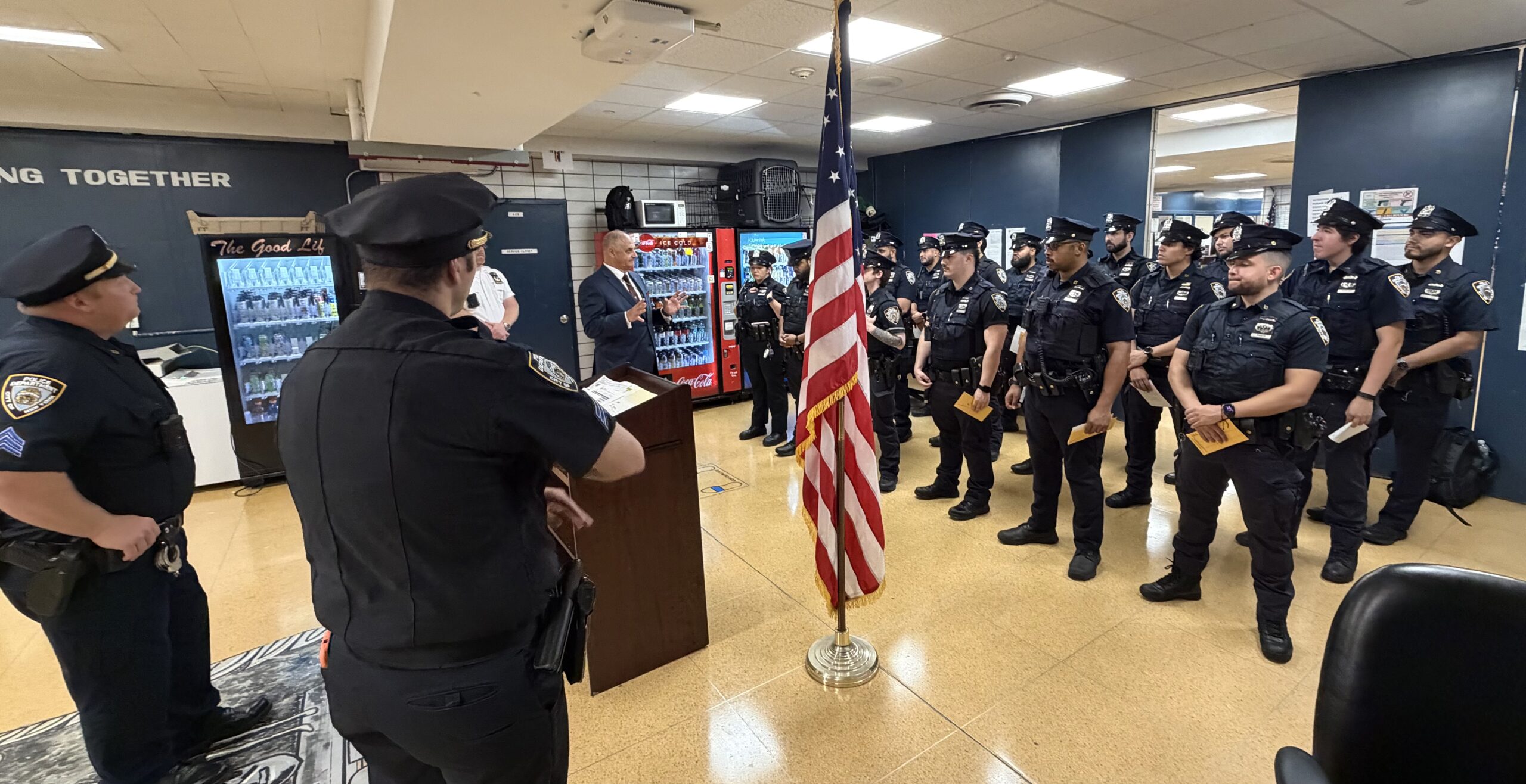
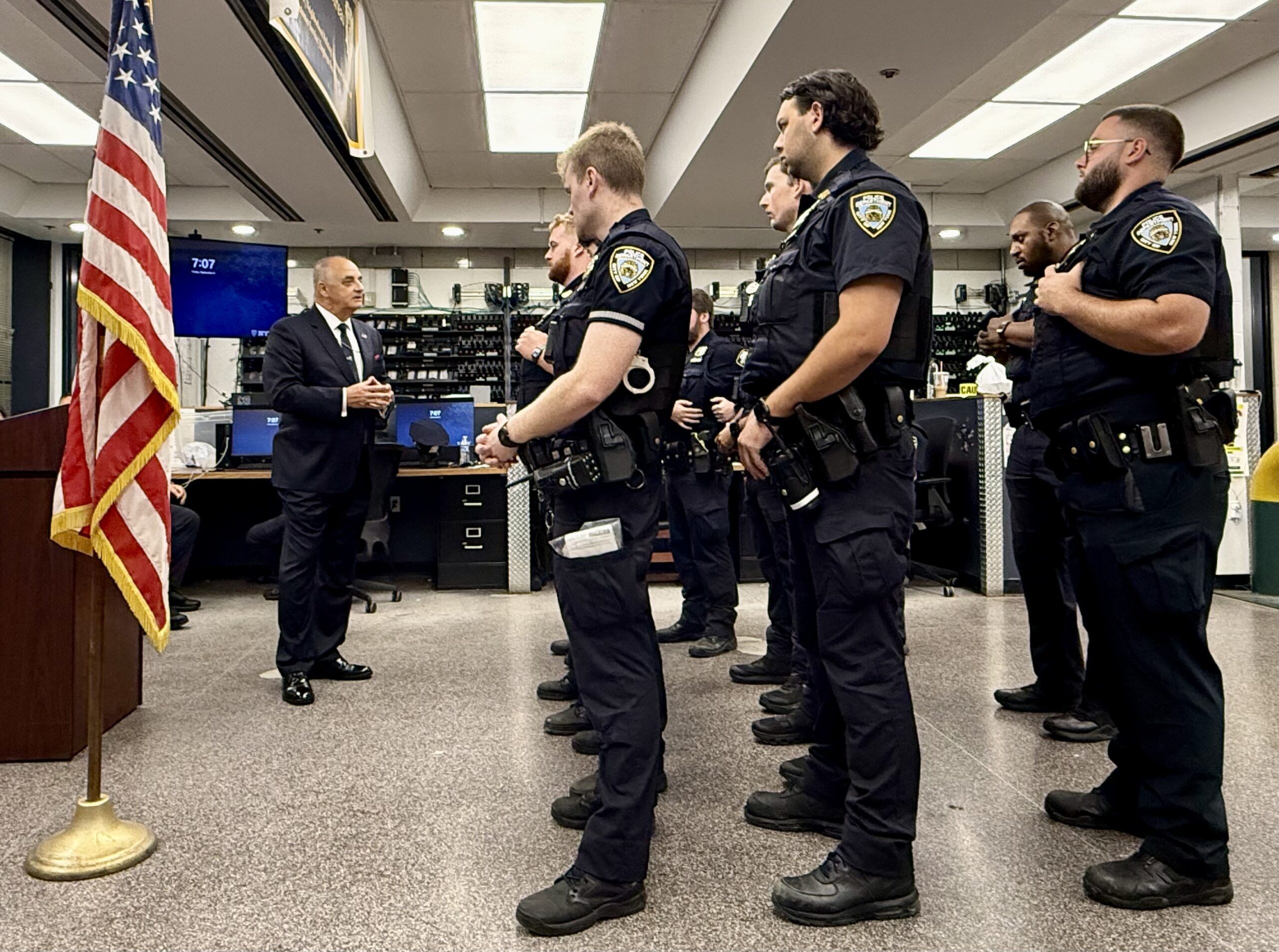
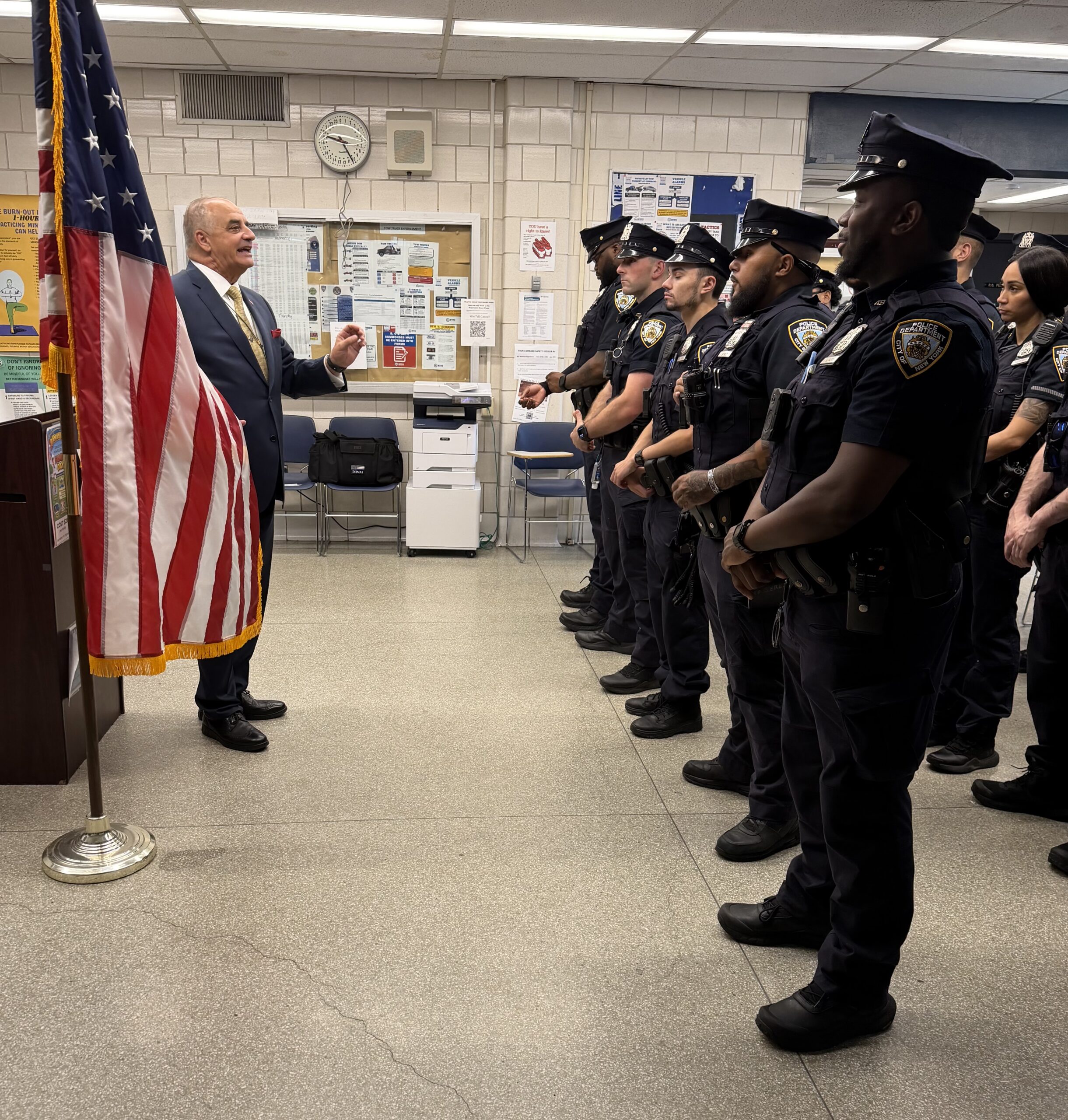
(Credit: NYPD for Reawakening America LLC)
A police department is not responsible for creating the conditions that produce social fragmentation, substance abuse, exploitation, or human suffering. Yet officers are frequently among the first public representatives to encounter their visible consequences. As a result, modern policing increasingly requires leaders who possess not only technical competence and operational readiness, but also judgment, restraint, ethical discipline, and the capacity to preserve legitimacy under conditions of uncertainty.
American history suggests that periods of significant change do not eliminate the need for principle; they increase it. The central question confronting 21st-century policing is therefore not whether institutions possess sufficient capability to respond to modern conditions, but whether those entrusted with authority remain disciplined enough to exercise it in ways consistent with constitutional government, public trust, and human dignity.
The Modern Operating Environment
The responsibilities inherited by the modern police officer differ in important ways from those examined in earlier periods of American history. Previous generations confronted visible conflicts, identifiable adversaries, and challenges that were often geographically defined. Contemporary public safety environments are frequently less predictable, more interconnected, and increasingly shaped by conditions that extend beyond traditional understandings of criminal conduct.
Modern policing continues to address violent crime, disorder, and threats to public safety. At the same time, officers increasingly encounter circumstances involving behavioral crisis, substance abuse, exploitation, social fragmentation, technological acceleration, and individuals experiencing profound forms of personal and community instability.
Many communities continue to experience the visible effects of addiction, violence, mental illness, homelessness, exploitation of vulnerable populations, crisis environments, and conditions that often reveal themselves first in homes, schools, workplaces, public spaces, and neighborhoods. These realities do not appear uniformly, but they increasingly shape the operating environment inherited by public safety professionals.
A single incident may require elements of crisis management, constitutional judgment, communication, investigative competence, interagency coordination, technological awareness, and attention to human vulnerability—all within compressed periods of time and often under substantial public visibility.
This complexity does not eliminate the central obligations of policing. If anything, it reinforces them. Periods of uncertainty have historically increased the importance of disciplined leadership rather than reducing it. Complexity may be the very condition that tests whether principles are genuine.
Technology, Authority, and the Discipline of Leadership
The relationship between technological advancement and public authority is not unique to the present era. American history repeatedly demonstrates that periods of innovation generate renewed questions concerning limits, responsibility, and legitimacy.
Contemporary policing functions within environments influenced by digital communication, expanded access to information, analytical technologies, rapidly developing forms of artificial intelligence, and public expectations shaped by immediacy, visibility, and constant connectivity.
Such developments should not be understood primarily as a challenge to policing. They reflect broader changes affecting governance, public accountability, and social expectations.
Within public safety, however, these changes carry particular significance because policing occupies a position where governmental authority and individual liberty interact directly.
American constitutional traditions remain instructive. Authority should remain accountable, discretion should remain disciplined, and institutions derive legitimacy not solely from legal power but from responsible exercise of that power.
Technology may improve preparedness, awareness, and decision support. At the same time, technological capability does not eliminate the need for judgment, ethical restraint, or respect for human dignity.
For contemporary policing, the more enduring question concerns whether leadership remains sufficiently grounded in constitutional principles to ensure that expanding capability remains subordinate to human judgment rather than replacing it.
That obligation extends beyond technical proficiency. It requires intellectual discipline, ethical maturity, professional restraint, and sustained commitment to preserving public trust.
A Generation of Change
Historical periods are often easier to identify after they have already unfolded.
The generations examined throughout this series are now described through familiar historical periods and defining events. Those who lived through those transitions, however, rarely experienced them as history in real time. They experienced them as changing expectations, expanding responsibilities, and institutions adapting to new realities.
The evolution of public safety over the last three decades reflects a similar pattern.
In the late twentieth century, much of the national conversation surrounding policing emphasized community engagement, crime prevention, public education, and strengthening relationships between institutions and the communities they served. Community policing initiatives, neighborhood partnerships, fraud prevention, public awareness efforts, and bridge-building between police and citizens reflected the understanding that legitimacy and trust remained essential to public safety.
Those priorities did not disappear.
They expanded.
As public safety environments evolved, additional concerns emerged that altered expectations placed upon public institutions and those entrusted to lead them. School violence reshaped conversations concerning prevention, preparedness, warning signs, and institutional responsibility. Workplace violence increasingly required multidisciplinary planning and organizational readiness. Terrorism further expanded expectations involving emergency planning, crisis management, continuity preparation, prevention, and resilience.
As public safety environments continued to evolve, additional responsibilities emerged in areas that previous generations rarely considered central to routine preparedness. Protecting soft targets and locations traditionally associated with openness and community trust became a growing priority. Schools, workplaces, public gatherings, and houses of worship became areas of growing concern requiring stronger collaboration among law enforcement, security professionals, civic institutions, and community leaders.
This shift reflected more than changing threat environments. It illustrated how prevention, preparedness, resilience, and public confidence increasingly became shared responsibilities extending across institutional boundaries and requiring sustained partnership long before crises occur.
Questions surrounding institutional trust and legitimacy also became increasingly prominent. Violence directed against police officers continued to remind communities that public service has never existed without sacrifice or risk. Greater attention was directed toward officer wellness, resilience, morale, emotional fortitude, and the recognition that ethical leadership could not be separated from organizational health.
Resilience extends beyond sworn personnel to include civilian employees and the families who stand behind those who serve, for they too experience the stresses, uncertainties, sacrifices, and quiet burdens that accompany a life of public service.
At the same time, the methods through which public institutions communicate underwent substantial change.
Where earlier periods relied primarily upon community meetings, educational outreach, traditional media, and direct public engagement, contemporary policing increasingly communicates within environments shaped by digital platforms, immediate public visibility, and continuous information exchange. Public agencies now operate in ways that frequently require simultaneous attention to communication, transparency, public reassurance, officer recognition, public education, and maintaining confidence during periods of uncertainty.
These developments did not replace earlier responsibilities. They expanded the environment in which those responsibilities are carried out.
The profession did not move from one era of responsibility into another by leaving previous expectations behind.
Responsibilities accumulated.
Community trust remained essential even as preparedness expanded. Crime prevention continued while concerns involving violence, crisis response, and institutional resilience intensified. Emergency planning became more sophisticated while expectations surrounding public communication and leadership became more immediate.
Viewed across a generation, the changes appear substantial.
Yet what is perhaps most striking is not how much changed, but how much remained recognizable.
The operating environment evolved.
The underlying obligations endured.
The Vigilant Protector
The historical periods examined throughout this series illustrate recurring questions concerning leadership, legitimacy, sacrifice, and the responsible exercise of authority. Although circumstances changed, periods of uncertainty did not diminish the importance of principle; they intensified it.
Modern policing increasingly operates within environments shaped by technological expansion, heightened public scrutiny, social complexity, evolving threats, and conditions that frequently place officers in direct contact with crisis, vulnerability, and competing expectations.
The responsibilities entrusted to officers extend beyond enforcement alone. The exercise of discretion, preservation of public confidence, constitutional responsibility, and protection of human dignity remain central obligations of democratic public service.
Contemporary officers now encounter conditions shaped by addiction, mental illness, homelessness, violence, exploitation, social fragmentation, and other forms of vulnerability extending beyond traditional categories of criminal conduct. Police departments did not create these conditions, yet officers are often among the first public representatives to encounter their consequences.
Recognizing these realities does not require abandoning constitutional restraint, nor does it transform policing into a substitute for every other institution. It does, however, require leadership capable of understanding complexity without surrendering principle.
The central challenge facing 21st-century policing is therefore not simply maintaining order within increasingly complex environments.
It is preserving legitimacy while doing so.
That obligation may now appear in forms different from those inherited by previous generations, yet its foundations remain recognizable.
Public trust must still be earned.
Authority must still remain accountable.
Human dignity must still remain protected.
Vincent J. Bove for Law Officer
Selected Resources
Operation Sacred Shield™: Protecting America’s Houses of Worship in a Vulnerable World
Protecting Houses of Worship Through Preparedness, Partnership, Prevention, and Community Resilience
https://www.lawofficer.com/operation-sacred-shield/
Preventive Leadership & Human Encounter Model™
Leadership, prevention, and building stronger public safety cultures through proactive engagement and ethical responsibility
https://www.lawofficer.com/preventive-leadership/
The Vigilant Protector and Emerging Technologies
Examining the expanding role of technology, preparedness, human judgment, and constitutional restraint in contemporary policing
https://www.lawofficer.com/the-vigilant-protector-and-emerging-technologies/
Explore the Full Law Officer America Series
The American Standard: A Leadership Series in 21st-Century Policing
Six-part special series examining lessons from American history and their continuing relevance to leadership, public trust, constitutional responsibility, and 21st-century policing
https://www.lawofficer.com/category/america/
Vincent J. Bove Law Officer Chronology
Complete archive of published articles, leadership essays, public safety reflections, and contributions to contemporary policing and organizational resilience
https://www.lawofficer.com/author/vbove/