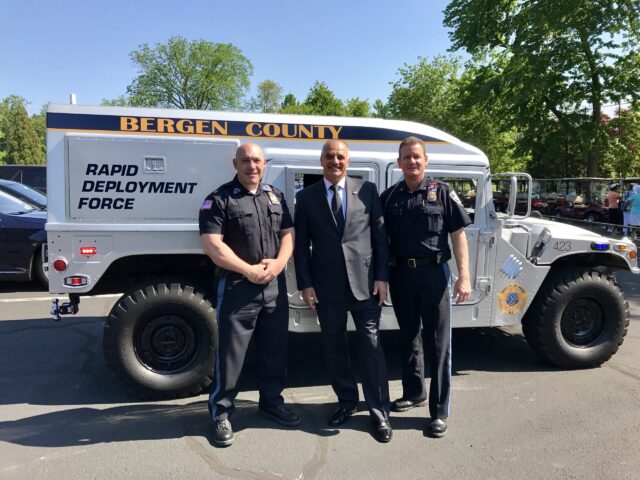
“Violence is prevented long before it manifests — not through fear, but through leadership that builds trust, respects human dignity, and intervenes with reason, presence, and vigilance.”
For over 25 years — beginning in the aftermath of the 1999 Columbine tragedy — I have studied, published on, and implemented strategies to prevent violence in schools, colleges, and campuses. Across classrooms, auditoriums, administrative offices, and law enforcement training programs, one truth is clear: violence does not occur in isolation — it emerges where grievance festers, isolation deepens, apathy prevails, and warning signs are ignored.
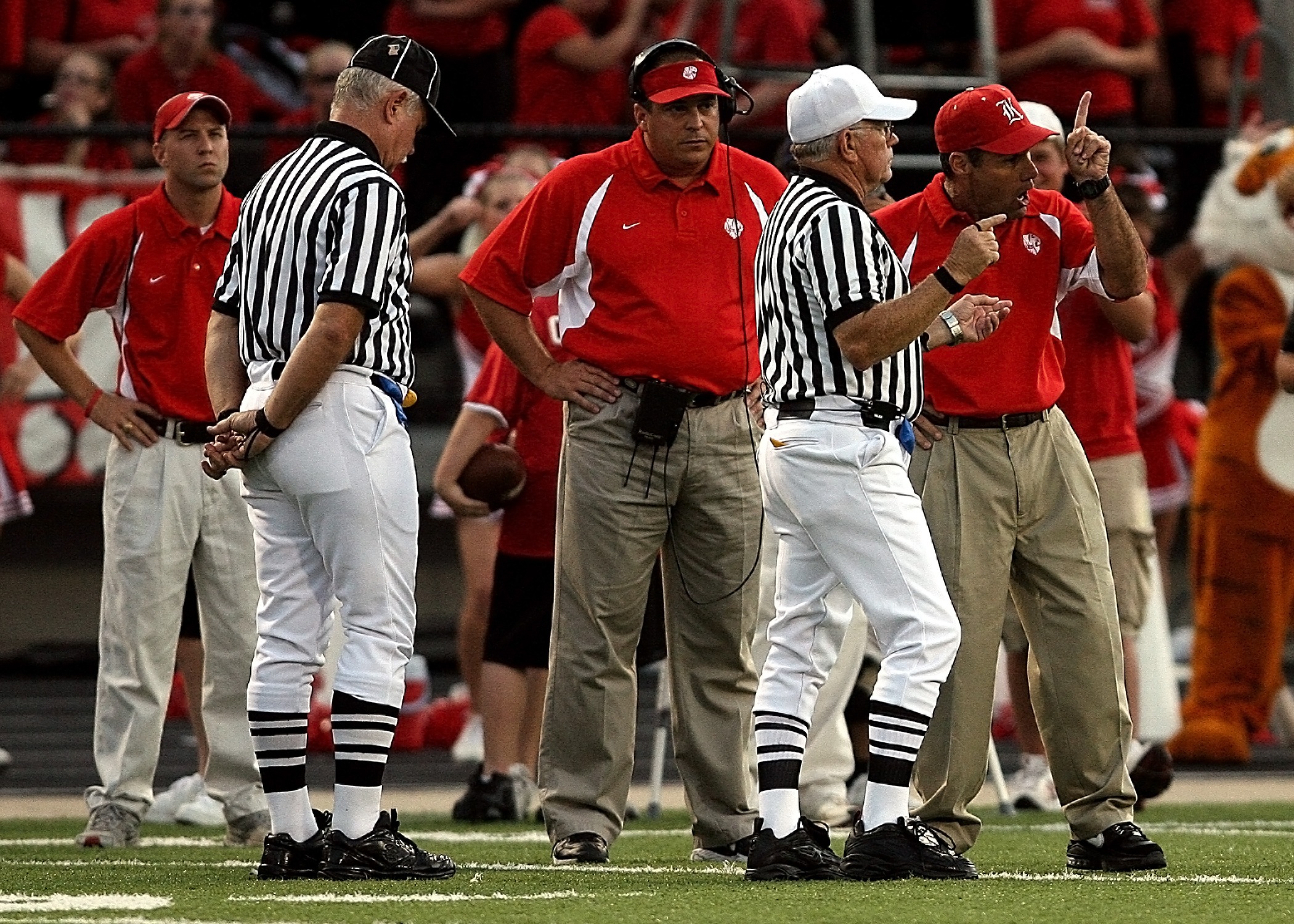
Drawing inspiration from Don Bosco, the 19th-century Italian educator whose preventive pedagogy emphasized reason, moral development, and relational presence, I developed the Preventive Leadership & Human Encounter Model™ — a secular, operational adaptation of his principles for 21st-century institutions. This model contrasts sharply with the Repressive System, which relies on rigid rules, punitive measures, and distant authority.
Preventive vs. Repressive Systems
The Preventive Leadership & Human Encounter Model™ is built on reason, ethical leadership, and authentic human encounter. Under this model, discipline is applied thoughtfully and with dignity. Leaders are vigilant, present, and actively engaged, mentoring students and staff as part of a supportive, relational environment. The result is a culture of trust, resilience, and long-term ethical development within the institution.
By contrast, the Repressive System depends on rigid rules, punitive measures, and zero-tolerance policies. Discipline under this approach is often arbitrary and focused on punishment rather than growth. Leaders maintain distance, react only after problems arise, and rely on enforcement instead of guidance. The outcome is temporary compliance at best, accompanied by resentment, disengagement, and an increased risk of escalation.
Human Encounter in Action
Leadership is not theoretical; it is practiced daily.
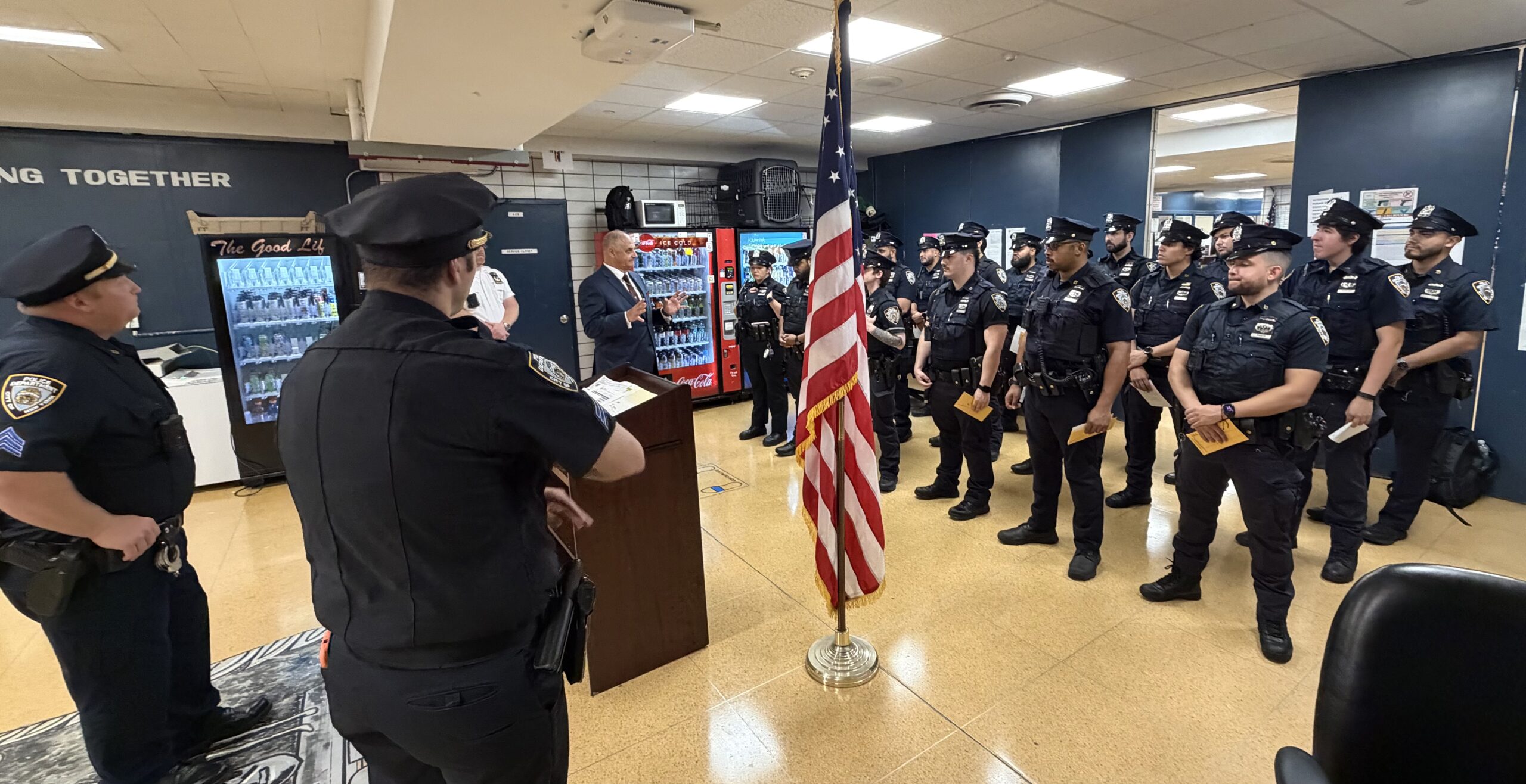
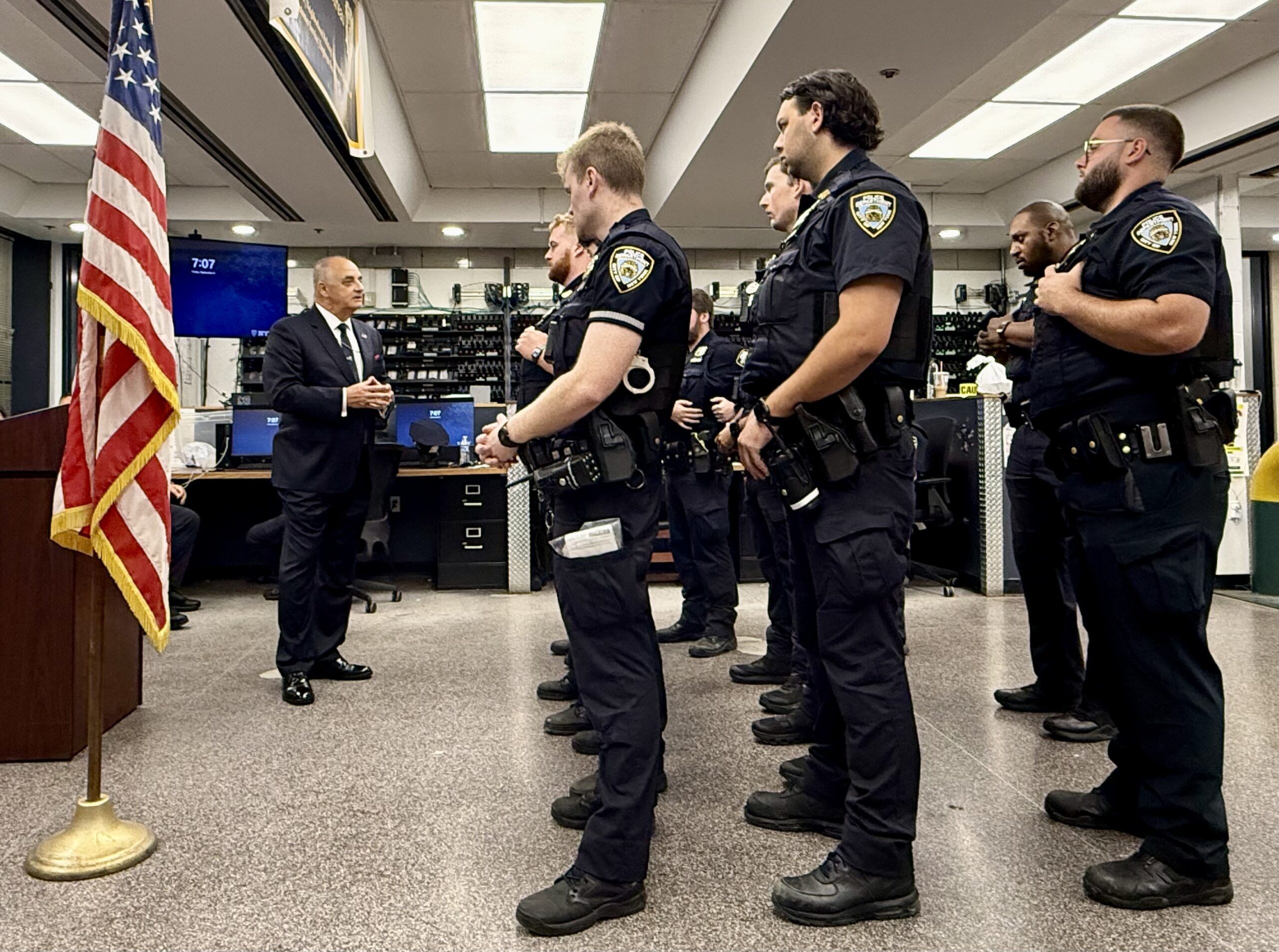
In law enforcement, I walk among officers:
– At roll calls, before and after shifts
– Circulating through the precinct, observing, listening, and engaging
– Interacting with officers as they enter or exit patrol cars, addressing concerns, reinforcing ethical standards, and building morale
Through this approach, officers trust leadership, feel supported, and act proactively rather than reactively. Leadership is earned through presence, ethical guidance, and genuine human connection.
The same principle applies in schools. Leaders are present at entrances, exits, cafeterias, bus areas, and wherever students naturally gather. This presence is relational:
– Students are treated as the heart of the school and the future of the nation — never as secondary
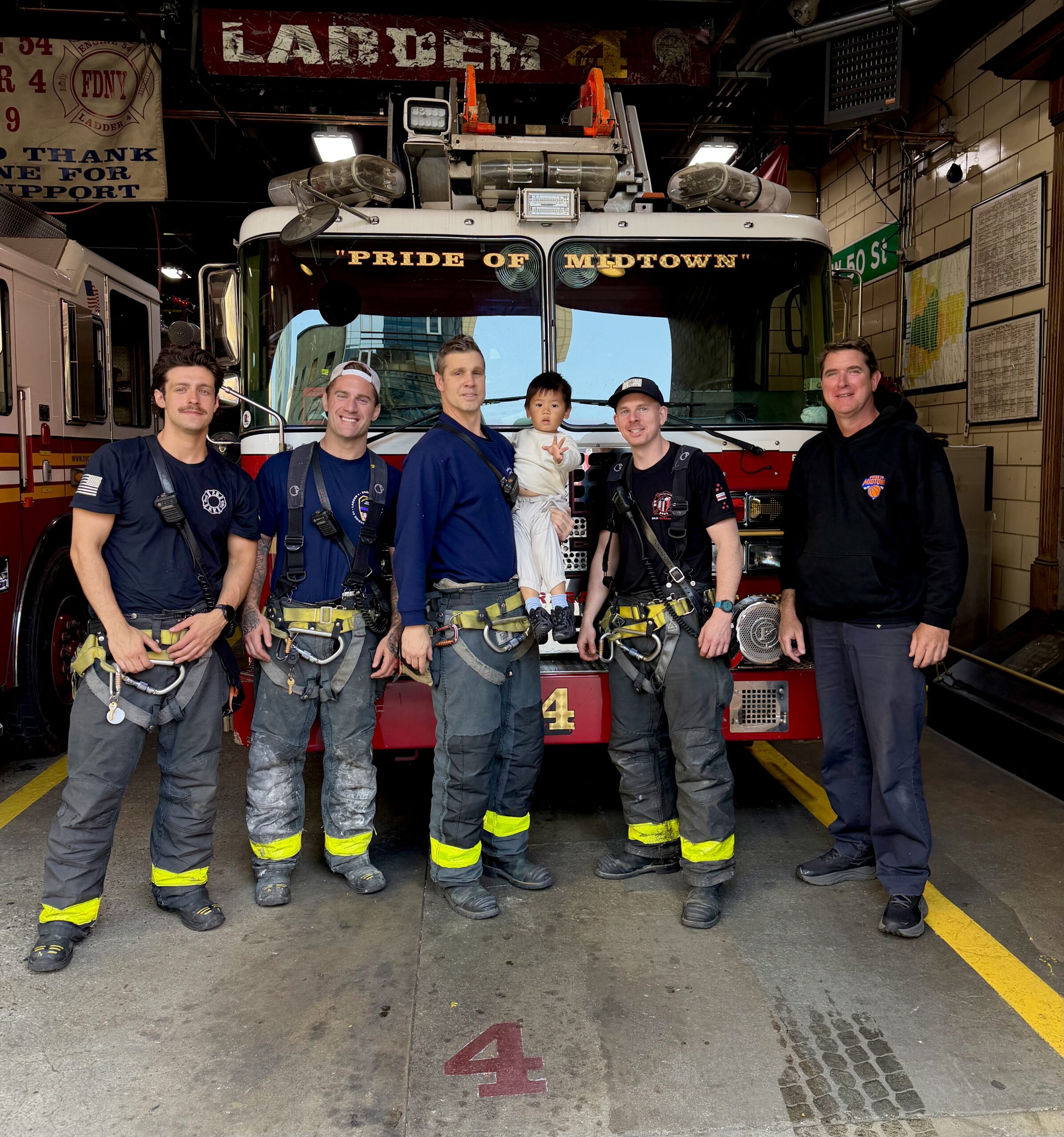
– Leaders engage with every member of the educational community: administrators, educators, staff, cafeteria workers, bus drivers, crossing guards, private security, and first responders
– Evening programs for parents ensure the entire ecosystem participates
The preventive system builds a culture of character and trust. Educators and leaders inspire admiration and respect by demonstrating kindness, patience, guidance, and reason. Its guiding principles include:
– Vigilant presence to prevent inappropriate behavior and reward proper conduct
– Measured interventions that uphold dignity, respect, and ethical standards
– Affirmation of student qualities and encouragement even when mistakes are made
– Rapid, collaborative intervention to warning signs due to the leader’s attentive presence
– Influence through professionalism, approachability, and authentic engagement
Through human encounter, leaders are approachable, available, and trusted. Their visibility allows them to identify potential issues early, intervene respectfully, and prevent escalation, all while fostering a culture of dignity, respect, and ethical conduct.
Bullying and the Abuse of Power
Unchecked bullying or abuse of power in schools, colleges, and universities can foster isolation, deepen grievances, and, if left unaddressed, lead to potentially violent outcomes.
The Preventive Leadership & Human Encounter Model™ counters these risks by:
– Exercising authority with fairness, dignity, and respect
– Engaging proactively with individuals and groups to resolve conflicts before they escalate
– Modeling ethical behavior and fostering a culture of responsibility
This culture involves every member of the school community — students, staff, security personnel, and parents alike. Through collective engagement, institutions build resilience, reinforce trust, and strengthen the ethical and social fabric that prevents harm before it arises.
Practical Steps for Preventive Leadership in Schools and Campuses
- Walk the Institution Daily (with Respect and Approachability)
- Leaders circulate as visible, trusted members of the community.
- Presence is relational: compassionate, attentive, approachable, and engaged.
- Enables early identification of concerns and fosters trust.
- Establish a Culture of Ethical Presence
- Leadership is earned through consistent demonstration of dignity, fairness, and concern.
- Students and staff respect leaders because they embody the values they teach.
- Leaders inspire admiration and model the pillars of character: respect, responsibility, fairness, and citizenship.
- Proactive Threat and Behavior Assessment
- Identify patterns of concerning behavior before escalation.
- Integrate observations from all community members: staff, security personnel, parents, and public safety professionals.
- Character-Focused Programs
- Incorporate moral development, ethical decision-making, and resilience training.
- Reinforce respect, responsibility, and accountability across the educational ecosystem.
- Reward proper behavior and encourage students even when mistakes are made.
- Bridge Across the Institution
- Align administrators, educators, security personnel, and support staff around shared principles.
- Engagement is principle-driven, not dependent on family structure or external support.
- Rapid, Respectful Intervention
- Act swiftly when misconduct or violence is imminent.
- Preserve human dignity while reinforcing an ethical culture.

Closing Call to Action
Schools, colleges, and universities are living communities. Safety, character, academic excellence, and security are inseparable from culture, leadership, and ethical engagement.
By embracing the Preventive Leadership & Human Encounter Model™, leaders can:
– Detect threats early and prevent escalation
– Build a culture of respect, dignity, and resilience
– Reduce violence, bullying, and harassment
– Engage every member of the educational ecosystem
– Preserve ethical standards while strengthening institutional trust
The future of the nation depends on the character, development, and security of our schools, colleges, and universities. Violence, neglect, or moral decay in these institutions threatens not only individuals but the very fabric of society.
Leadership begins with human encounter, ethical clarity, and proactive presence. Through preventive leadership, ethical engagement, and unwavering commitment to the entire educational community, we can safeguard our institutions — and, in doing so, secure the future of America.