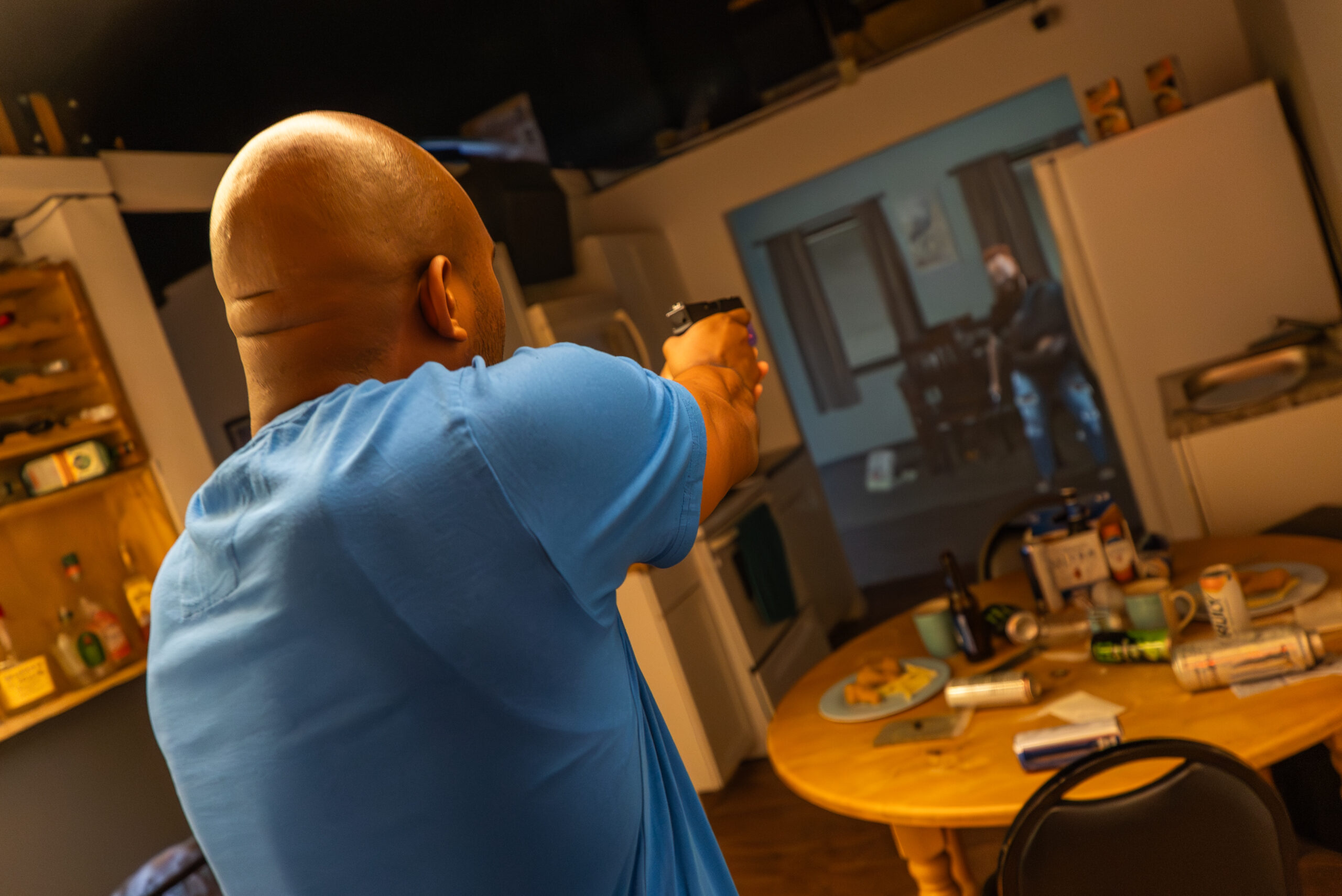
On Dec. 25, 1993, in Orange County, Calif., Daryl Robbins and his partner decide to take advantage of some down time they had compliments of the Christmas season to improve their tactical prowess. They set up an impromptu scenario to practice responses to a high-risk vehicle stop situation. During the scenario, a simulated shootout ensues between the two, and a backup weapon is used. Unfortunately for both, it's not a training weapon. Daryl Robbins dies.
This is one heart-rending example of what can happen when you set up scenario training ad-hoc. It also illustrates the added complexity vehicles bring to a scenario. Operational vehicles carry operational equipment, and in the absence of strict safety guidelines and supervision, the consequences can prove deadly.
Vehicles certainly have a place in scenario-based training, but whenever you put a vehicle into the mix, you must address a whole new set of hazards and considerations.
Safety Guidelines & Inspection Procedures
During any scenario training, safety guidelines and inspection procedures remain essential, and must be implemented by personnel specifically trained to do so. They must inspect everyone and everything with educated eyes and trained hands.
With few exceptions over the years, our training staff regularly finds live weapons and ammunition in holsters and gear bags the trainees bringing them in were unaware of. Add a vehicle loaded with gear, and the equation gets even more complex.
Hazards & Considerations
When I travel and teach my 5 Day Reality-Based Training Instructor schools, we invariably include a scenario or two that involve vehicles. While surely incomplete, the following collection of considerations will hopefully keep you from experiencing some of the lessons learned by others, myself included.
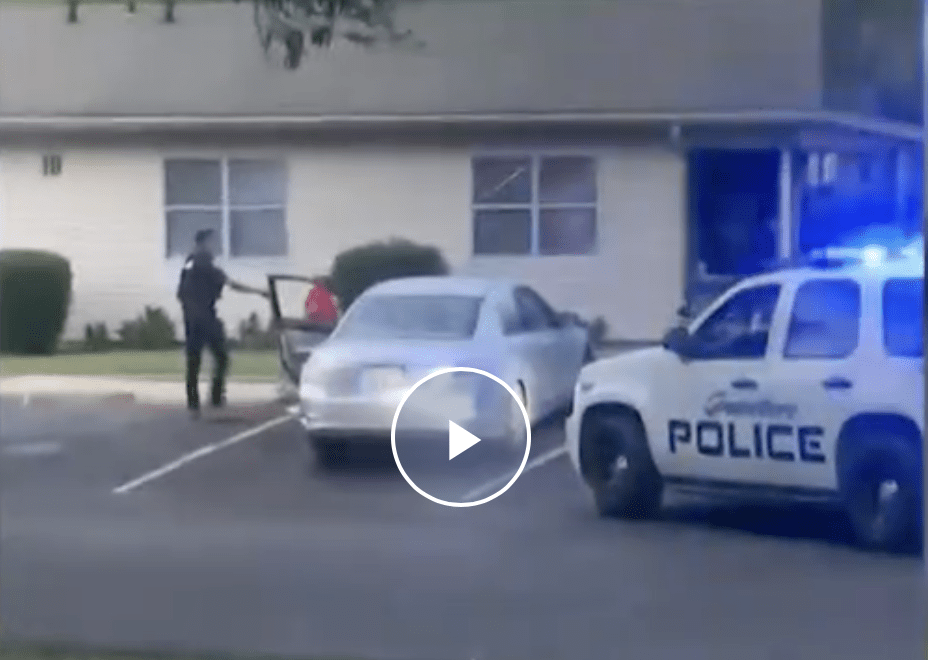
1. A vehicle in motion tends to remain in motion unless put in Park. Stress does interesting things to people, including interrupting behavior patterns. In a number of training situations, students have bailed out of vehicles before they put them into Park. Predictably, such vehicles continue to move forward if the selector remains in Drive, and backward if the student inadvertently places it in reverse while searching for Park. Training participants have been run over by vehicles moving in either direction, and once the driver has departed the vehicle, it often proves difficult to reenter it until it actually comes to a halt, usually after hitting something or someone.
2. As a corollary to the vehicle-in-motion discussion, force-on-force scenarios that begin with a high-speed chase have led to traumatic results. Unintentional rammings are quite commonplace, as are the resultant airbag deployments. Even if there is no injury to personnel, try explaining a $600 airbag replacement or $1,500 body-shop outing to your funds-conscious supervisor.
3. Operational vehicles offer an amazing number of places to hide operational weapons; such weapons enter into scenarios far too often.
4. Training ammunition can destroy mirrors, taillights and windows. It can dent body panels. Marking substance often proves difficult to remove completely from upholstery.
5. Interaction with role players through the vehicle with the officer in an interview position and the role player inside the vehicle can lead to unintentional injury in the event the situation deteriorates into an altercation. Arms have been broken and shoulders dislocated, pistol barrels have been thrust into the heads of participants, officers have been dragged when the role player decides to take off with the officer still hanging on, etc.
To my mind, you must use vehicles in the training scenarios you create to mimic real-life situations that normally include vehicles. But I'm a firm believer that for the vast majority of scenarios, metal-in-motion is usually unnecessary to accomplish many of the training goals. As a general rule, don't mix high-speed vehicle training with force-on-force scenarios unless you have specialized facilities, specialized vehicles and highly trained and plentiful training staff.
When properly done, some pretty cool training can be accomplished, such as that found in some of the specialized driving schools like Gryphon Group Security Solutions and the Tony Scotti's Advanced Driving and Security school. In schools such as these, students use a building-block approach to learning defensive and offensive driving techniques that culminate in high-speed chases, roadblock ramming, PIT maneuvers, emergency egress procedures under fire, etc.
However, such training must occur under the direction of highly skilled training staff under tightly controlled conditions. Failure to do so could prove extremely dangerous, if not fatal. It's beyond the scope of basic EVOC instructors. When it comes to high-risk driving techniques, know your limitations honestly.
For the more banal uses of the vehicle in training, the following guidelines should help cut down on the potential hazards:
1. Write your scenario with specific beginning and ending points that do not require vehicle movement, or alternatively, if the vehicle must move, ensure it won't move again once it's parked until the scenario's conclusion.
2. Keep an instructor inside the vehicle with a student any time the vehicle moves, and direct that instructor to ensure the vehicle is in Park before they exit the vehicle.
3. Search all vehicles yes, even dedicated training vehicles prior to using them in any type of force-on-force training (see "Vehicle Inspection Checklist").
4. As in any other scenario, tightly script the role players to minimize any potential damage to either the role player or the student due to physical confrontations that might otherwise occur inside or through the vehicle.
5. Never allow the role player to drive off during a scenario when a nearby student might do something stupid and come into contact with the moving vehicle.
6. Never allow the role player to drive off when the possibility exists the student could begin to pursue the role player in their own vehicle. Stop the scenario if the student begins to initiate a vehicle chase.
7. If the scenario includes projectile-firing training weapons, use vehicles protected from harm by protective coverings (e.g., Plexiglas over mirrors, taillights or windows) or vehicles you can damage (i.e., specialized training vehicles dedicated to scenario training).
8. For any live-fire drills (not force-on-force, obviously) that use vehicles in a range setting, use dedicated vehicles that won't generate any organizational angst if they take the occasional bullet. Donated, barely running vehicles or those at the end of their departmental life are perfect for this sort of thing.
9. Practice-run everything 10 times, with different people prior to putting an exercise into use. You will be amazed at what you never expected to happen, happening.
10. Ready an emergency medical plan in case something goes seriously wrong and an injury occurs.
Summary
Just as shooting under only daylight conditions does not prepare officers for the majority of shootings in which they might be involved, failure to include vehicles in training scenarios does not provide valuable and life-saving experiences. So, use your vehicles, but use them wisely. Avoid learning tragic lessons by accident.
Until next time, train hard and train safe.
Vehicle Inspection Checklist
1. A safety officer must physically inspect all vehicles used in training. The safety officer must visually and physically inspect:
- Driver and passenger compartments;
- Consoles and glove boxes;
- Storage pockets on doors and seats;
- Underneath floor mats and on top of visors;
- Between and beneath seats;
- Weapons racks;
- Trunks;
- Underneath dashboards;
- Any other area the vehicle owner suggests they habitually place weapons in; and
- Vehicle contents, including clothing, boxes, etc.
2. Remove or otherwise render inaccessible all weapons and ammunition located in the vehicle. You can lock weapons and ammunition in compartments that remain inaccessible to participants during the training, provided the compartment is:
- Lockable;
- Not located in the front passenger compartment or the rear passenger compartment if people will occupy them during training; and
- Clearly marked to indicate it contains dangerous items.
Inform all participants there are live weapons and ammunition inside that locked compartment. No one should access the compartment for any reason during the training session without direct supervision by the safety officer or their designee.