There is a point in your life, and career as a police officer where you may need to find a therapist. First it is ok! Finding the right therapist is almost as important as finding the right soul mate. Not all therapist are equal. Here are some things that you, as an officer, should look for in finding a therapist. The most important thing is finding a therapist that matches the mental health issues that you are combating. Discussing some common things you will experience in “hunting” for a therapist will hopefully make it easier for you to reach out to find help.
After you have made the decision to find a therapist, you must conduct your due diligence to determine that the therapist meets what you are looking for in a professional to provide support to you. First conducting a google search, or using a professional search tool is one way to find a clinical professional. There is of course a variety of web-sites and providers that specialize in law enforcement/first responder clinical therapy. From there conduct research on the therapist. As an example in my home state of Minnesota, there is less than 20 or so professionals who have first responder/law enforcement experience (in-the field). That doesn’t mean there aren’t other professionals out there who are law enforcement adjacent who can understand and provide support.
If you select a therapist who is out of the law enforcement profession one consideration is to explain the unique and unspoken understanding of the profession, so the universal professional cop language, and humor doesn’t need to be explained, and or worried about.
If you select a therapist who has not direct law enforcement experience talking about death, criminals, being DRT, or things that are cleared by God might fall on deaf, confused or troubled ears. This goes to part of creating a positive therapeutic alliance with the therapist.
Another common fear, and frustration expressed by cops seeking therapy is the therapist doesn’t have life experience. While I agree with this statement, in part, I disagree in part (like a good court decision), just because they don’t have the life experience doesn’t mean they can’t provide you support. The primary take away from this is you finding a therapist is like finding a good pair of boots. Sometimes the first pair doesn’t work, but you need boots to work, and you have to take the time to find the right pair. Oddly enough, if there are officers and supervisors that you “trust” with this information you can ask for a referral.
Understanding academic and licensing credentials is also important. Reading and understanding basic theoretical orientation is also key. In Minnesota and most states to be a licensed/or clinical professional you need to achieve at base a masters degree in one of three disciplines: marriage and family therapy, psychological services/counseling, and social work.
Additionally a therapist can have a PSY’D, PHD or other appropriate academic credential that makes them a licensed psychologist. Each of the aforementioned degrees, and educational tracks provided for an educational foundation that is just as much different as they are similar. There is also therapeutic alignment or theoretical orientation. There are those that believe in family systems, systems focused, Rogerian, DBT, CBT, and ACT.
What does this really mean to you as a future client? I would argue not much, with the exception that one is focusing on “systems” and the other is focusing more on the individual. These are both valid theories, and approaches but can be telling to how the therapist is going to approach therapy and your growth/change journey. Also couples therapy is different than individual therapy.
I provid couples/and individual therapy. In couples therapy, I focus on making the couple a better functioning unit working on communication, and other aspects that impact the couple. With individual therapy, the individual is key, so I personally approach it with addressing challenges, looking at assumptions, behaviors, habits, and specific diagnosis. For example if someone is expressing anxiety, the approach is going to be different than one who is struggling with an autism disorder.
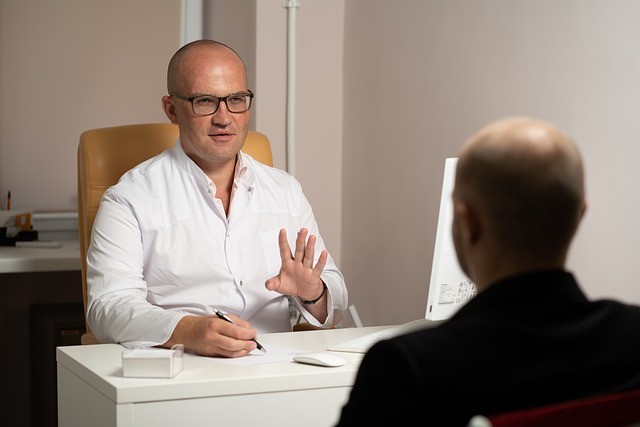
After you have selected a therapist, there are some common steps in the process to starting therapy. The first is generally the first appointment at least may not feel like therapy because the purpose is to conduct a diagnostic assessment. Consider this akin to a call for service, the therapist is collecting information to triage your issues. Some of the questions are personal, and some aren’t. Some may seem silly, but the therapist is doing it because that is information they need to help (1) shape therapy, (2) Diagnosis condition, and (3) help you as the client. For example I always ask clients how long it takes them to fall asleep once their head hits the pillow. The answer shapes how I address both short and long term goals related to therapy.
Sharing information with a therapist is just like sharing information with a doctor, information is protected, and confidential. There are rare exceptions to violating HIPPA, and confidentialities of the client. The first is the general duty to warn, the second is any violation of potential child protective matters, and the third is if the client is in an active state of being a danger to self in others (aka killing themselves).
As a client, and consumer it is ok, for you to interview the therapist. There are certain questions a therapist might not answer, but if you don’t ask you will never find out. One of the things in finding a law enforcement therapist is understanding the therapist history, background, and experience with the profession. You are looking for veracity, candor, and brother in arms…someone that was or has been in the profession. Asking questions related to training, education, focus and history is all appropriate and reasonable.
The biggest determinant of success is the alliance. You might also ask if there is homework, (yes I give homework. I am not going to work harder than you in therapy. If you only come to the sessions for 50+ minutes and do nothing else, are you really making progress? However progress for everyone is different. Progress for someone with anxiety is different than those in a marriage that is falling apart.
If you need help, reach out to find someone. If there is anything that I can do to help you through the journey, please reach out. If you call me from another state, I have no clinical standing there. if you are calling within the boundaries of Minnesota, I am allowed to provide a little more information and support depending on what you are asking for, the biggest thing is get help.