Domestic violence is not a private matter. It touches children, families, schools, workplaces, houses of worship, and entire neighborhoods.
Headlines continually illustrate the stakes — officers responding to domestic disputes risk their lives, victims are traumatized, and systemic failures often allow violence to escalate.
Early recognition, preventive leadership, and coordinated action are essential to saving lives.
Research reinforces this reality:
The National Domestic Violence Hotline reports that 1 in 4 women and 1 in 10 men experience intimate partner violence in the U.S., with ripple effects on children, workplaces, and communities.
The Mayo Clinic highlights the long-term physical and mental consequences of domestic violence, including injury, depression, and chronic stress.
The UN and U.S. Department of Justice emphasize that failures in legal, social, and mental health systems exacerbate risk and leave victims vulnerable.
Domestic violence is both a public safety and public health issue, demanding leadership that is preventive, ethical, and collaborative.
Trust and Moral Order: Foundational to Prevention
The mission of law enforcement cannot succeed in isolation. Officers are members of the community — they live, worship, and raise families alongside those they protect.
When trust and moral order weaken, warning signs are missed, prevention falters, and violence becomes more likely.
Breakdowns in the system or community — from misconduct to social dysfunction — create opportunities for harm.
Effective intervention requires unity of effort between officers and the public, coordinated through Police-Community Partnerships™, to strengthen the protective mission and ensure early intervention.
Courtroom and Systemic Challenges
Domestic violence is also a test of the broader system.
Even with a permanent restraining order in place, the presiding judge reprehensibly screamed twice in public, displaying frustration and a disregard for the gravity of the situation.
These outbursts intensified fear and trauma for the victims and sent a dangerous signal that ethical and legal norms could be disregarded.
Tragically, moments like these are not isolated. They reflect nationwide challenges, including mishandled domestic violence cases, overlooked warning signs in schools and communities, and insufficient attention to mental health issues that often precede serious escalation.
Officers and leaders must recognize these systemic gaps and act proactively to prevent tragedy.
Recognizing and Responding to Domestic Violence
Domestic violence is complex, and officers face difficult circumstances with no guaranteed solutions.
Yet informed, preventive actions can make a critical difference.
Warning signs to watch for:
- Injuries with vague explanations or repeated “accidents”
- Victims who appear fearful, anxious, or withdrawn
- Controlling or obsessive behavior by partners or family members
- Prior threats, assaults, or violations of protective orders
Practical actions include:
- Respond promptly to any signs of violence, especially where mandatory arrest laws apply
- Document observations carefully to ensure legal follow-up and protect victims
- Connect victims to trusted resources such as shelters, hotlines, advocacy programs, legal aid, and mental health support
- Coordinate safely with schools, workplaces, or houses of worship when legally and practically appropriate
- Follow up when possible; even brief contact can reduce risk and provide reassurance
- Utilize Domestic Violence Squads, where available, staffed with officers who are certified, competent, professional, and compassionate, trained specifically to manage complex domestic violence situations
These squads can provide specialized intervention and advocacy for victims and ensure that offenders are properly processed through the legal system with accurate documentation, charges, and follow-up, reinforcing accountability and public safety.
Protective orders and legal interventions help, but violations and escalation still occur. Officers’ knowledge, vigilance, and coordinated action — reinforced through Police-Community Partnerships™ — are essential to strengthen the protective mission and prevent tragedy.
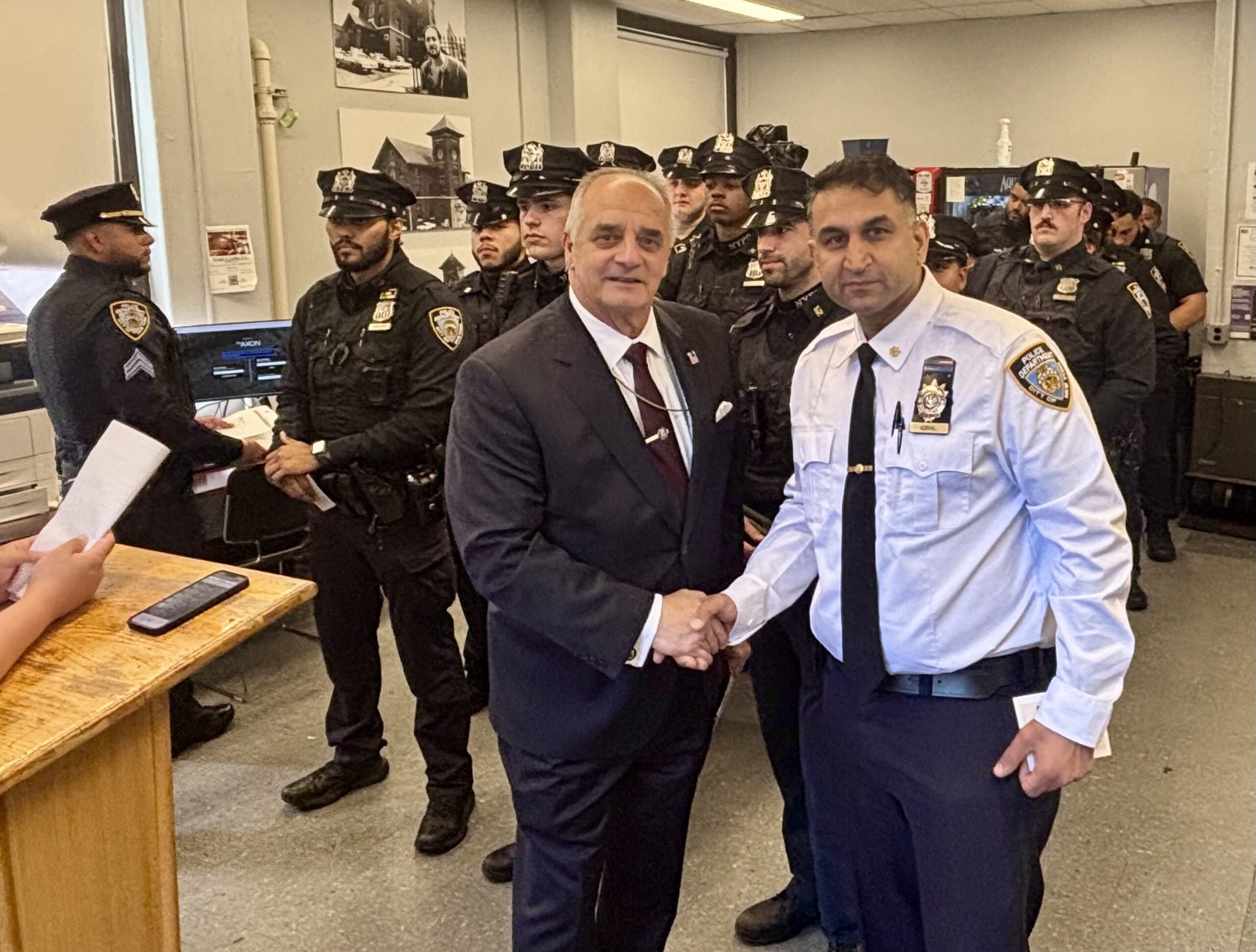
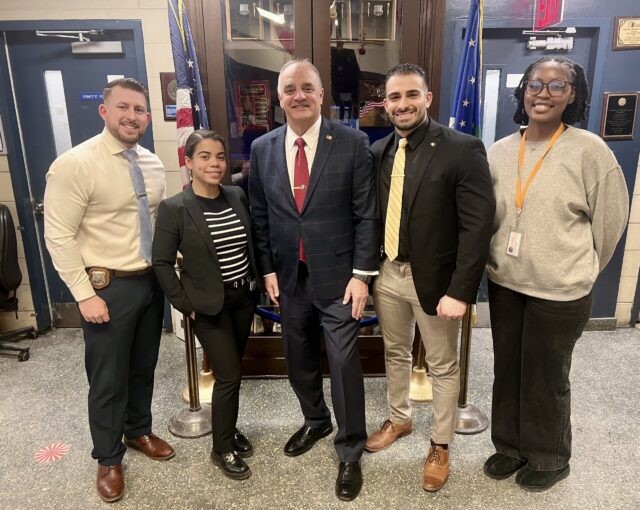
Photo suggestion: Include an image of the author with members of the Domestic Violence Squad of the 94th Precinct, reflecting shared professional dialogue and collaboration.
Prophetic Call to Action
This is a pivotal moment for law enforcement and communities. Violence does not emerge from one source alone; it grows where trust erodes and responsibility is fragmented.
The call is higher. Let integrity guide law enforcement. Let accountability strengthen community institutions. Let courage and vigilance protect the vulnerable. Let preventive leadership shape a culture of safety.
Public safety is not a slogan — it is a covenant.
Trust is not automatic — it must be earned and maintained.
Moral order is not inherited — it must be actively sustained.
We are not powerless spectators. Restoration begins with leadership, coordination, and decisive action grounded in evidence and ethics.
Through vigilance, collaboration, and the fortified framework of Police-Community Partnerships™, officers and communities together can prevent violence, save lives, and restore moral order.
Resources and References
The National Domestic Violence Hotline — https://www.thehotline.org/
Mayo Clinic: Domestic Violence — https://www.mayoclinic.org/healthy-lifestyle/adult-health/in-depth/domestic-violence/art-20048397
United Nations: Domestic Violence and COVID-19 — https://www.un.org/en/coronavirus/what-is-domestic-abuse
U.S. Department of Justice: Office on Violence Against Women — https://www.justice.gov/ovw/domestic-violence
HelpGuide: Domestic Abuse — https://www.helpguide.org/relationships/domestic-abuse/domestic-violence-and-abuse