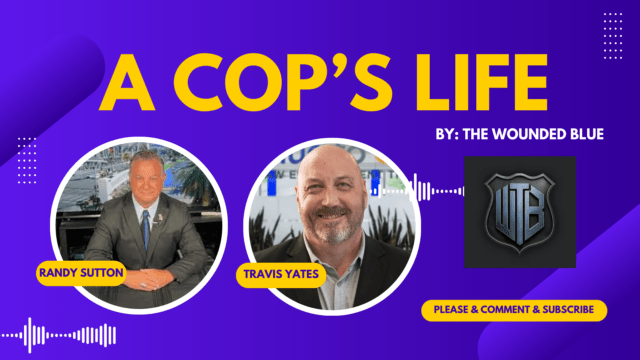
On a recent episode of ‘A Cop’s Life’ with host Randy Sutton, Dr. Travis Yates discusses some of the most important topics for law enforcement, and we thought you should hear them. Below are the key topics he addressed, along with the full episode.
The Recruitment Crisis—and a Different Way to Fix It
Recruiting isn’t a branding problem; it’s a sourcing and leadership problem. After mass hiring waves decades ago, many agencies are now facing an exodus of experienced officers, plus a collapse in new applicants. Yates co‑founded a recruiting firm, SAFEGUARD Recruiting, because traditional tactics, billboards, job fairs, and glossy branding aren’t producing officers. They have helped countless agencies across the country get back to full staffing by:
- Targeted sourcing that finds people predisposed to serve civic departments. Recruiting beats marketing every time. As Yates discussed, we recruit our police chiefs and wouldn’t dare use marketing for those positions, so why do we think it will work for the most important aspect of our departments?
- Leadership decisions to commit resources where they produce measurable hires rather than chasing impressions. Yates places the blame for the recruiting crisis squarely on the decisions that leaders are making. His company is averaging around $1000 per hire while leaders are spending millions in overtime and faulty marketing schemes.
- Retention focus—support from leaders is the top factor in whether an officer stays, above pay or benefits and unless the profession fixes retention, they will likely never catch up on recruiting.
Officer Safety and the Limits of De‑Escalation
Yates warns that the de‑escalation doctrine has been adopted widely without rigorous scientific validation. He cites a review finding that “de‑escalation training has not been subjected to rigorous scientific testing.” That gap matters because, in his analysis of recent use‑of‑force incidents and shootings, mandatory de‑escalation policies have correlated with higher officer injuries and increased use of force in the jurisdictions that report data.
Key findings Yates emphasizes:
- Most critical encounters show pre‑attack indicators before violence begins. Recognizing those cues is crucial, and officers who don’t act on those cues are the ones being attacked.
- In incidents where officers were shot or shot at, noncompliance with first commands was present in every case Yates reviewed and the failure to address this non-compliance is the leading cause of officer injury and deaths.
- When officers had advance warning that a call was high-risk and the subject failed to comply, continuing to prioritize time and talk increased the danger dramatically.
Yates reiterates that de‑escalation has a place in law enforcement, but not at the expense of officer safety when indicators point to imminent violence. Training must teach the detection of pre‑attack behavior and decisive, proportionate responses. Yates has built training that has already saved lives, and his FOCUS Training provides a level of safety we encourage everyone to seek.
Leadership, Politics, and Who Holds Police Accountable
Yates points to a structural problem: many police chiefs are political appointees who must appease elected officials instead of focusing solely on crime and officer safety. That dynamic discourages leaders from pushing back on ill‑informed policies and creates incentives to manipulate metrics rather than address root causes.
Sheriffs, who answer directly to voters, often behave differently. Because their survival depends on public safety results, they can provide alternative models for accountable leadership that prioritize effective law enforcement.
Practical Steps for Officers Today
Yates offers direct, actionable advice for line officers:
- Pursue state‑approved training that emphasizes survival, threat recognition, and validated tactics—even if that training is not prioritized by your agency.
- Document and use state‑approved training to support your reporting and court actions, if needed.
- Prioritize personal health and family. Not every department is the right fit—choose one that supports you.
Conclusion
Fixing what’s broken in policing isn’t about slogans. It requires clear data, better training that recognizes human behavior and pre‑attack indicators, bold leadership willing to speak truth to political forces, and recruitment strategies that match people to the mission. When leadership supports officers and training prepares them for real danger, lives on both sides of the badge are saved.