Opening Perspective
In the 21st century, policing will succeed or fail not because of technology, policy, or tactics—but because of ethical leadership.
Law enforcement officers today operate in an environment defined by evolving threats, intense scrutiny, and growing complexity. Communities expect professionalism, fairness, restraint, and compassion, while officers confront violence, uncertainty, and human tragedy.
Yet beneath these pressures lies a deeper truth that ultimately determines the future of the profession: character and ethical leadership.
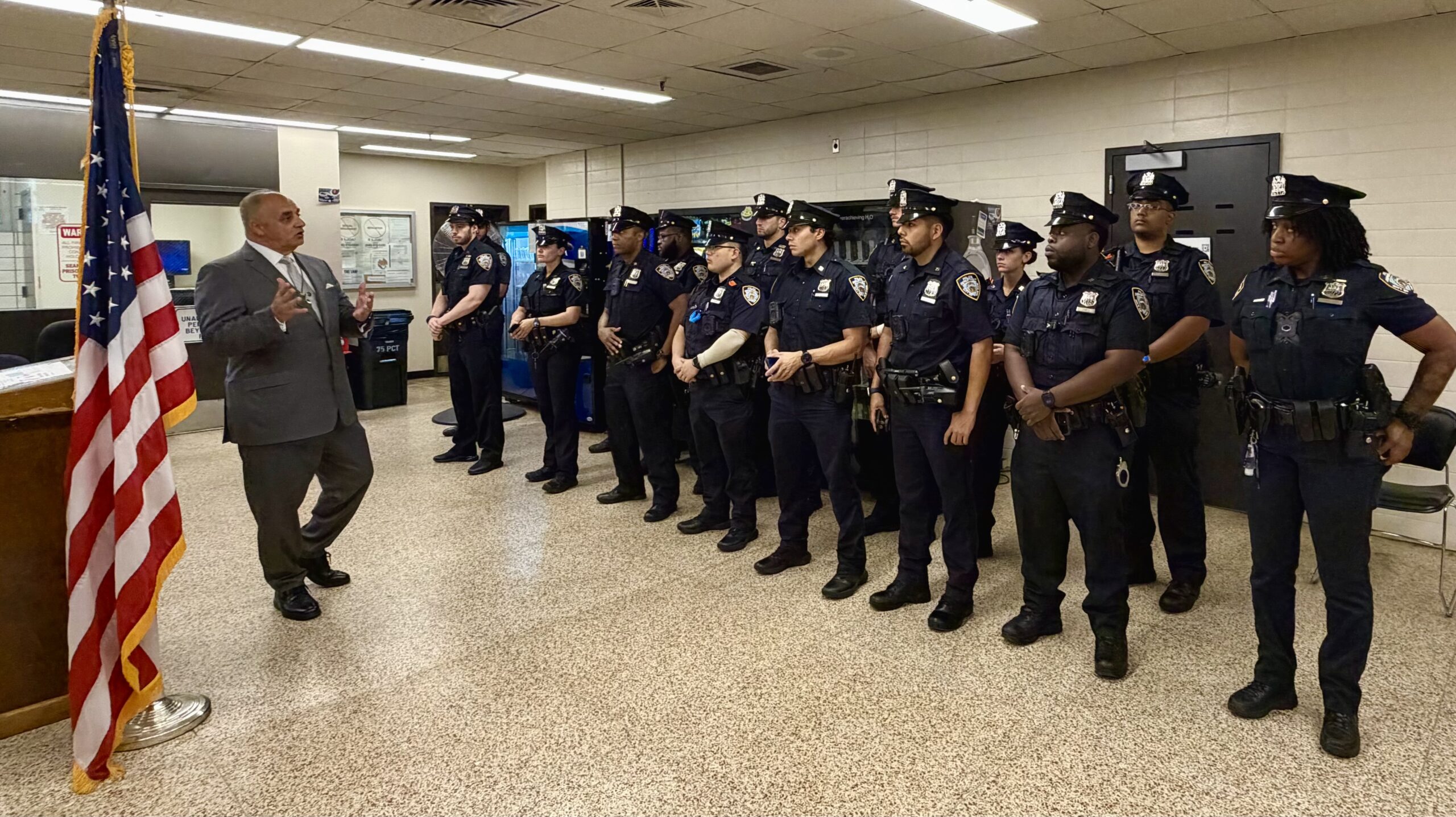
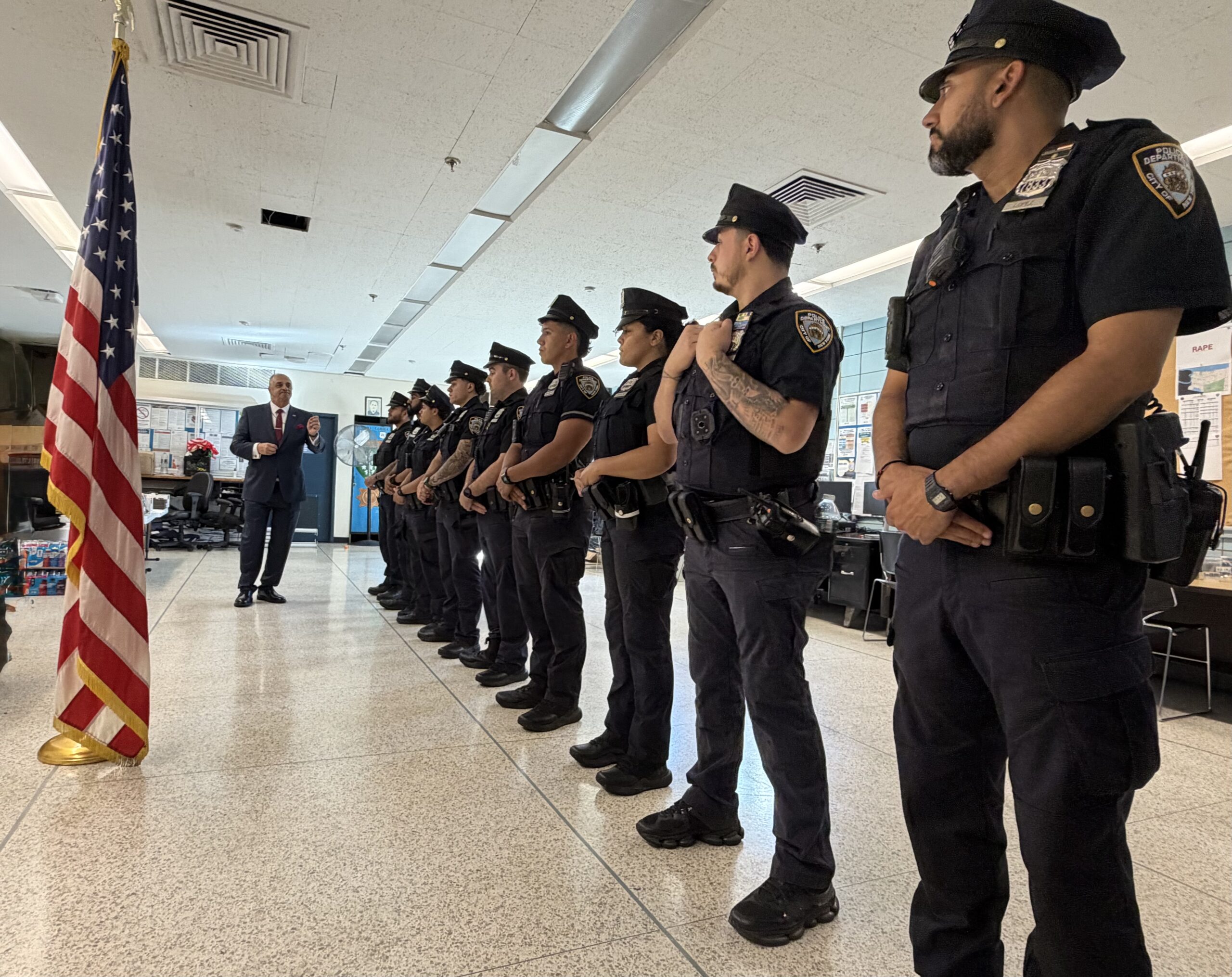
Across a series of leadership articles published in Law Officer—including The Ethical Leadership Doctrine for Policing, Sustaining Ethical Leadership, Ethical Leadership, Courage, and Resiliency: Brooklyn’s NYPD 94th Precinct, Leadership Beyond Resilience, and Leadership Beyond Resilience: Raising the Bar through Ethical Law Enforcement Mastery™—several enduring principles consistently emerge.
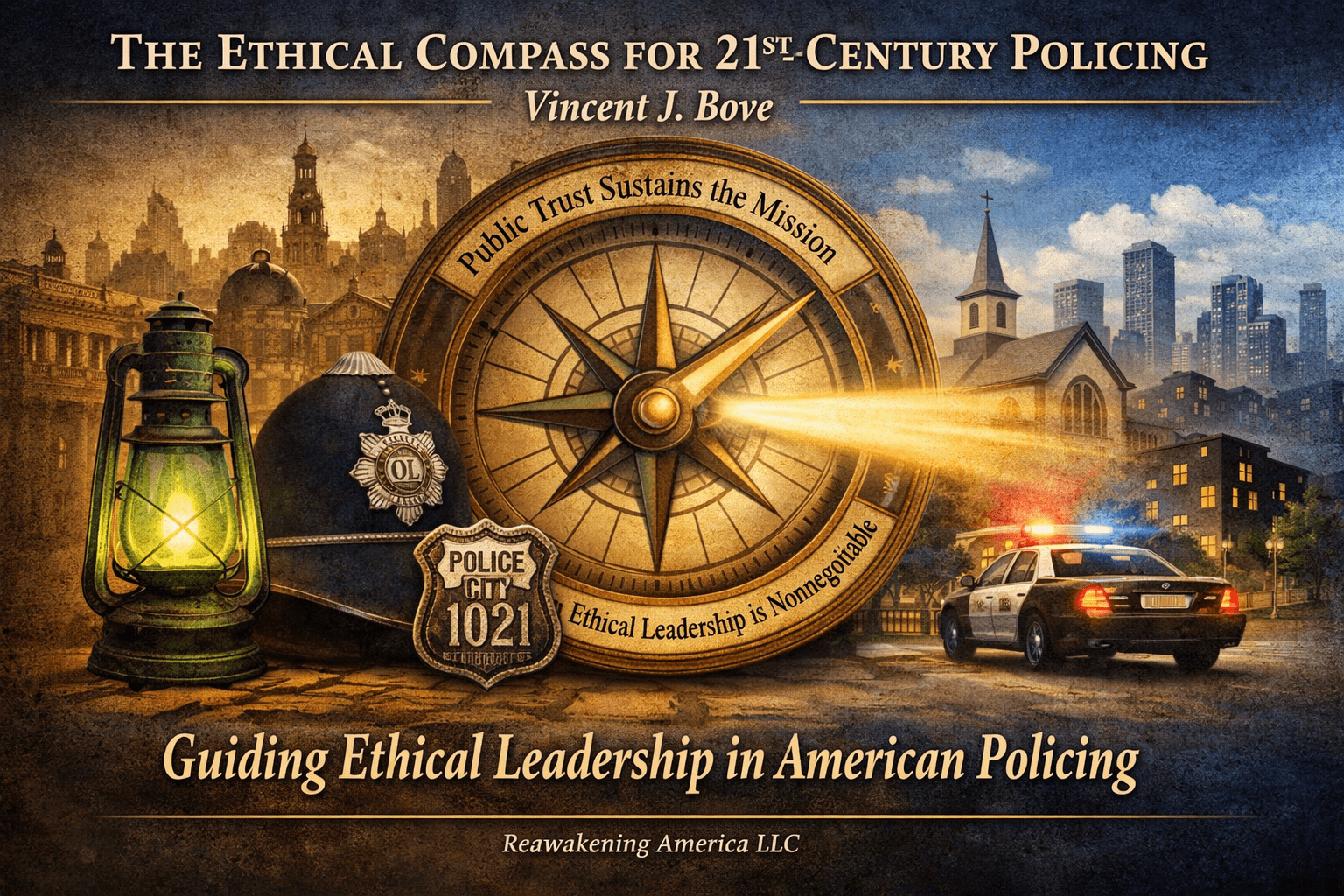
Taken together, these ideas form what can best be described as an ethical compass for modern policing—a framework that guides officers and leaders when conditions are uncertain and the stakes are high.
The Moral Foundation of Policing
Every enduring profession rests upon a moral foundation. In policing, that foundation is character.
Before authority is exercised and decisions are made under pressure, the individual officer must possess the qualities that sustain ethical judgment: integrity, discipline, accountability, and respect for human dignity.
These principles echo the historic foundations of modern policing shaped by Sir Robert Peel, whose philosophy emphasized that policing ultimately depends on the trust and cooperation of the public. The legitimacy of the police rests not on force alone, but on moral authority.
The Ethical Leadership Doctrine
In The Ethical Leadership Doctrine for Policing™, the central argument is clear: ethical leadership must move beyond theory and become embedded within the culture and daily practices of policing organizations.
The Ethical Leadership Doctrine for Policing™ transforms awareness into action by ensuring that ethical leadership is reinforced through training, mentorship, supervision, and leadership example. It affirms that ethical conduct is not simply a rule to follow, but a professional identity to embrace.
As further emphasized in Sustaining Ethical Leadership, doctrine must live within an organization’s culture. Ethical leadership must be practiced daily, modeled by supervisors, and reinforced throughout an officer’s career.
Ethical leadership is therefore not optional.
It is nonnegotiable.
Protecting the Protector
Policing places extraordinary psychological and emotional demands on those who serve. Officers routinely encounter violence, tragedy, and human suffering, yet must maintain composure in circumstances that would overwhelm most individuals. Over time, these experiences accumulate.
As explored in Leadership Beyond Resilience, leadership must go beyond encouraging resilience alone. Leaders must actively support the well-being and professional development of officers who carry the weight of public safety responsibilities.

This concept is further reflected in A Wounded Protector™ and Beacon of Ethical Policing for the Nation. The wounded protector is the officer who has endured hardship, sacrifice, and moral challenge, yet emerges stronger—serving as a mentor and beacon for others in the profession.
Such officers remind us that hardship can refine leadership rather than diminish it.
Simply stated, the principle is clear:
Protecting the public begins with protecting the protector.
Preventive Leadership
The modern threat environment demands anticipation rather than reaction. Schools, houses of worship, neighborhoods, and public institutions all face evolving and often unpredictable security challenges.
As demonstrated in prior leadership work, effective leaders must possess the courage to act decisively while remaining firmly grounded in ethical principles. Preventive leadership is not passive—it requires vigilance, proactive communication across institutions, and strong, enduring relationships between law enforcement and the communities they serve.
In this context, prevention begins with awareness, but protection ultimately requires action.
Institutional Reinforcement
For ethical leadership to endure, it must become institutional practice rather than individual intention. Training, supervision, mentorship, and leadership example must consistently reinforce ethical expectations throughout an officer’s career.
As emphasized in Sustaining Ethical Leadership, doctrine alone is not enough. Ethical leadership must be lived daily within the culture of an organization—modeled by supervisors, reinforced through accountability, and embedded in professional identity.
When ethics becomes institutionalized in this way, officers operate with clarity, confidence, and moral discipline—even in the most challenging circumstances.
The Ethical Leadership Triangle
Across this leadership series, three principles consistently emerge as the pillars of ethical policing:
- Protect the Protector
The strength of the profession begins with the well-being of those who serve.
- Ethical Leadership Is Nonnegotiable
Authority must always be exercised with integrity, discipline, and moral responsibility.
- Public Trust Sustains the Mission
The effectiveness of policing ultimately depends upon legitimacy and public confidence.
Together, these principles form the ethical architecture of modern policing.
Enduring Truths of the Profession
Policing in the 21st century will continue to evolve. Threats will change, technology will advance, and public expectations will grow.
Yet beneath these changes, certain truths remain constant. Character sustains the officer, ethical leadership sustains the profession, and public trust sustains the mission.
In uncertain environments, the profession must remain guided by a clear ethical compass—one grounded in character, reinforced through leadership, and sustained through institutional commitment.
Because in the end, policing will succeed or fail not because of tactics or technology—but because of ethical leadership.
Selected Leadership Articles in Law Officer
The Ethical Leadership Doctrine for Policing
Establishing a practical foundation for embedding ethical leadership into daily policing practice.
https://www.lawofficer.com/ethical-leadership-doctrine/
Ethical Leadership, Courage, and Resiliency: Brooklyn’s NYPD 94th Precinct
Leadership under pressure in a high-threat environment, grounded in courage, resilience, and ethical decision-making.
Ethical Leadership, Courage, and Resiliency: Brooklyn’s NYPD 94th Precinct
Leadership Beyond Resilience: Raising the Bar through Ethical Law Enforcement Mastery™
Advancing officer well-being and leadership development beyond resilience alone.
Leadership Beyond Resilience: Raising the Bar Through Ethical Law Enforcement Mastery™
Vincent J. Bove – Chronology for Law Officer
A comprehensive collection of published articles advancing ethical leadership in American law enforcement.
https://www.lawofficer.com/author/vbove/