By Chief Joel F. Shults, Ed.D
In September of 2023 Colorado parole officer Christine Guerin Sandoval was joined by other law enforcement officers to serve an arrest warrant on Justin Kula for violating his parole after being released from prison just seven months earlier. Kula, claiming that he thought he was being robbed, fled from the officers in a vehicle, backing into one of the officers, then running over and killing Sandoval.
America’s parole and probation officers are meeting face to face with offenders daily. As the Sandoval case exemplifies, the job of these officers is a potentially dangerous one as they navigate their role as a mix of social worker, counselor, and law enforcement officer. The job description for a federal probation officer on the uscourts.gov website states “The duties of probation officers require the investigation and management of alleged offenders or convicted offenders who present physical danger to officers and to the public. In the supervision, treatment, and control of these offenders, these duties require moderate to arduous physical exercise, including prolonged periods of walking and standing, physical dexterity and coordination necessary for officer safety, and use of self-defensive tactics. On a daily basis, officers face unusual mental and physical stress because they are subject to danger and possible harm during frequent, direct contact with individuals who are charged with criminal offenses or convicted of committing federal offenses.”
The probation and parole system is a patchwork of jurisdictions and job descriptions. The difference between these two statuses is that parole is a sentence that is imposed instead of incarceration. Parole is a release under supervision from a sentence already imposed. Because sentencing is a court function, many probation officers are employees of the court system. Since executing a sentence is an executive function under a state’s Department of Corrections, parole officers may be employees of the state.
On the federal level persons sentenced to the Bureau of Prisons before November of 1987, have parole eligibility under the auspices of the United States Parole Commission. Most citizens are not aware that the federal government eliminated parole in 1987. Probation is still a sentencing option and opportunities to serve as a federal probation officer are still available.
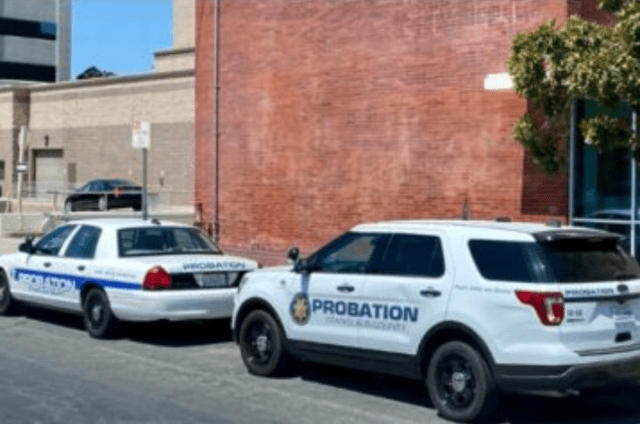
Probation officers are usually considered law enforcement officers, but not all probation officers carry weapons. Their duties include conducting pre-sentencing investigations to gather information about the convicted person, their existing support system, the nature of the offense including victim impact statements and other information to determine the likelihood of successful probation completion. Conditions of probation can include abstinence from alcohol and other drugs, gainful employment, attending counseling or treatment, electronic monitoring, avoiding persons involved in criminal activity, and generally staying out of trouble.
Probationers are usually entered into the criminal justice data systems so that if they are in contact with law enforcement their probation officer will find out. A common condition of parole is a waiver of privacy rights so that the probationer is subject to random searches and drug testing. Probation officers act as the eyes and ears of the court, both assisting the probationer in maintaining good citizenship and reporting violations to the court for consideration of re-sentencing or additional criminal charges.
In some jurisdictions, the probation and parole functions are vested in a single job. Parolees have been given the opportunity to gain their freedom. Some are given early release as a result of favorable assessment from their parole board, and some have mandatory parole attached even if they have served their entire sentence. A parolee has both an incentive to do well and avoid returning to prison, so cooperating with their parole officer is to their benefit. On the other hand, the parole officer faces danger from a parolee who is engaging in behavior that can send him back to prison, therefore evading, resisting, and deceiving their supervising agent by any means necessary.
Other law enforcement agencies accrue a mutual benefit from the knowledge and insight of probation and parole officers. It is another example of the importance of agencies working together to keep our communities safe.
This article originally appeared at the National Police Association and was reprinted with permission.