By any reasonable measure, today’s younger generation is not just consuming media—they’re producing it at scale. A smartphone, a ring light, and a half-baked idea can turn into a viral video in hours. For law enforcement, this shift has created a new layer of public interaction: one where a routine call, traffic stop, or sidewalk encounter may double as someone’s next “content drop.”
From the relatively harmless—like “wanna buy some coke?” (revealing a trunk full of Coca-Cola)—to staged “false advertising” bits and public pranks, these encounters are often designed to provoke confusion, elicit reactions, or capture authority figures in unscripted moments. Most are meant to be funny. Some are meant to push boundaries. A few cross legal lines.
The challenge for officers is not simply enforcement—it’s understanding the intent, recognizing the legal framework, and maintaining professionalism in a setting where the audience may be global.
The New Reality: Everyone Is a Broadcaster
A generation raised on platforms like TikTok, Instagram, and YouTube operates with a different baseline assumption: everything is content. Encounters with police are not exceptions—they’re opportunities.
This means:
- Cameras are often rolling before contact is made
- Edits may remove context or compress timelines
- Officers may be intentionally tested for reactions
It also means officers are being evaluated not just by supervisors, but by millions of viewers who may lack context, training, or legal understanding.
The Legal Landscape: Rights Still Apply (Even When It’s Annoying)
At the core, nothing has changed about constitutional protections. What has changed is how often they are exercised—and recorded.
- First Amendment Protections
Individuals have a well-established right to:
- Record police in public spaces
- Speak freely (including satire, parody, and criticism)
- Create content—even if it’s annoying, misleading, or provocative
Courts have consistently affirmed the right to record public officials performing their duties in public, as long as it does not interfere.
- Fourth Amendment Considerations
Officers must still operate within the framework established by Terry v. Ohio:
- Reasonable suspicion must be articulable
- Detentions must be lawful and justified
- “Fishing expeditions” for content creators are just as unlawful as for anyone else
A prank is not automatically a crime. The question remains: what law, if any, is being violated?
When “Content” Becomes Criminal
While many viral videos fall squarely within protected speech, there are clear lines where behavior crosses into criminal territory.
Potential Violations May Include:
- Disorderly Conduct: Creating a public disturbance or inciting panic
- False Reports: If a prank causes emergency response activation
- Obstruction: Interfering with an officer’s lawful duties
- Impersonation: Pretending to be law enforcement or officials
- Trespassing: Filming or staging content on private property without permission
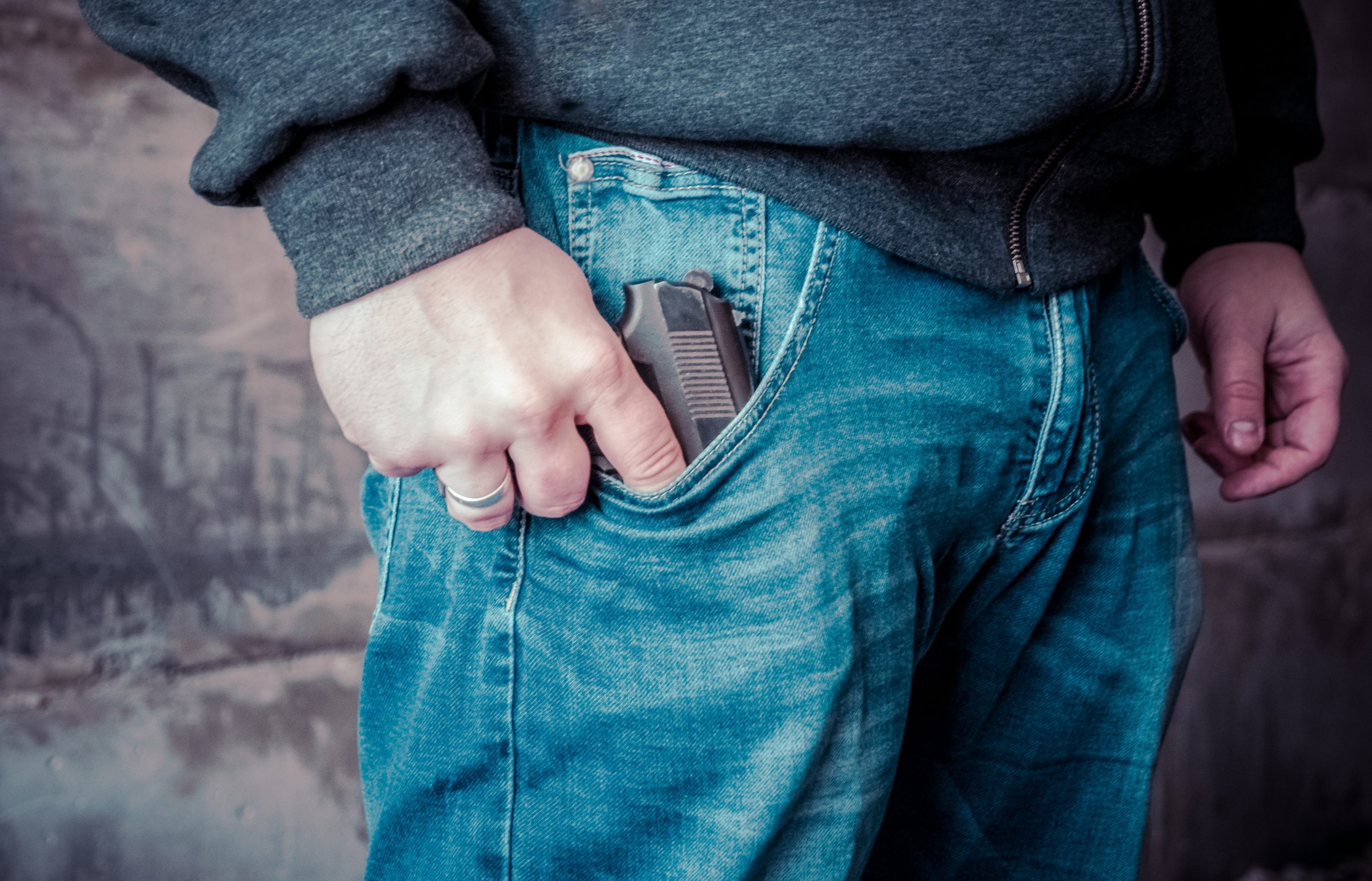
A “joke” involving a fake weapon, fake drug deal, or simulated crime can escalate quickly—especially if it triggers a public safety response.
The Officer’s Dilemma: Enforcement vs. Engagement
Here’s the reality: how an officer responds is often the entire point of the video.
Content creators may be hoping for:
- An overreaction
- A constitutional violation
- A viral “gotcha” moment
This creates a tactical and reputational challenge.
Best Practices for Law Enforcement
- Slow It Down
Creators thrive on speed and reaction. Officers should do the opposite:
- Assess calmly
- Ask clarifying questions
- Avoid being rushed into decisions
A measured response rarely goes viral—but it always holds up in court.
- Identify the Conduct, Not the Camera
The presence of a camera is irrelevant legally.
Focus on:
- Behavior
- Statutory violations
- Threat level
If no law is being broken, enforcement authority is limited—even if the situation is irritating.
- Don’t Take the Bait
Creators may:
- Use sarcasm
- Attempt to provoke
- Push boundaries verbally
Professional detachment is critical. The moment an officer becomes emotional, the creator has achieved their goal.
- Know When Education Beats Enforcement
Not every situation requires a citation or arrest.
Sometimes the better outcome is:
- Explaining legal boundaries
- Advising on safety risks
- Documenting the encounter
This approach:
- Builds rapport
- Reduces escalation
- Demonstrates reasonableness if reviewed later
- Control the Scene, Not the Narrative
Officers cannot control how a video is edited or posted. They can control:
- Their tone
- Their language
- Their adherence to policy
Professionalism is the strongest defense against misleading edits.
Rapport Building with a Generation That Distrusts Authority
Many content creators are not anti-police—they’re anti-authority in tone. They respond poorly to rigid or dismissive communication but often respond well to authenticity.
Effective Approaches:
- Speak plainly, not bureaucratically
- Acknowledge what they’re doing (“I get it—you’re filming content”)
- Set clear boundaries (“Just don’t interfere with what we’re doing”)
What Doesn’t Work:
- Immediate escalation
- Dismissive language
- Threatening enforcement without legal basis
This generation values transparency. When officers explain why something is unlawful, compliance often improves.
The “Coke in the Trunk” Scenario: A Practical Breakdown
Let’s take the example:
A creator says, “Wanna buy some coke?” and opens a trunk full of Coca-Cola.
Legal Analysis:
- No actual drug transaction
- Likely protected speech (satire/parody)
- No probable cause for drug enforcement
Officer Response:
- Clarify intent
- Assess for actual criminal indicators
- Disengage if no violation exists
The key: intent matters, but evidence controls.
Officer Safety Considerations
Even “harmless” pranks can create real risks:
- Misinterpretation by the public
- Escalation by uninvolved parties
- Confusion during active incidents
A fake scenario can quickly become a real one.
Officers should:
- Maintain situational awareness
- Avoid assumptions based solely on presentation
- Treat unknowns cautiously but rationally
Administrative and Agency Considerations
Agencies should recognize this trend and prepare accordingly.
Recommended Actions:
- Train officers on First Amendment audits and viral content interactions
- Develop clear policy guidance on recording and public encounters
- Encourage body-worn camera use to preserve full context
Supervisors should also anticipate:
- Public complaints based on edited videos
- Internal reviews triggered by viral clips
Documentation and adherence to policy will remain critical.
The Bigger Picture: Legitimacy in the Digital Age
Every interaction is now potentially a public demonstration of policing philosophy.
Officers are no longer just enforcing laws—they are:
- Representing the agency
- Modeling constitutional policing
- Building (or eroding) public trust in real time
The viral generation isn’t going away. If anything, it will become more sophisticated.
Final Thought: Don’t Be the Content—Be the Professional
The goal isn’t to “win” the interaction or go viral for the right reasons. The goal is simpler:
- Enforce the law lawfully
- Respect constitutional rights
- Maintain professionalism under scrutiny
If a video goes viral showing an officer who remained calm, knew the law, and treated people fairly—that’s not a loss.
That’s modern policing done right.