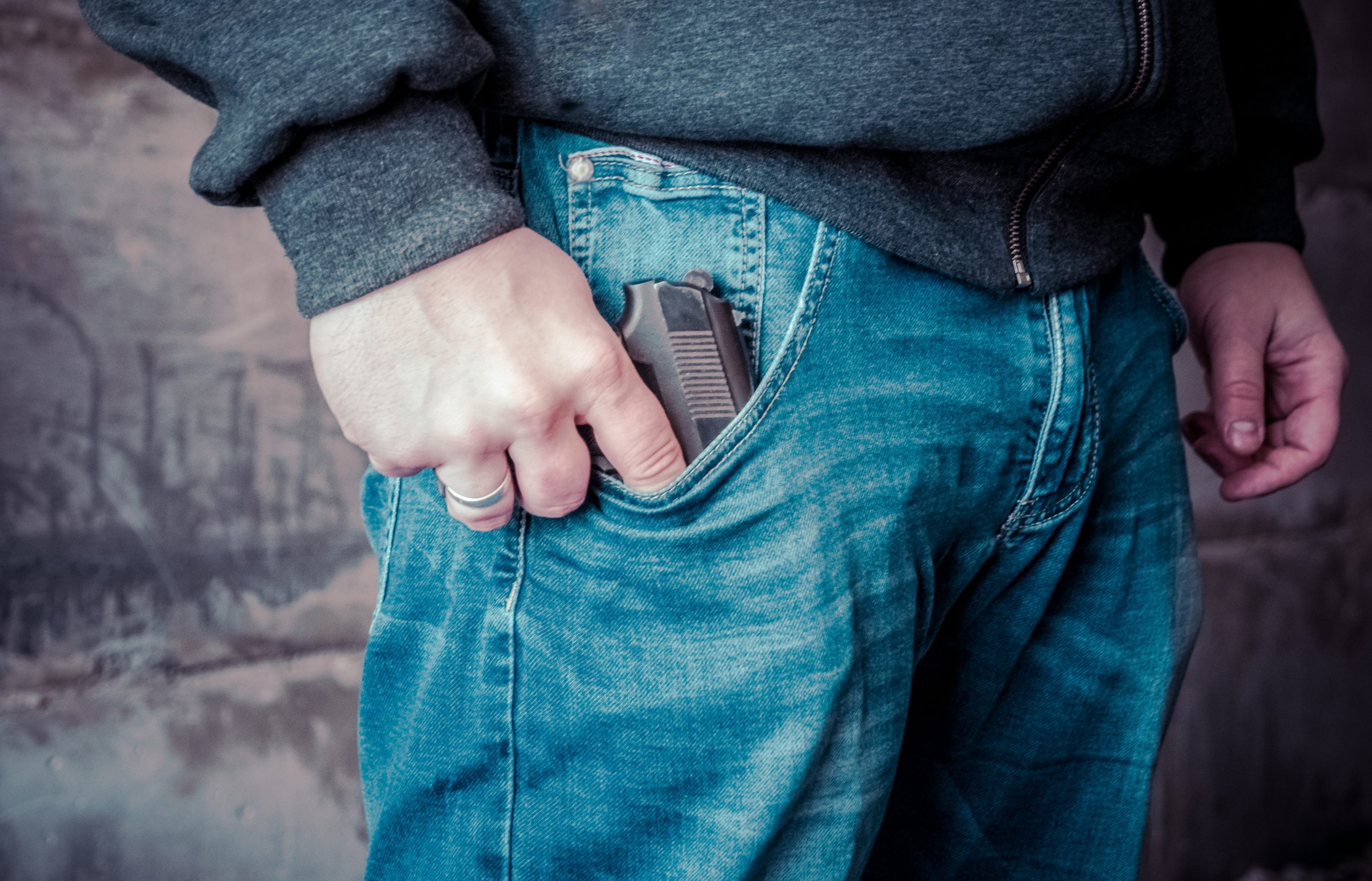
One of the thorniest issues with personal technologies in law enforcement is also the most prevalent: police officer use of mobile phones. The reason: Mobile phones have become—in the past decade—the most personal of electronic devices. It’s also one of the four things officers have with them at all times (the others are your badge, your gun and your wallet).
In 2007, the mobile phone went from fourth to first on the list of “hardest to do without” devices, according to Pew Research1. We’ve long since passed the inflection point at which we access the Internet more with our smartphones than with our home computers. By next year, we’ll have more smartphones than personal computers2. This is because we use our mobile phones for everything from taking family photos to managing our investments and banking. Many of us don’t even have a landline anymore.
The Issues
What concerns does this raise for law enforcement agencies? Lots. Some stem from the fact that cops are using their privately-owned cell phones on the job: Texting and engaging in private conversations while driving are prominent issues, primarily because of the obvious safety issues. “We have noticed a rise in mobile-based personnel issues over the past couple of years,” says Second Deputy Commissioner William G. Flanagan of the Nassau County (NY) Police Department.
Flanagan, whose agency spends between $3.5 and 4 million annually on telecommunications, allows officers to use personal mobile devices for routine functions, but his agency stops short of allowing officers to use other smartphone features—including the camera—for police business.
Some agencies, however, rely on the fact that every patrol officer can take high-quality images with that same personally-owned device. This is the kind of problem that we’d call “well-intentioned, but ultimately harmful.” Imagine what would occur if an officer lost a phone that stored domestic violence evidence.
Now imagine the officer’s reaction when a defense attorney subpoenas their smartphone. That may not have happened yet, but given the growth in mobile device ownership, we’d wager an ice-cold Dublin Dr. Pepper that it will in the next 18 months.
Sgt. Richard Peña at the Los Angeles Sheriff’s Office agrees. “Every time you use a device to do something like take a photo, it’s understood that you may have to surrender that device and anything that’s in it,” he says. “So the same goes for your cell phone or smartphone, even when you’re texting or—this came up with the mobile data terminals—sending car-to-car messages. Everyone knew that anything that was on the machine could be called into court to be used as evidence.”
Since we’re speculating, let’s take it one short step further. Most officers are probably at least vaguely aware that task forces, SWAT teams and other large groups of officers are using their mobile phones to coordinate raids and surveillance. Given the rapid growth of the Android mobile phone platform and the even faster growth of Android viruses, it’s only a matter of time before issues of criminal surveillance—and even officer safety—arise.
“Malicious software running on an Android phone has been shown to be capable of transmitting voice,” says Aaron Turner, president of IntegriCell, a consultancy that helps public and private firms manage mobile device risks. “That could be even worse than losing the device outright.”
Sound far-fetched? Google “Murdoch” and “phone hacking” and you’ll discover that the idea is a lot less far-fetched than you might think. The act of listening in on someone’s private cell phone conversation is just about as easy as listening into police radios via a scanner.
Before we start saying it’s all gloom and doom, let’s look at a fairly positive dynamic that’s organically arisen: Mobile communications are a part of our lives, and they’ve had a positive effect on policing. There’s been a tacit acceptance on the part of officers and administrators that the mobile phone is another tool on the belt. It makes the officers more productive, and it allows administrators to enjoy added benefits, such as better communication with their officers.
In Sum
So while we’re saying that the use of this technology poses risks, we’re also saying that agencies and officers are best served by policies that recognize the joint benefits that it brings. If you don’t have a policy that addresses this issue, start now, before it becomes a problem. Engage your officers and craft a policy that works for everyone. Whether agencies choose a strict or lenient approach to officer personal cell phone use, they must make choices about how cell phones are to be used, and then make these choices clear to all involved. There’s an educational benefit to simply declaring these policies, but the enforcement of the policy brings with it a reduction of liability.
Personal Mobile Phone Policy
The five main categories agencies should consider
1. What Can You Do?— Can officers make phone calls and use their devices for work-related tasks, like coordinating a raid or surveillance? If not, what alternative devices do they have—and who’s picking up the tab? Can they use the cameras on their devices for evidentiary purposes, and if so, which ones and under what circumstances?
2. Email & Data—Can officers receive agency email on their smartphones? This introduces what the IT guys refer to as an “unmanaged host” on the network—how are these risks mitigated?
3. Who Pays?—Does the taxpayer pick up any part of the tab for airtime if the officers use their phones for work? Who pays for the data, and how much and what kinds of data can officers transfer?
4. Vehicle Operations—Do you provide hands-free units in the cars to help reduce any risks of driving while speaking? Our agency uses the Parrot CK3100 Bluetooth hands-free car kit, which for about $125 offers connection to five different devices, a voice-recognition dialer and what we think is excellent sound quality. But that hands-free kit doesn’t address the other elephant in the room: texting while driving.
5. Personal Use—Can officers make personal phone calls while on duty? Can they do it while driving? Since officers are generally bound by the same laws that govern civilians in terms of mobile use in non-emergencies, how does your agency feel about cops jawing on the phone during business hours—in public view?
References
1. Harrigan, John. (2009). The Mobile Difference. “Mobile access to the internet constitutes an inflection point in technology adoption.” In Pew Internet & American Life Project. http://bit.ly/qVCxLu
2. Morgan Stanley. (2010). Internet Trends 2010. Morgan Stanley Research. http://slidesha.re/ocqX5f
Got a product you want us to cover? Drop us a line: [email protected].
Note: Neither the authors nor Law Officer receive compensation or consideration for coverage in this column.