National Crime Victims’ Rights Week is celebrated April 18–24 to recognize and remember crime victims and the impact of their victimization. The theme this year embraces the meaning of fairness, dignity and respect. Criminal victimization can have lasting impact on victims if they survive to tell their stories. The lives of survivors can be forever changed.
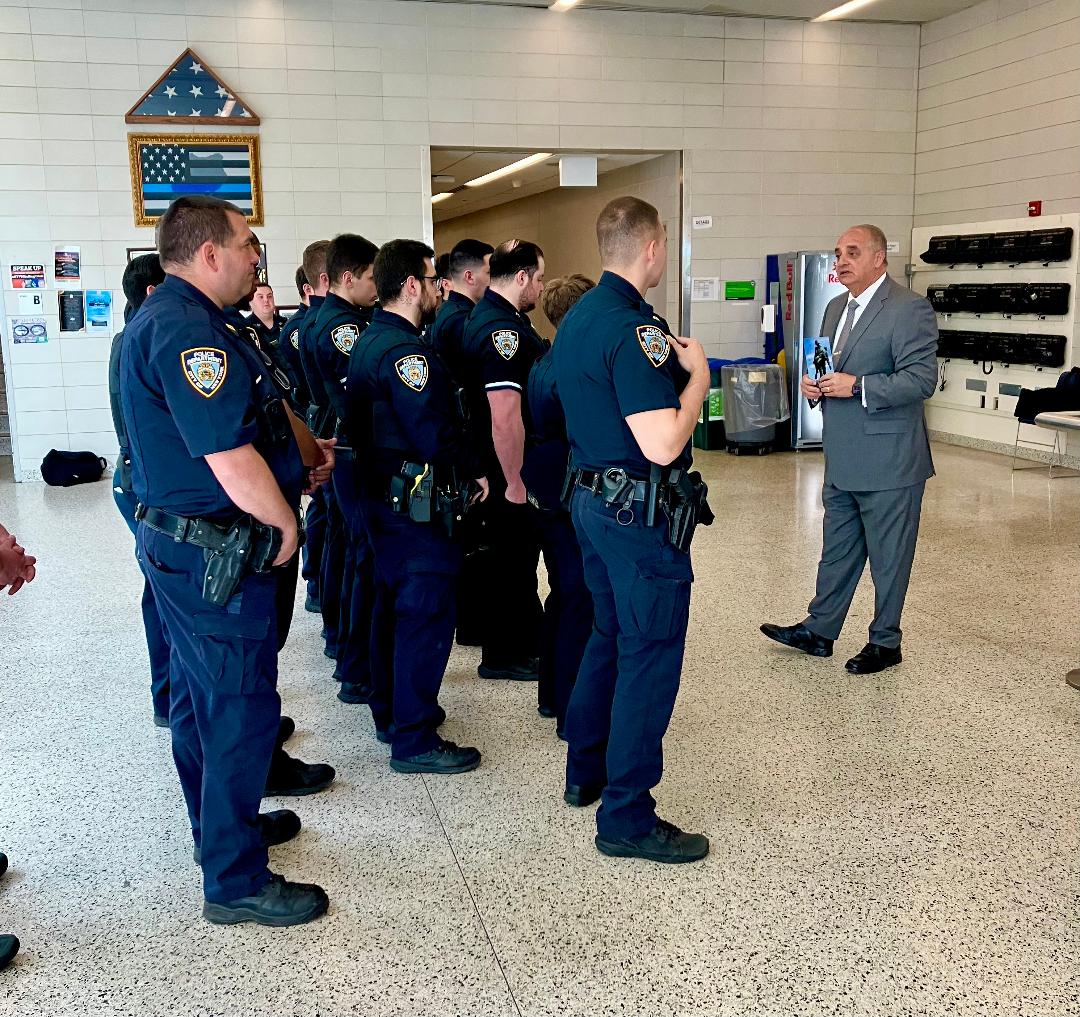
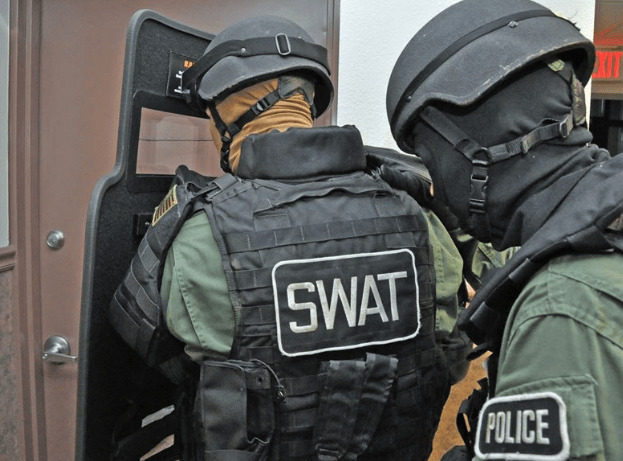
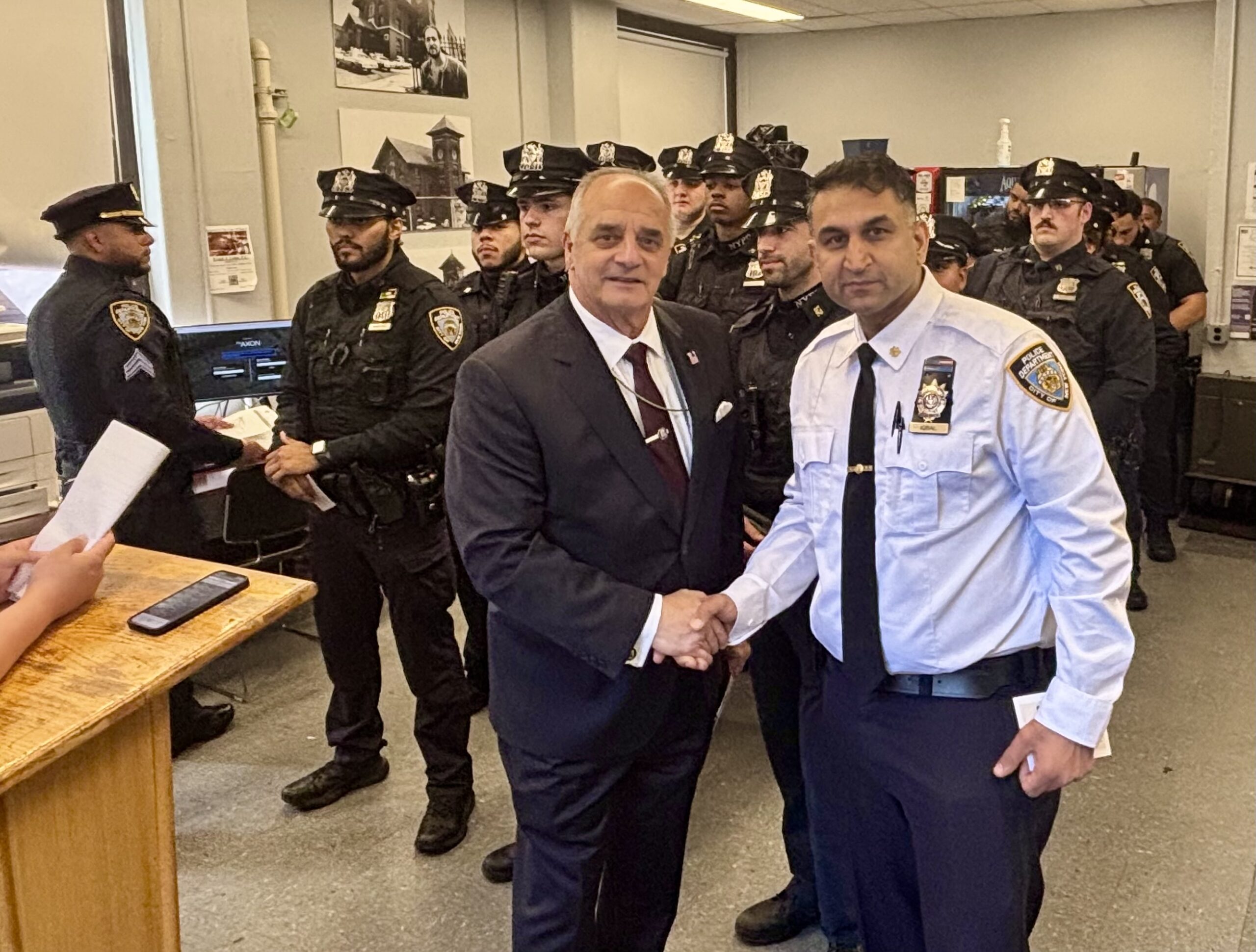
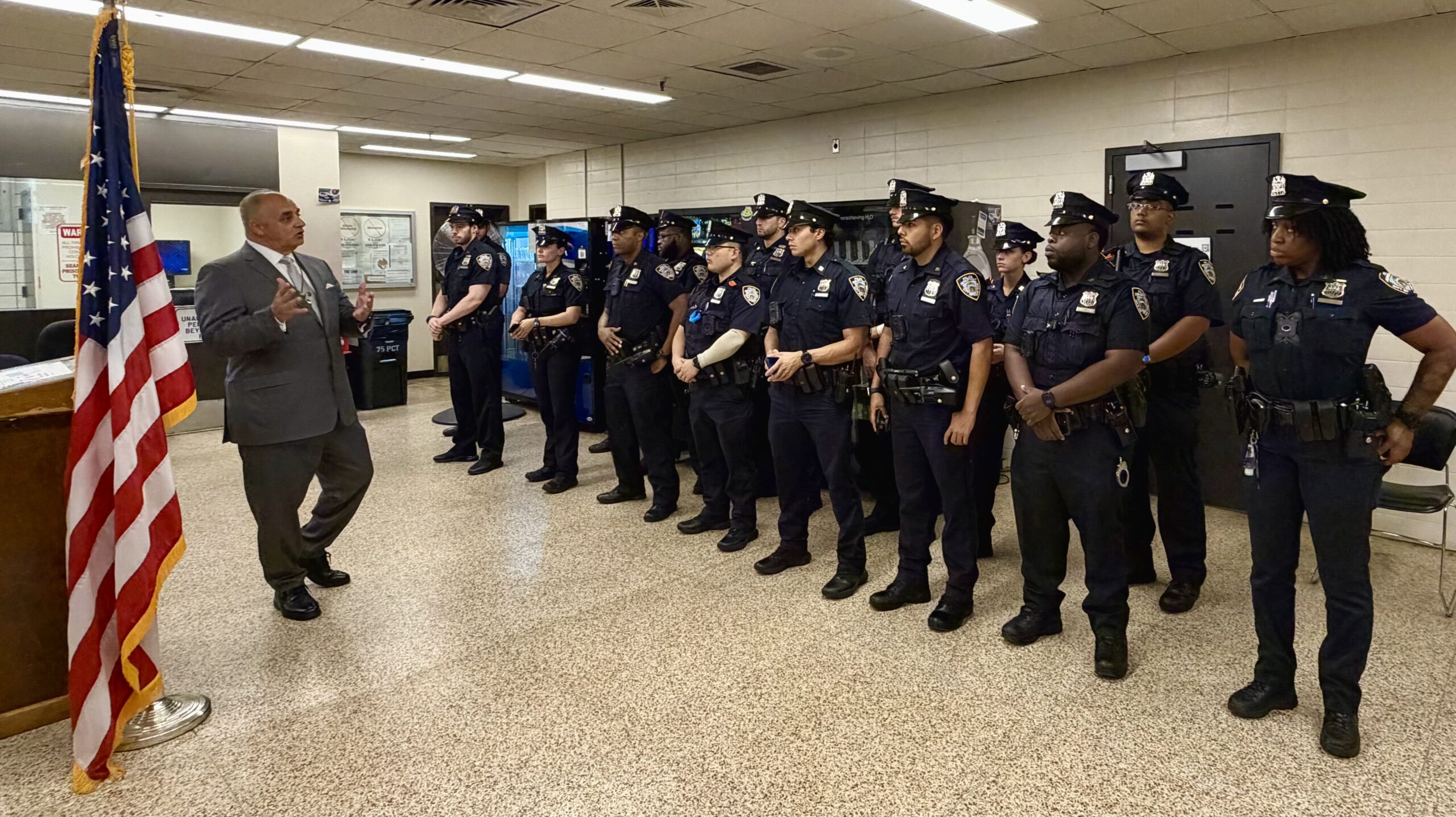
In the course of their duties, law enforcement officers deal with crime victims on a daily basis. As first responders, they render immediate aid and provide initial support and comfort in the aftermath of the criminal act. Though they can be confronted with devastating circumstances, they must maintain a delicate balance between retaining their objectivity while displaying the requisite degree of empathy victims require. Officers walk a fine line between sensitivity and authority.
With a greater focus placed upon the plight of crime victims and with victimology courses being taught in universities in recent years, police officers are now better trained and equipped to interact with victims of crime. They possess greater knowledge, refined skills and generally are more comfortable in dealing with crime victims than they were in the past. Officers understand that victims, as well as survivors, must be treated with fairness and respect. Their dignity must be retained throughout the crisis response and in the aftermath of the criminal episode.
Depending upon the type and extent of the criminal incident, it’s likely that victims and survivors will have endured significant emotional trauma and, perhaps, physical injury or even death. Therefore, the nature and quality of the response is critical.
Though many police officers are street savvy and tend to have the ability to assess people and situations quickly, the manner in which they interact with crime victims and survivors will leave a lasting impression. Their methods should ease the trauma and impact of the crime. Police officers must be patient and realize that victims and survivors may be in shock over what has occurred and could ask questions repeatedly. Law enforcement officers must possess keen listening skills and be attentive to nuances in the communication between themselves, victims and survivors.
Though police officers try to maintain boundaries in their work, they sometimes become the only reliable and trusted source for victims and survivors. It’s not unlikely that, over time, victims and survivors may bond with the law enforcement officers with whom they have developed a professional relationship and who continue to provide them information in the aftermath of the crime. The linkage between these parties may serve as a conduit that aids both victims and survivors in reconciling the oftentimes incomprehensible events that transpired. It can also serve as a buffer to strengthen their equilibrium.
An Example
Lorraine Reed Whoberry understands this all too well. When she left her Manassas, Va., home on Jan. 29, 1999, to go to work she had no idea that, by the end of that day, her life would be forever changed. She never imagined hours later she would learn that her 16-year-old daughter, Stacie, at the time, had been murdered in their home. And her other daughter, Kristie, 14, had been raped, her throat and wrists violently slashed and had been so savagely brutalized that she was left lying on the basement floor in a pool of blood. The horrific crime scene was discovered by Lorraine’s then fiancé.
Amazingly, Kristie survived the attack. Now, 11 years later, at age 25, she has what she describes as ″battle scars″ on her neck. They provide vivid memories to all who know the story of what happened to her and her sister.
Paul Warner Powell was executed in Virginia’s electric chair on March 18, 2010, for these crimes. Both Kristie and her mother were there to witness the execution. In the interim, 11 years before the execution occurred, Lorraine and her daughter, Kristie, had a tough road to travel as victim and survivor. They received detestable and taunting letters from Powell, while incarcerated, that were laced with threats to kill them.
Kristie and her mom had to undergo the stress and trauma of two trials. The first trial resulted in a conviction and death sentence, but the death sentence was thrown out by the Virginia Supreme Court. The court ruled the murder of one girl and the rape of another couldn’t be considered the same crime, which was a factor needed for the death penalty.
After the first trial, the jury forewoman testified at a hearing on Powell’s behalf. She also stated she had fallen in love with Powell and had made an incorrect decision about the case. Powell was re-indicted and, after another complete trial, he was again convicted and sentenced in 2003.
The aftermath of this horrific episode had tremendous impact on the lives of Lorraine and Kristie. Former Prince William County Virginia Det. Richard Leonard (Ret.) who investigated the case established a strong connection with them. His professionalism, unremitting dedication to the case and his continual outreach to Lorraine and Kristie provided strength and ongoing encouragement that aided their ability to even begin to weather the tragedy that profoundly affected their lives. To date, Leonard remains in contact with the family.
Lorraine and Leonard instruct other law enforcement agencies about appropriate ways to handle crime victims and survivors in the aftermath of a crime. Their teamwork involved in this task is the result of lessons learned; they share the wisdom of their experience that emanated from the chilling events of that day back in 1999.
Lorraine, a survivor of admirable fortitude, and her daughter, Kristie, continue the process of continuing to cope with the events of 11 years ago and the repercussions that emerged as a result. For them, as well as other victims and survivors, there’s never finality to their loss or pain. There is, however, hope in knowing that through greater understanding, enhanced knowledge and more effective outreach by law enforcement, that victims and survivors can preserve their dignity and be the well-deserving recipients of fairness and respect.