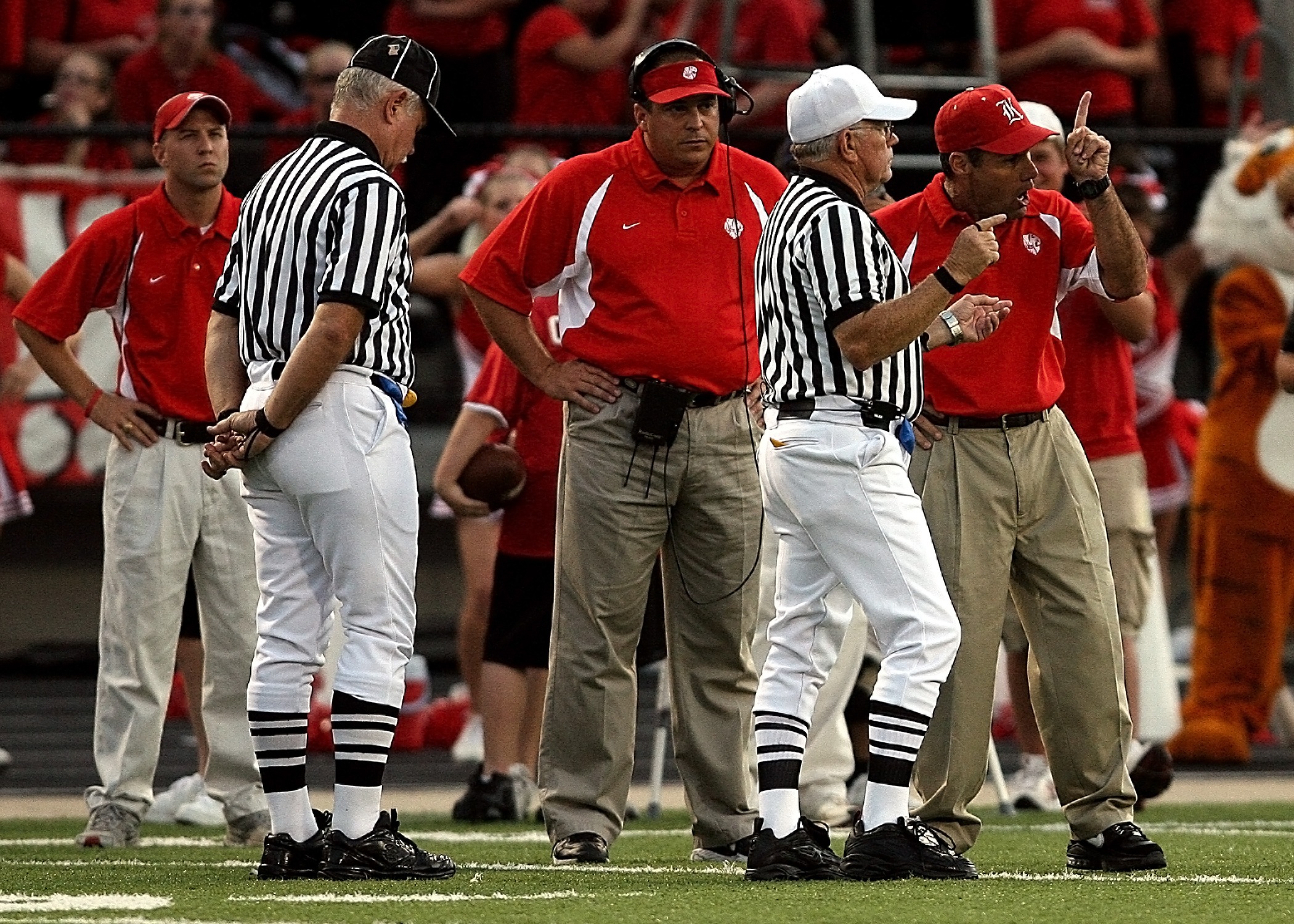
Whether accepting or delivering criticism, self-confidence is key
Dear Bullethead:
I'm looking for your advice on how to take constructive criticism from subordinates without flipping out (and taking it the wrong way), as well as how to approach supervisors with constructive criticism.
—Fred R., via Facebook
There are a couple of related issues with taking and giving criticism. They're related mostly by what is going on inside the sender or receiver. I have found that certain people wear their rank really heavy. They get some stripes or bars and think they need to prove to the world how much they deserve that rank and what it means as far as their treatment in the world. Many of these folks turn around and eventually gain the confidence to do things the right way. Others don't and end up showing the world how much they didn't deserve the promotion. Either way, they're always a pain in the neck to deal with while their rank is pulling down their sleeves or collar.
For Ol' Bullethead, the first part of this puzzle was not taking myself too seriously. I have always made fun of people regardless of their rank. The flip side of this is not getting upset when it's my time to take a beating. I know most of the people in my agency who outrank me. This helps because I usually go in with some knowledge of their ability to deal with being messed with. If I end up working for someone who can't hang, I adjust my comments accordingly. When I get a handle on how a boss deals with everyday razzing it gives me a clue to how they will react to actual criticism.
When it comes down to handing out criticism of their management style or a project they're working on, I always try to make it about that, and not about them. Some things in the world are universal. No one wants to take a shot from a properly swung baton right on their knee cap. Similarly, pretty much no one wants to be attacked personally about something they said or did. If they think you're going after them, they will get defensive immediately—and if they hold rank, you're starting from a severe position of disadvantage.
I'm sure you find this as annoying as I do. The world would work much better if we could all take some criticism without thinking we needed to get ready for a brawl. What prevents us getting to this point is a lack of self-confidence. When someone is confident enough, they look at criticism as the chance to learn. If they're lacking confidence, they feel the need to either go on the defensive or attack to quell the rebellion.
Knowing a few things about the person you're dealing with can help you predict how they may react and how you should approach them. If your sergeant spent the last 10 years investigating crimes against children they may have difficulty in a patrol setting where a problem requires a tactical response. The thing to do here is offer suggestions to help them solve the problem.
Giving criticism to subordinates also deals largely with self-confidence. The sender must have knowledge and ability in the area that they're criticizing. I was once criticized by a lieutenant over my involvement in a use-of-force situation. At the time I had been running the Force Training Unit for about 10 years. This clown had no business telling me anything about force. Since I'm confident in my abilities and my decisions, I smiled and thanked him. I avoided making an enemy by putting him in his place and now I have a funny story to tell about him over beers.
When I'm criticizing someone on my team, I do my best to make it about the issue and not the person. I also get my ducks in a row prior to approaching them. If it's an area where I lack experience or knowledge, I'll find out about it before I bring it up. Often, even if your criticism is about the issue, the person will try to bring it back to them. I don't allow this. I keep the criticism about the issue and I always bring several possible solutions to the table. By doing this, I allow the person being criticized to have some control over the outcome. This helps their confidence and makes them part of the process, as opposed to me just telling them they are a mess and my way is better.
Bottom line: Criticism, going either up or down, needs to stay about the issue. Regardless of rank, people screw things up, and to move forward we need to correct those things. Have enough confidence in yourself to accept or give out a correction in either direction.