Using nothing more than a commercial search engine, a YouTuber discovered dozens of surveillance camera admin interfaces broadcasting live and archived footage with no encryption and no login required. The number quickly grew to nearly 70 exposed devices, many of which were Flock’s Condor cameras that use artificial intelligence to detect and track people as they move.
Benn Jordan, a YouTuber and technologist, who accessed the feeds, said it felt disturbingly casual. He shared his findings with security researcher Jon “GainSec” Gaines, who recently found numerous vulnerabilities in several other models of Flock’s automated license plate reader (ALPR) cameras.
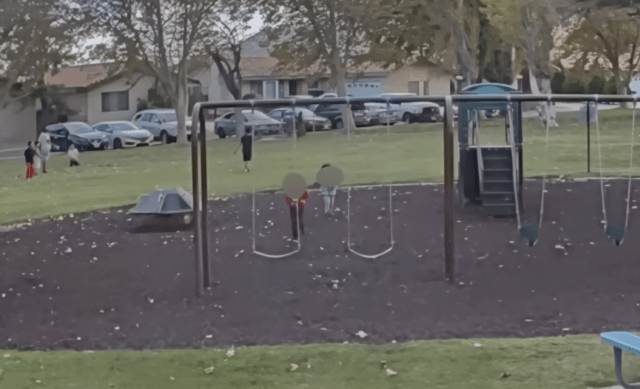
Point, click, and he was scrolling through 31 days of video like a streaming service: families loading groceries in a Lowe’s parking lot, a man leaving his house in New York, a woman jogging alone along a forest trail in Georgia. The Condor’s AI would automatically zoom in on anything that resembled a person or object. In one gutting moment, he watched a grown man take a private, judgment-free turn on a swing set.
 Within minutes, Jordan cross-referenced a face and found professional, medical, and financial details. A license plate he spotted on camera could be linked to parking app data, which revealed a home address. Public police logs in some cities list names, addresses, ages, and arrest reports that map directly back to the footage.
The risks are apparent, but they also expose the fragile gap between deployed surveillance and basic cybersecurity.
Flock Response
Jordan reached out to Flock and got the following response:
The feeds found were publicly accessible at the time of discovery. According to Jordan, cities and counties that accept cloud-connected, AI-powered surveillance systems deserve audits and clear disclosures about security risks. When elected officials approve these systems, they assume responsibility for consequences to constituents’ safety and privacy.
Why this matters
Flock has no doubt changed law enforcement and assisted countless investigations. Neighborhoods are more secure, and businesses have been secured with the technology, but there can be a cost. Privacy is the soil where identity grows. Losing it to insecure, AI-enabled cameras is not an abstract policy debate; it changes how we live in public.
You can watch the full video below.