DELAWARE — A Delaware State Police trooper was killed after being shot during a shooting at a state Department of Motor Vehicles facility.
The suspect was also killed.
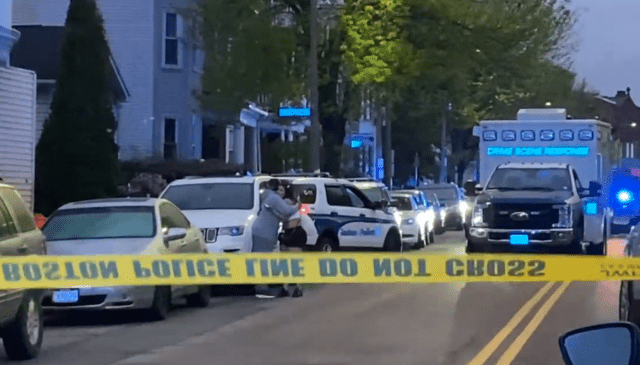
The shooting occurred during business hours, forcing an immediate lockdown of the facility and a rapid response from state and local law enforcement. Officers arriving on scene immediately transitioned to an active threat response, securing the building, evacuating civilians, and locating the suspect.
Officials have not released the name of the trooper pending family notification. Details surrounding the suspect’s actions and motive remain under investigation.
What is clear is that the attack took place in a government facility not traditionally associated with high-risk law enforcement encounters, underscoring a reality officers face daily: violence can erupt anywhere, at any time.
A Stark Reminder for Law Enforcement
This incident reinforces a hard truth for law enforcement professionals: there are no “routine” assignments and no truly safe locations. Administrative buildings, DMVs, courthouses, and government offices can rapidly become violent environments with little warning.
For officers, especially those assigned to security details, patrol checks, or administrative posts, complacency is a luxury the job does not allow.
Officer Safety Takeaways
1. Treat Government Facilities as Soft Targets
DMVs and similar buildings are open to the public, emotionally charged, and often involve frustrated or unstable individuals. Maintain situational awareness even in seemingly calm environments.
2. Positioning Matters
When working inside public buildings, officers should be mindful of cover, exits, and choke points. Avoid static positioning that limits movement or visibility.
3. Early Behavioral Indicators
Agitation, verbal escalation, fixation on grievances, or refusal to comply with basic directions should raise immediate concern and prompt proactive repositioning or backup requests.
4. Immediate Transition to Active Threat Response
When violence occurs, rapid movement toward containment and threat neutralization saves lives. Clear communication and decisive action are critical in confined indoor spaces.
5. Medical Response Is Part of the Fight
Once the threat is neutralized, immediate life-saving care for injured officers and civilians becomes the priority. Tourniquets, airway management, and rapid EMS coordination are essential.