Police marketing is often confused with police recruiting, and that confusion often costs agencies applicants and money. If you treat recruiting like a branding campaign, you end up with a great-looking message with no applicant interest.
Let’s separate them clearly, then connect them correctly.
What Police Marketing Actually Is
Police marketing is the public-facing effort to shape perception and build trust. It includes how your agency presents itself to residents, local leaders, businesses, schools, and the media. It is the story people believe about you before they ever meet you.
Police marketing shows up in community engagement, social media, earned media coverage, your website, recruiting videos, press releases, and even the tone your agency uses when something goes wrong. It is not just about looking good; it is about reputation management. Done correctly, it improves legitimacy, builds goodwill, and increases the public’s willingness to cooperate with police.
Here’s the key point. Police marketing targets the general public. The goal is broad support and confidence, not a completed application. This is why your social media channel may be blowing up, but you aren’t seeing more applicants.
What Police Recruiting Actually Is
Police recruiting is a sales-and-operations function with a very specific outcome. More qualified applicants are moving through the hiring process and accepting offers.
Recruiting starts the moment someone shows interest, and it continues until they show up at the academy and beyond. It is built on speed, follow-up, clarity, and consistent communication. Recruiting also includes practical elements that marketing rarely touches. Eligibility screening, scheduling, testing steps, background coordination, and keeping candidates warm when life happens.
Recruiting targets a narrower audience. People who are open to the job. The goal is to convert that interest to an applicant and hire.
The Biggest Difference: Awareness vs Conversion
Police marketing creates awareness and trust at scale. Police recruiting converts a smaller group into applicants and hires.
Think of police marketing as the front door and the neighborhood around it. It influences whether people feel good about the agency. Police recruiting is the hallway, the paperwork, the reminders, and the guide that walks someone to the finish line.
Most agencies overinvest in the front door and underinvest in the hallway. They produce a beautiful recruiting video, post it on social media, and then take two weeks to respond to an inquiry. At that point, the marketing worked, but the recruiting failed.
How Police Marketing Supports Police Recruiting
Police marketing matters because it lowers resistance. When the public trusts you, more people will consider joining. When your story is consistent, candidates feel safer attaching their identity to your uniform.
A strong police marketing strategy does three things for recruiting.
First, it creates familiarity. Candidates apply to agencies they recognize.
Second, it builds credibility. Parents, spouses, and friends influence applicants more than chiefs realize.
Third, it reduces fear of the unknown. If your agency shows what training looks like, what leadership stands for, and how officers are supported, you remove doubts that keep people from applying.
How Police Recruiting Can Fail Even With Great Police Marketing
This is where most agencies get it wrong.
If your recruiting process is slow or confusing, police marketing cannot save it. Gen Z and younger millennials expect quick answers. They text more than they email. They want transparency about steps, timelines, and standards.
If someone fills out a form on your website and hears nothing for a week, you did not lose them to a better marketing campaign. You lost them to a faster recruiting process in the next city over.
Recruiting also fails when agencies treat candidates like paperwork instead of people. Automated messages are fine, but candidates still need a human touch at key moments. A quick call after an initial inquiry. A real person explaining the process. A recruiter who follows up when a candidate misses a step.
The Right Way to Combine Police Marketing and Police Recruiting
Police marketing should drive the right traffic to a recruiting system that converts.
That means your website and social channels should answer the questions candidates actually ask.
Then recruiting takes over with fast response, consistent follow-up, and clear next steps. If you want to win, measure response time like you measure crime stats. Hours matter.
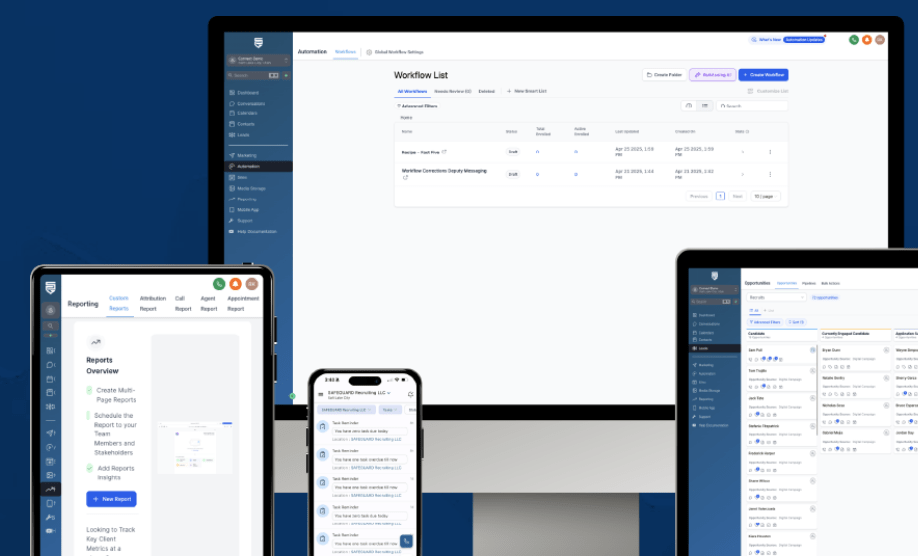
The agencies that solve staffing do not just post content. They build a machine. Police marketing fills the top of the funnel. Police recruiting moves people through it without friction.
Final Takeaway
To be honest, very few agencies understand this, and why would they? Police marketing and police recruiting are highly technical skills and it takes a long time to understand each of them. While there are plenty of companies and consultants who say they can help, this is also dangerous, as most companies reaching out to law enforcement are simply marketing firms masquerading as recruiters.
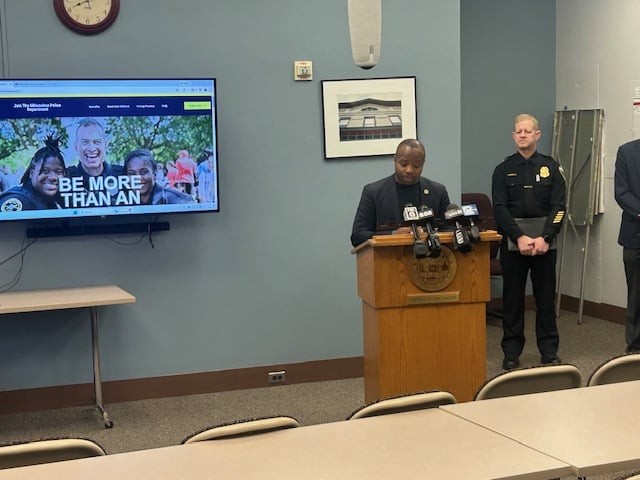
We recommend reaching out to SAFEGUARD Recruiting for questions. They are the only police marketing and police recruiting company owned and operated by law enforcement, and they guarantee results. Just last week, the Milwaukee Police Department announced its partnership, and its results were immediate. Before that, the Cleveland Police Department announced a massive surge in applicants after its partnership with SAFEGUARD Recruiting, and Philadelphia is on the verge of breaking its all-time hiring record after hiring them.