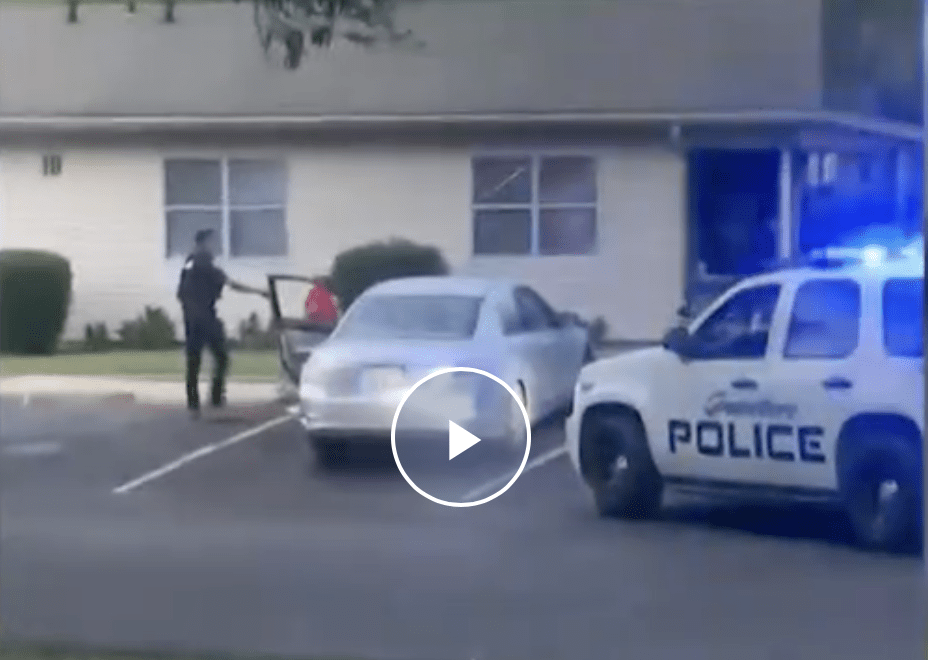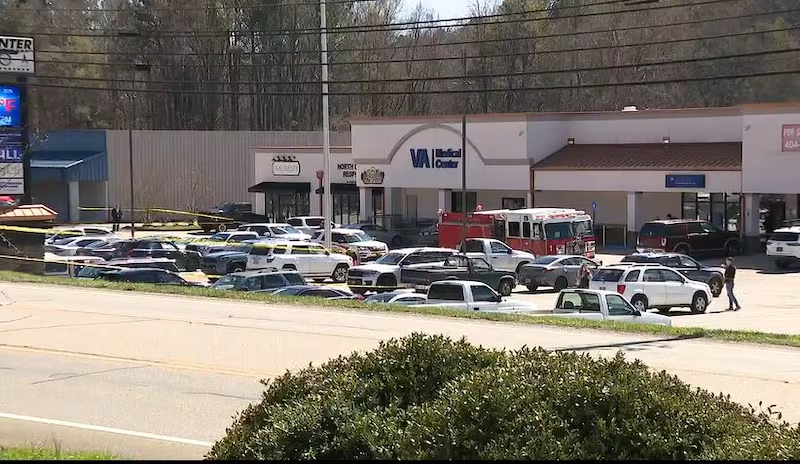
GREENWOOD, Mississippi — A police officer was shot and wounded while responding to a welfare check at a residence in Greenwood, Mississippi.
The shooting occurred when officers were dispatched to the home to check on the well-being of an individual. During the encounter, gunfire erupted, striking one officer.
The injured officer was transported to a local hospital. Authorities have not released the officer’s condition but confirmed the injuries were serious. The suspect was taken into custody following the incident.
Investigators have not released further details regarding the motive or what precipitated the shooting.
A Call Too Often Underestimated
Welfare checks are among the most deceptive calls in policing. Dispatched without the urgency of an active crime, they often involve individuals in emotional distress, mental health crises, substance abuse, or deteriorating domestic situations.
In many cases, officers arrive with limited information, no clear suspect description, and no confirmed threat, yet these calls routinely rank among the most dangerous.
This incident serves as a reminder that “check the welfare” does not mean “safe.”
Officer Safety Takeaways
1. Welfare Checks Are High-Risk Calls
Do not let the label minimize the threat. Treat welfare checks with the same tactical mindset as domestic disturbances, because they often are.
2. Use Time and Distance
Unless exigent circumstances exist, slow the encounter down. Use cover, distance, and angles. Do not rush entry without assessing doors, windows, and potential ambush points.
3. Watch for Indicators
Unanswered doors, sudden movement, delayed responses, agitation, or contradictory information from callers should prompt immediate concern.
4. Avoid Doorway Traps
Standing directly in front of doors or windows creates unnecessary exposure. Position off-set, use cover, and control sightlines whenever possible.
5. Request Backup Early
Welfare checks are not solo-officer calls. If something feels off, it probably is. Waiting for backup is not hesitation; it’s professionalism.
6. Medical Readiness Saves Lives
Immediate self-aid and buddy-aid matter. Tourniquets, pressure dressings, and rapid EMS coordination can mean the difference between survival and tragedy.