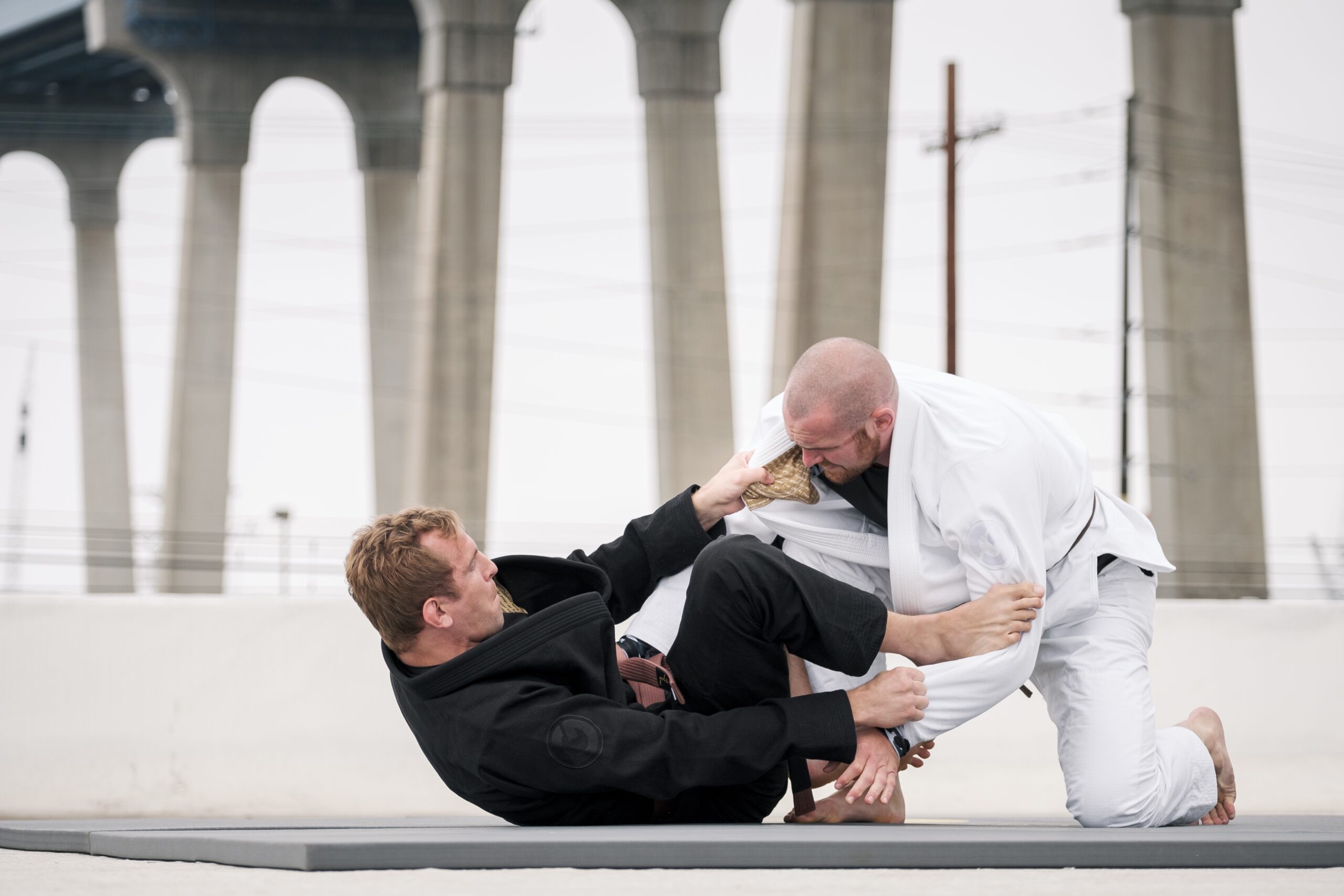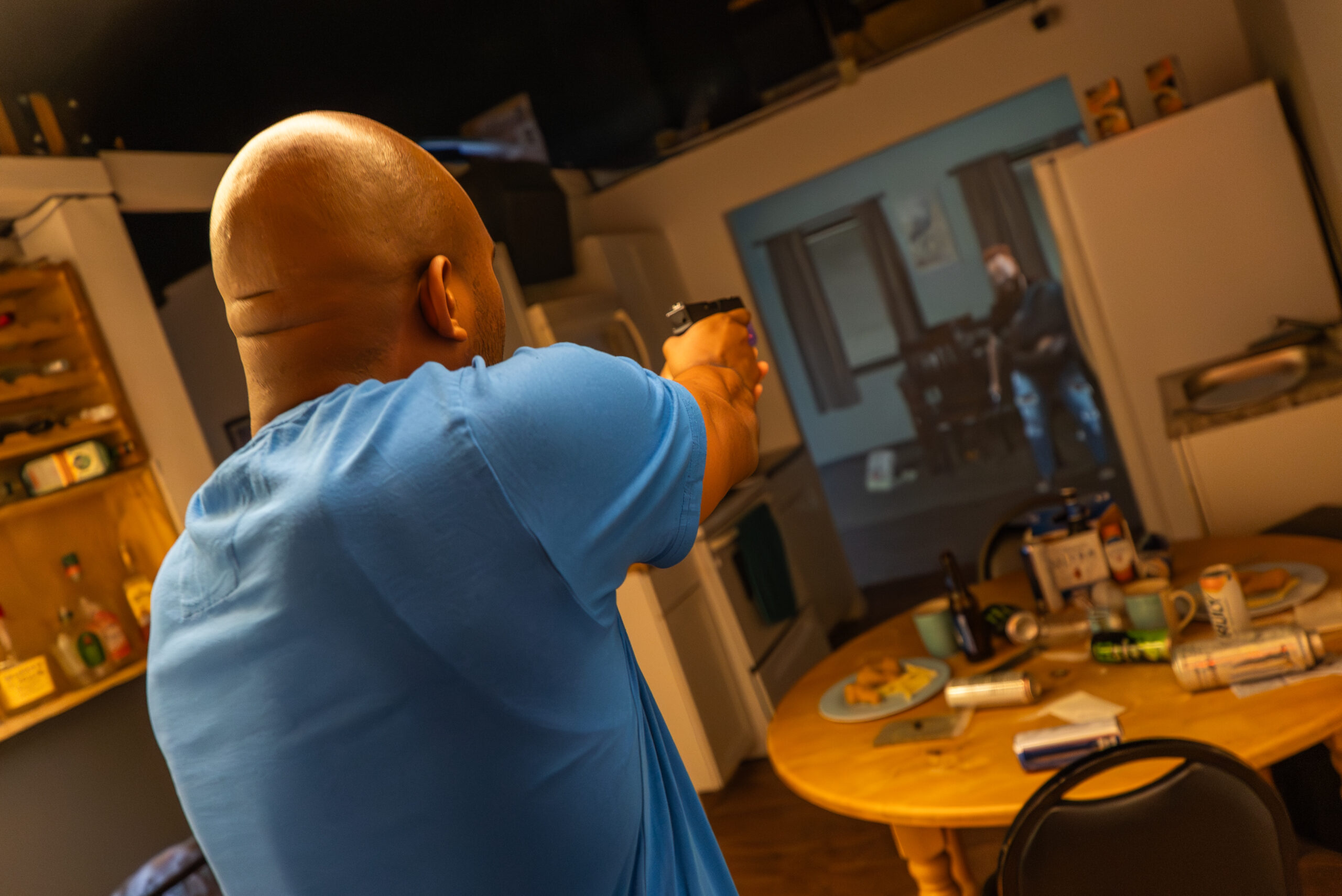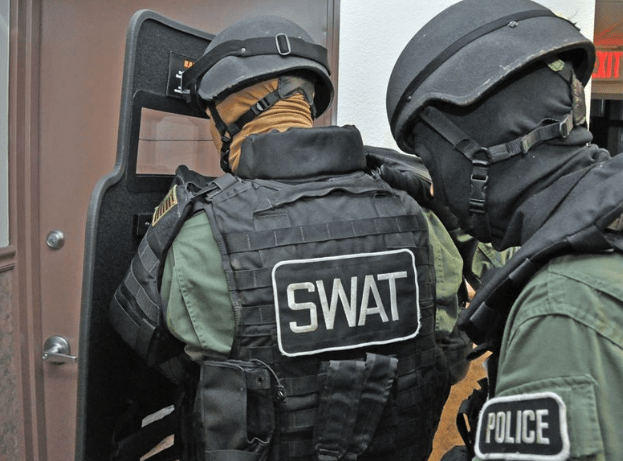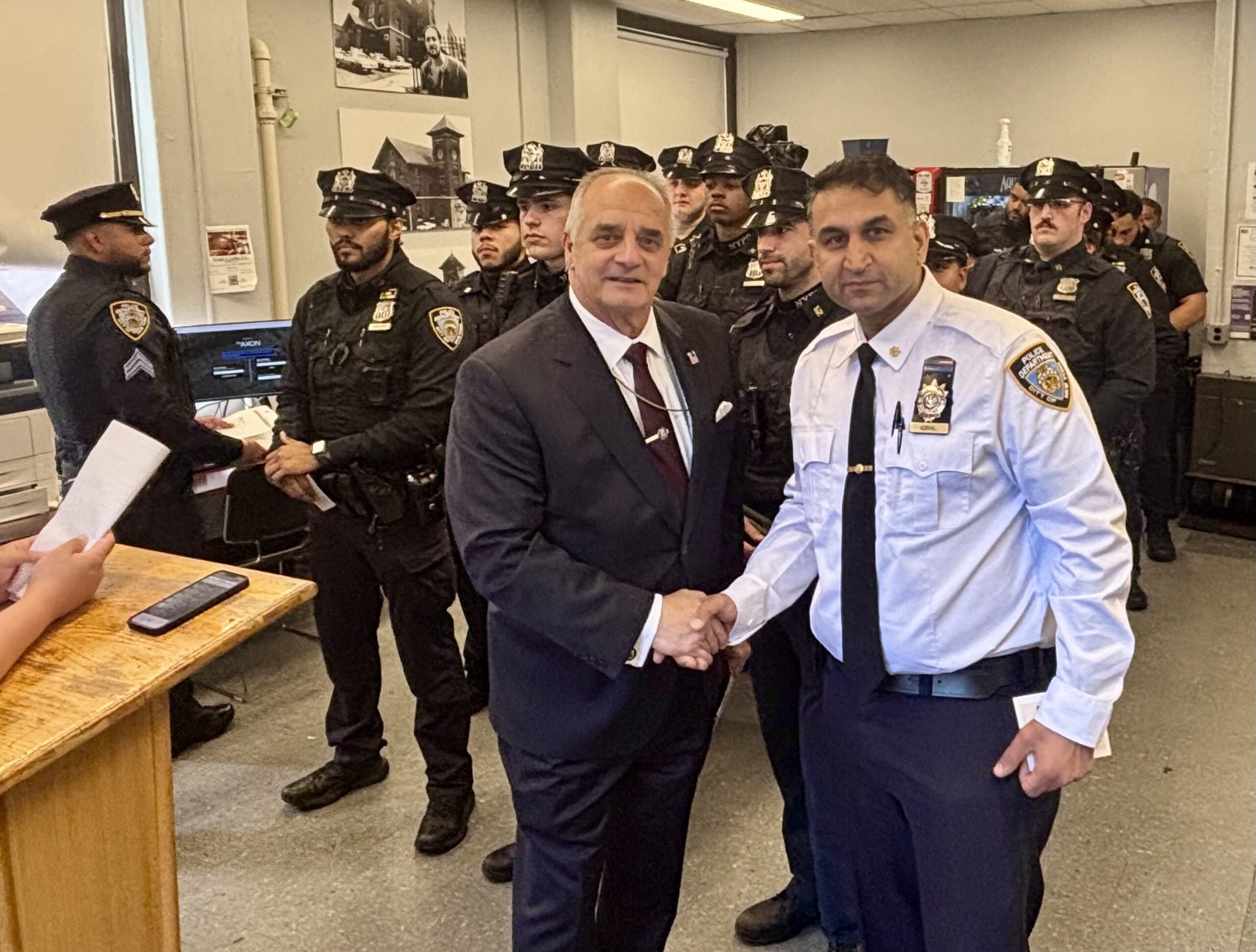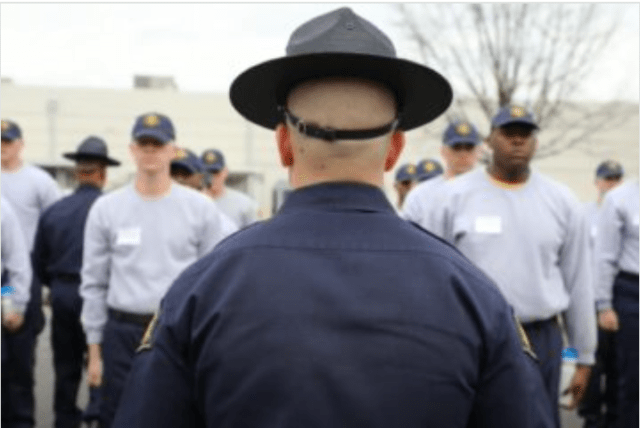
For police executives and training officers, the field-training question is no longer simply how to move a recruit from academy graduation to solo patrol. The more consequential question is how to do so in a way that is operationally sound, legally defensible, educationally effective, and aligned with the realities of modern policing. In the United States, two field-training methodologies dominate that discussion: the San Jose model, the original formal Field Training Officer framework built around standardized observation and evaluation, and the Reno model, better known as the Police Training Officer, or PTO, model, which was developed through the U.S. Department of Justice’s Office of Community Oriented Policing Services as a problem-based alternative grounded in adult-learning principles. The distinction matters because the field-training model an agency chooses will shape not only what new officers do, but how they think, how they relate to the community, and how the organization defines professional competence.
The San Jose Model
The San Jose model remains influential because it solves a real management problem: the need to evaluate new officers consistently, fairly, and with sufficient documentation to support personnel decisions. San Jose’s manual describes the program as a structured training system built around objective evaluations to ensure that recruits meet the standard of a competent solo patrol officer. Its architecture rests heavily on the Daily Observation Report, the Standardized Evaluation Guidelines, and the breakdown of performance into measurable behaviors that can be rated and compared across trainees. The manual explicitly states that the value of the system lies in its validity, reliability, and standardization. From an executive perspective, those are not small virtues. They support defensibility in probationary decisions, reinforce agency-wide expectations, and reduce the risk that recruit performance will be judged idiosyncratically by whichever veteran officer happens to be assigned to training.
Yet the San Jose model is more nuanced than many of its critics admit. Although it is widely understood as evaluation-heavy, the San Jose manual also emphasizes professionalism, dignity, and the obligation to maximize the recruit’s opportunity to succeed. It instructs FTOs to create a positive learning environment, avoid demeaning or ridiculing recruits, minimize unnecessary stress, and remember that training is the first priority while evaluation is secondary. Its two-week limbo period reflects that philosophy. During limbo, recruits are not numerically scored; instead, training is documented narratively while the recruit acclimates to the environment and observes how the work is performed. Properly used, that feature can reduce anxiety, improve learning readiness, and make the program more developmental than punitive. The problem is not that the San Jose model is incapable of supporting adult learning. The problem is that many agencies implement their evaluative features more faithfully than their developmental ones.
The Reno Model
The Reno/PTO model was developed to address exactly that imbalance. The PTO framework is built on problem-based learning, contemporary adult education methods, and the proposition that the trainer should function primarily as a trainer rather than an evaluator. Its core premise is that modern police work requires more than the mechanical performance of isolated tasks. Officers must learn to interpret ambiguous situations, analyze problems, collaborate with community members, and transfer academy learning into real-world conditions that rarely present themselves in clean, linear form. The PTO model, therefore, organizes learning into phases and includes Problem-Based Learning Exercises, weekly coaching and training reports, and a Neighborhood Portfolio Exercise that requires the trainee to understand the community, crime patterns, stakeholders, and quality-of-life issues in the patrol environment. It also separates day-to-day coaching from the most formal evaluative moments by using independent mid-term and final evaluations.
That separation is more than an administrative distinction; it represents a different philosophy of professional formation. The San Jose model asks, in effect, whether the recruit can perform the job to standard now, under a structured observational regime. The Reno/PTO model asks whether the recruit is developing the habits of mind needed to solve problems, learn continuously, and police effectively in context. Traditional FTO systems, as described in the PTO materials, evaluate trainees daily on individual tasks; the PTO model maintains the expectation of competence but situates many of those skills within broader problem-solving experiences. That difference has operational consequences. San Jose is particularly strong where an agency needs clear thresholds, high accountability, and detailed documentation. Reno/PTO is particularly strong where an agency wants recruits to connect tactics to judgment, judgment to context, and context to community trust. The choice, then, is not between rigor and softness. It is between two different understandings of what competence looks like in a new officer.
Generational Differences
That distinction becomes especially important when agencies ask whether either model fits Gen Z and, eventually, Gen Alpha recruits. The first point executives should accept is that the popular language of fixed “learning styles” is a weak foundation for policy. Evidence reviews have found very limited evidence for assigning learners to stable categories such as visual, auditory, or kinesthetic and then tailoring instruction around those labels. More useful questions concern whether training includes responsive teaching, scaffolding, high-quality feedback, meaningful practice, and opportunities for learners to monitor and improve their own performance. Technology also matters, but the best evidence suggests it is beneficial when it supports instructional goals and preserves human judgment, not when it substitutes for it. In other words, the generational issue is not whether younger officers are supposedly one kind of learner. It is whether the agency’s training system is built on sound learning principles.
On that standard, the Reno/PTO model is the more natural fit for current Gen Z recruits. Reviews of Gen Z learning in health professions education describe preferences for individualized or self-paced learning, immediate and actionable feedback, interactive and visual learning environments, strong links between instruction and real-world situations, and educator roles that are more facilitative than authoritarian. A 2024 emergency-medicine education review similarly found that learner-centered goals, facilitative feedback, rapid-cycle practice, virtual simulation, and debriefing align well with Generation Z learners. Those features map closely to the PTO model’s coaching orientation, phase-based development, emphasis on scenarios and problems, weekly reflection, and community-centered learning tasks. Reno/PTO does not merely teach an officer what to do; it teaches the officer how to think through why a given response is appropriate, what alternatives exist, and what broader community dynamics are at play. That makes it especially compatible with a generation that tends to respond well to relevance, feedback, interactivity, and real-world application.
That said, police executives should resist the mistake of treating the San Jose model as obsolete. The San Jose framework still offers strengths that agencies cannot casually surrender: measurable standards, strong documentation, clear accountability, and organizational consistency. In high-risk environments, those are indispensable. But the model is better suited to younger recruits when agencies modernize its delivery. The existing San Jose manual already provides some footholds for that modernization, including the limbo period, a philosophy that stresses respect and development, weekly academic review, and a declared expectation that training comes first. The practical implication is that agencies using San Jose should emphasize explanation of the “why” behind performance standards, expand scenario-based and reflective components, train FTOs to give developmental rather than purely deficit-focused feedback, and use technology only where it strengthens—not replaces—coaching and human judgment. In short, San Jose can still work very well, but only when it is practiced as a professional teaching model rather than merely a checklist regime.
As for Gen Alpha, agencies should be cautious. Whatever label one prefers, that cohort is not yet the primary sworn-entry population, and it would be unwise to redesign police training around speculative claims about a group that is still largely outside the profession. The better course is to build a field-training system that is adaptable: one that uses active learning, guided autonomy, realistic scenarios, frequent coaching, and structured accountability. Those features are not fads. They are durable instructional practices that can serve multiple generations of recruits. The policy lesson is straightforward: agencies should avoid chasing generational stereotypes and instead invest in training structures that remain effective across cohorts.
Putting It Together
No discussion of field training is complete without addressing the relationship between the academy and the agency that receives and develops the recruit after graduation. That relationship is not optional; it is foundational. The PTO overview states plainly that one of the model’s objectives is to have trainees apply their academy learning to the community environment through real-life problem-solving activities, and it stresses that the program should ensure that academy graduates’ first exposure to the real world reflects contemporary policing. San Jose’s own framework likewise reflects organizational integration: its field-training program is a joint operation of field operations and the training division. Read together, those sources point to a critical executive responsibility. The academy and the receiving agency must operate as parts of a single learning continuum rather than as disconnected institutions. When they do not, recruits encounter conflicting expectations about tactics, community engagement, writing, discretion, ethics, and decision-making. When they do, academy instruction can be reinforced rather than overwritten in the field.
For police leaders, that means building a deliberate working relationship between academy staff and field-training personnel. At minimum, agencies should expect shared learning objectives, a common language for evaluating performance, regular feedback from FTOs to academy instructors about recurring skill gaps, and reciprocal communication from academy personnel about the recruit’s strengths, weaknesses, and instructional history. Scenario design should also be coordinated so that what is introduced in the academy is deliberately extended in post-academy field training rather than treated as an unrelated phase. FTOs who teach or observe in the academy can be particularly valuable bridges, because they help align classroom expectations with street realities while also carrying agency culture back into the training environment. Such coordination reduces cognitive whiplash for the recruit and improves the odds that the agency’s values—lawful decision-making, officer safety, procedural justice, communication, and problem-solving—are taught as a coherent whole from first exposure through probation.
Conclusion
The most defensible conclusion for police executives in 2026 is not that one methodology should categorically replace the other. It is that both models have enduring value, but they serve different institutional priorities. The San Jose model remains exceptionally strong for documentation, standardization, and defensible personnel decisions. The Reno/PTO model is better aligned, out of the box, with contemporary evidence on adult learning and with the preferences many Gen Z learners bring to high-stakes professional training. For agencies seeking the strongest overall approach, the best answer is not purity but synthesis: adopt the training philosophy, coaching structure, problem-based learning, and community orientation of Reno/PTO, while preserving the clear standards, documentation discipline, and accountability mechanisms associated with San Jose. Most importantly, neither model will reach its full potential unless the academy and the receiving agency act in partnership. A recruit’s first exposure to police work does not end at graduation; it continues through field training. Executives who treat academy and field training as one integrated professional-development system will be far better positioned to produce officers who are not only competent on paper but also capable, reflective, and trustworthy in practice.
References and citations (AP style)
- CNA. Field Training Programs in Law Enforcement. Office of Community Oriented Policing Services, October 2021.
- San Jose Police Department. Field Training and Evaluation Program Manual. Revised June 2019.
- Reno Police Department. PTO 2.0 Manual. 2017.
- U.S. Department of Justice, Office of Community Oriented Policing Services. PTO: An Overview and Introduction. 2003.
- Education Endowment Foundation. Learning Styles. Teaching and Learning Toolkit, accessed March 7, 2026.
- Hrdy, Michael, Emily M. Tarver, Charles Lei, et al. “Applying simulation learning theory to identify instructional strategies for Generation Z emergency medicine residency education.” AEM Education and Training, 2024.
- Shirazian, S., et al. “Generation Z: Learners’ Profiles and Teaching Challenges.” Future Medical Education Journal, 2025.
- U.S. Department of Education, Office of Educational Technology. Artificial Intelligence and the Future of Teaching and Learning. 2023.