There are few areas of our society where technology has made more of an impact than law enforcement. Imagine if a cop from the 1960s were to walk out of a briefing room and hit the street today: Computers, laser speed devices, electronic stun guns, PDAs capable of inquiry, GPS tracking, thermal imaging cameras, remote cameras, lightweight body armor, cell phones, LED lightbars, 250-channel handheld radios and more are everywhere. No doubt today's police environment would really shock someone used to hitting the street with nothing more than a nightstick, a revolver and a key to the call box.
But before we get too caught up in progress, let's challenge ourselves with some basic questions: Have we become over-reliant on technology? Has it begun to dilute our basic policing skills? More importantly, are we demanding the most from technology and the vendors that provide it? Don't get me wrong; I'm a technology fan, and I personally think we're only beginning to realize the potential for helping cops. But we must remember our roots and the basic function of policing.
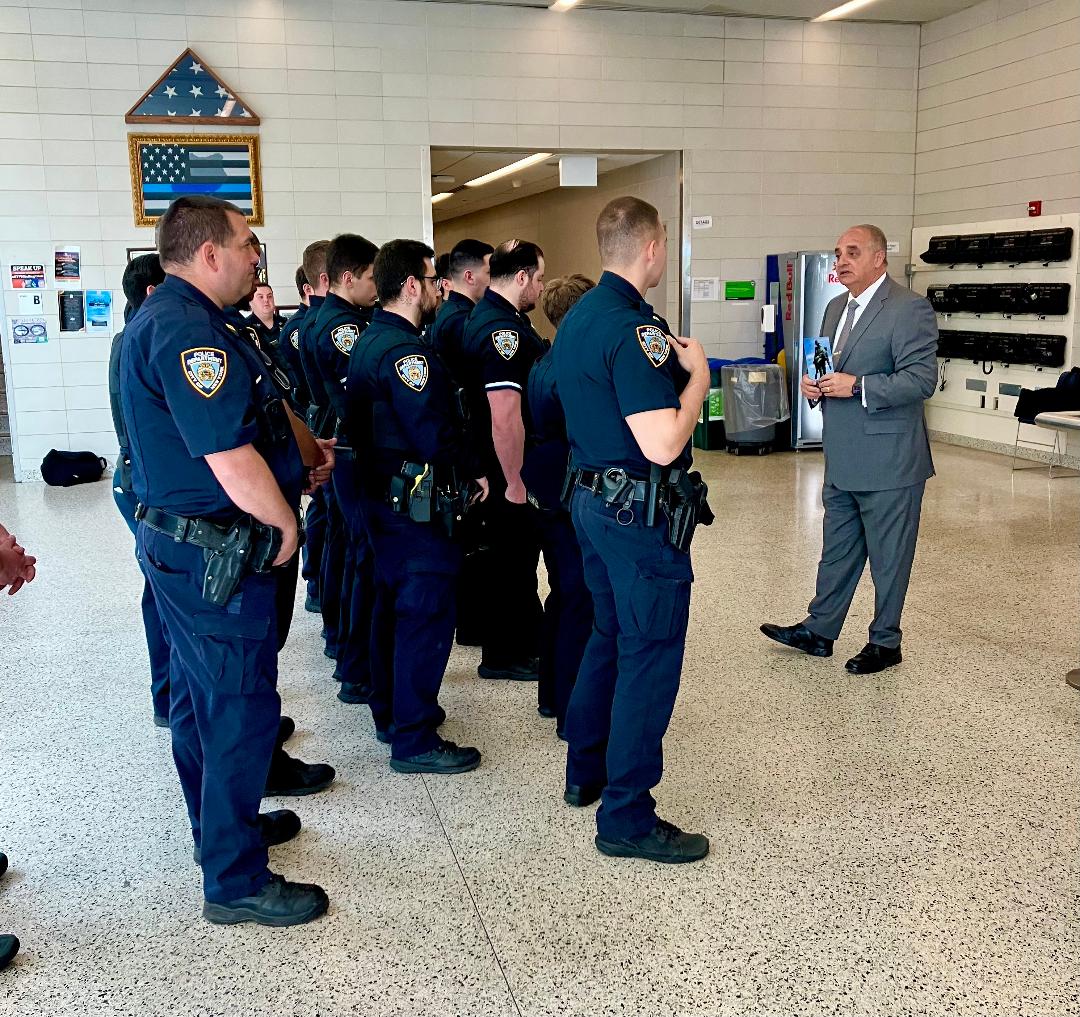
I was reminded of the tech conundrum while talking with a 25-year veteran supervisor at a training conference. He told me he had recently walked into a briefing room and found a very frustrated rookie patrol officer. The source of frustration? The computer system was down, and the officer felt there was no point in going out without his equipment operational. The supervisor told the officer as long as he had a pair of eyes he could go out and do police work. The point: Looking for crooks and problems is what we do. Technology should help us do it better, but it doesn't do the job for us. We must do our part.
Consider this analogy: Those who go fishing like to catch fish, and those who patrol like to catch crooks. When people prepare for a fishing trip, they generally check for the latest information where the fish are biting, the appropriate bait, weather conditions, etc. Many even use a fish finder. However, they still must make the effort and catch the fish. Similarly, we still must make the effort and get out in the field.
That said, wouldn't it be great if we could develop a crook finder? This is the other part of the equation where technology can play a vital role. Once in the field, cops should benefit from real-time access to the same type of information on crimes and crooks that the fisherman enjoys on fishing and fish.
For the past two years, I've been talking with software developers in an effort to improve existing systems to a quasi-artificial intelligence level. It can happen if we simply use the information coming in, analyze it for patterns and quickly provide it to officers not 10 days later when a clerk enters it. Timeliness is the key. Seeing a six-month trend of increasing call volume may be somewhat informative, but it offers marginal practical benefit. Imagine if dispatching software actually tracked the types of calls and locations, analyzed those calls for trends and flagged any area showing a spike of activity sort of like the fishing report.
We should ask manufacturers to develop this type of technology so we can more effectively direct our efforts. Before I get calls from software vendors wanting to sell me crime analysis software, let me clarify that I'm talking about a seamless transfer of dispatched call information to statistically analyzed trends for any given period. We don't need more databases; we need to more effectively use the call info we possess. If your department relies on monthly reports that come out two weeks after the month ended, you're working on very old information. Why would a fisherman ever pick up a two-week-old newspaper to see where the fish were biting?
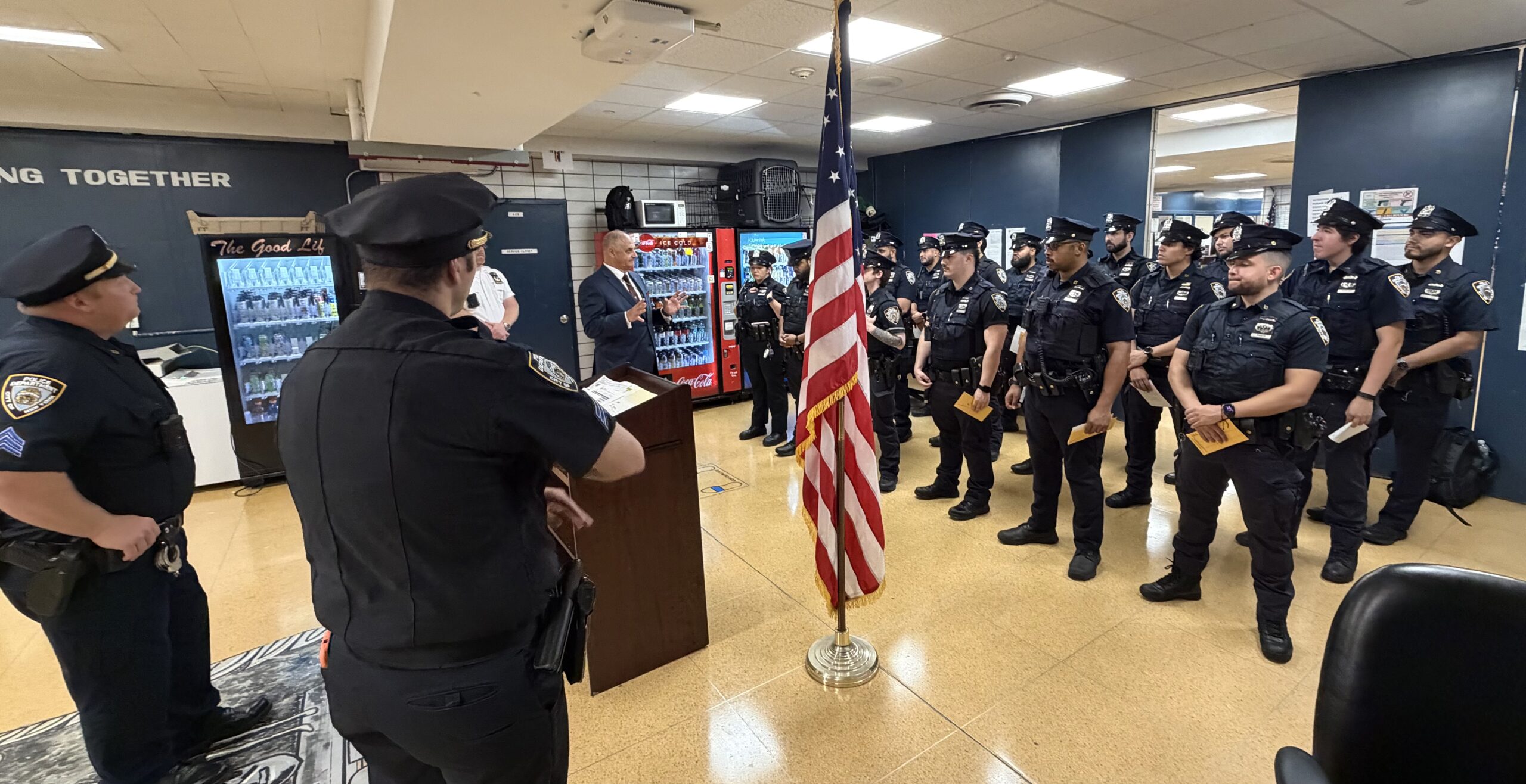
Thousands of times a day throughout this country, officers walk into a briefing room, listen to a supervisor describe the calls handled by the previous shift, and then hit the field to answer a new set of calls. If activity permits, officers randomly patrol their areas of responsibility, looking for crooks that improved technology could help us catch. We should demand more of ourselves than this, and we certainly should ask more from the vendors that sell us technology products.
Dale Stockton, editor