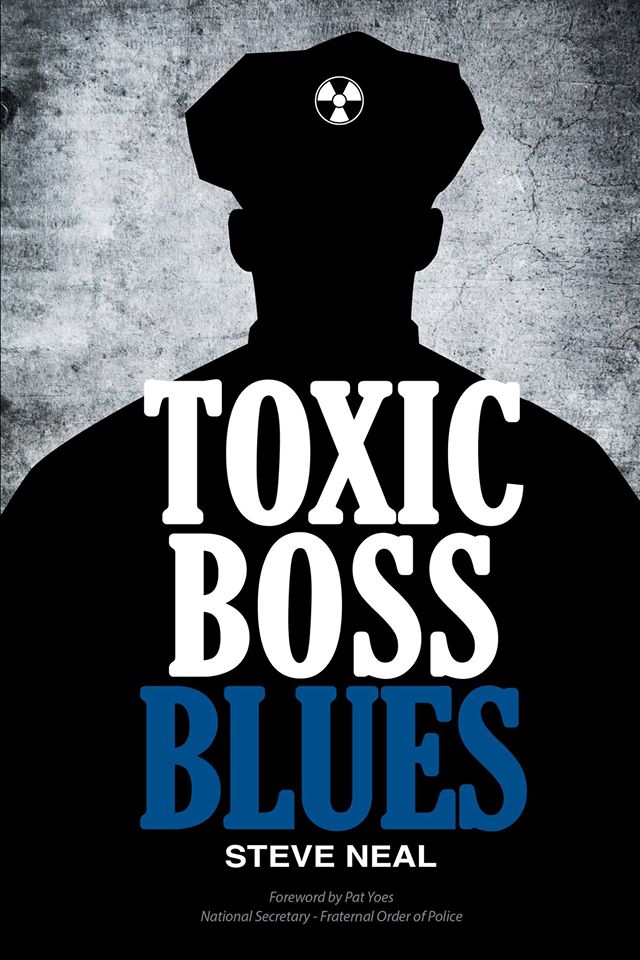
This month’s article is the second in our leadership series regarding Toxic Bosses in Law Enforcement.
Micromanagers are obsessed with control. Fear of failure is the driving force in their world. They worry that unless they regulate every aspect of the environment, the serenity of their existence will be destroyed. Micromanagers in law enforcement are so process-oriented that they often overwhelm the average officer with heaps of useless drudgery and documentation. Their need to make most decisions and to monitor tasks obsessively encourages sheep-like behavior from direct reports.
The toxic micromanager is addicted to the emotional state of mind that involves proving themselves, being in charge, and getting their way. The classic “my way or the highway” boss is the epitome of a “wolf in sheep’s clothing” supervisor. They like to present themselves as mild mannered and even handed, but they can become vicious and vengeful behind closed doors if the tranquility of their world is circumvented. Those of lower rank can be torn to shreds if it advances the restoration of order, or makes the micromanaging boss look good to superior officers.
15 Ways to Recognize a Toxic Micromanager Boss When You See One
Control freak
Imposes ridiculous artificial deadlines
Feels a neurotic need to make decisions
Fanatical about time management
Highly critical
Heavy handed supervision and willing to sacrifice subordinates
Phobic in their attempt to control risk
Compulsively requests detailed status updates
Disproportionate use of charts, graphs and measurement techniques
Excessively process oriented
Over manages and monitors tasks obsessively
Finds comfort when they have instant access to facts that back up their position
Likes to take credit for success and shift blame to others
Eager to manipulate their image so as not to look foolish to superiors
Rewarded by management for attention to detail and having their act together
How The Toxic Micromanager Boss Is Impacting The Workplace?
Oppressive and Overregulated Workplace: The micromanaging toxic boss creates a work environment that is loaded with processes, restrictions and regulations. Workers must conform to the bosses personal rules, and perform as directed with excessive adherence to “by the book” behaviors. Independence and freedom are restrained as workers are told what to do, how to do it, and when task completion is expected. Micromanagers are more often than not schedule and time management maniacs who have little tolerance for those who do not share their obsession.
Control Freaks: The toxic micromanager is likely to be a critical workaholic and perfectionist who seldom praises. They over plan, and commonly set unworkable or impractical deadlines for assignments. The micromanager likes to assign responsibility, but will almost never relinquish authority. Employees are effectively neutered when left with little or no decision-making clout.
Willing to do Management’s Dirty Work: Micromanagers actually relish the role of hangman because it helps them engineer and govern office affairs. They are habitually ruthless rule enforcers who relentlessly pursue orderliness and procedures. They are likely to be harsh, unsympathetic, and unforgiving when interacting with direct reports. The toxic use annual performance appraisals as a means to admonish, censure and reprimand those under their command.
Long-Term Damage: Oppressive mismanagement will extinguish optimism and obliterate loyalty while simultaneously creating hesitancy amongst coworkers. Frustrated and beaten down, those who report to a micromanager will learn to work to minimum standards upon acceptance that their creativity, productivity, teamwork, synergy, and collaboration are being silenced.
Where Do We Go From Here
Excessive scrutiny by a toxic boss can destroy confidence, initiative and motivation. Nitpicking by the micromanager limits the employee’s ability to develop and grow. The continuous lack of faith in subordinates, models bad behavior and makes it appear to followers that overregulation and authoritarian conduct will lead to success in the organization. The impact on the subordinate is a lesson that nothing seems good enough.
Great leaders set their employees up for success. Toxic micromanagement is the polar opposite of good leadership. It is imperative that those entrusted with leadership positions do not reward the toxic boss for their bad behavior.
The following model could be considered as an alternative to micromanagement:
- Ensure that all teammates understand the ultimate goal
- Define performance parameters
- Trust and empower direct reports to get the job done
- Be a resource for those who are working in the trenches
- Follow-up as a teammate, review progress, and provide guidance as needed
- Watch gratified employees exceed expectations as they deliver the final product
- Celebrate success!