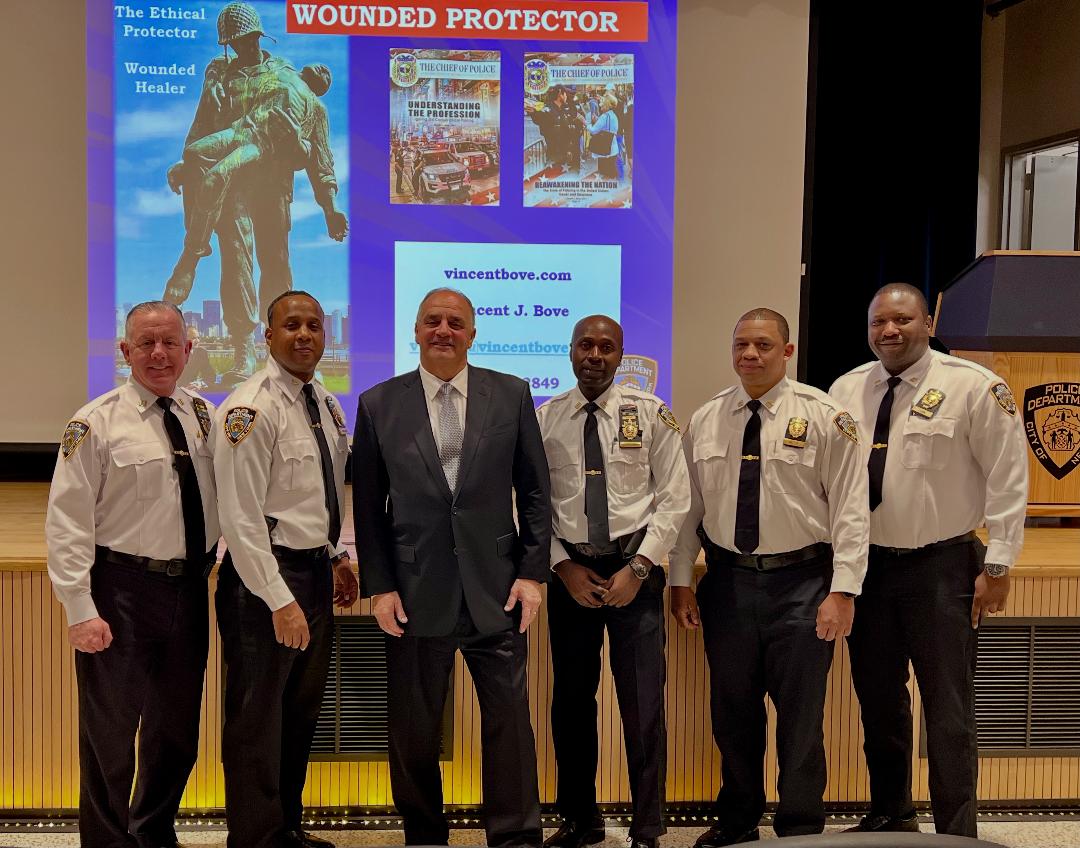
At times, police departments are confronted with the tragic death by suicide of one of their own.
Such tragedies reverberate far beyond the individual — families, colleagues, and entire communities feel the impact. While every loss is deeply personal, taken together they reveal a national public health crisis.
Even with imperfect reporting, available research indicates that suicide rates among law enforcement personnel frequently rival or exceed traditional line-of-duty deaths, particularly among officers who are also military veterans. This dual exposure significantly amplifies risk and demands urgent cultural transformation.
Forged to Protect™: Developed for the NYPD, Implemented in Action
Forged to Protect™ was developed specifically for the NYPD as an unprecedented, department-wide initiative following extensive consultation and vetting with senior executives, mental health professionals, and peer leaders. The program underwent an intensive approval process, including review and endorsement by the Police Commissioner, the NYPD Supervising Chief Surgeon, the NYPD Lead Psychiatrist, and a formal presentation to the Police Self Support Group, observed by the Lead Surgeon. This rigorous vetting underscores the seriousness, credibility, and departmental commitment to the initiative.

Since 2024, the framework has been actively implemented across every borough, unit, and rank, engaging personnel where they serve and lead. This is not theory or symbolic gesture — it is practice in action with measurable impact: officers have received support, guidance, encouragement, and tangible resources. Many may not yet realize the full scope of these efforts, but the outcomes are unmistakable: morale has been strengthened, emotional resiliency cultivated, and lives touched—and saved.
The Weight Behind the Badge
Police officers are repeatedly exposed to humanity at its breaking points — fatal accidents, domestic violence, child abuse, overdoses, suicides, and violent crime scenes. While each incident may be processed in the moment, the cumulative psychological imprint often surfaces later, quietly and persistently, beyond the end of any shift.
That unseen toll often emerges in quiet but consequential ways, including:
- Sleep disruption following child-fatality calls
- Detectives haunted by cases that will never be resolved
- Patrol officers replaying use-of-force incidents long after the event
- Supervisors burdened by guilt over warning signs they fear were missed
Courage is indispensable to policing. But courage must never be mistaken for emotional invulnerability. Without structured, trusted support, the cumulative weight of trauma can become unbearable.
Forged to Protect™: Four Interdependent Pillars
- Ethical Leadership — The Heartbeat
Leadership establishes culture. Officers take their cues from leaders who demonstrate principle, integrity, and moral courage. Ethical leadership is not aspirational rhetoric—it is lived, visible, and actionable. When leaders lead ethically, mental-health conversations are destigmatized, and officers feel safe seeking support without fear of judgment or career consequence.
- Morale — Strengthening and Affirming
Morale is built through recognition, encouragement, and consistent human connection. Officers who feel valued are more resilient, engaged, and capable of supporting one another. Personal outreach, mentoring, and authentic affirmation form the backbone of this pillar, reinforcing dignity and purpose in a profession that demands both.
- Emotional Resiliency — The Wounded Protector Mindset
Resiliency transforms vulnerability into strength.
Drawing on decades of experience informed by Dr. Conrad Baars’ principles of affirmation and encouragement, this pillar restores dignity, reinforces identity, and strengthens emotional fortitude.
The wounded protector mindset reframes adversity—trauma, hardship, emotional injury—not as weakness, but as a source of insight and strength. Officers emerge more empathetic, grounded, and capable of supporting others precisely because they have endured and grown.
This pillar reinforces the first two: ethical leadership and morale create the cultural conditions in which true resiliency can take root.
- Suicide Prevention — The Outcome of Culture and Care
Suicide prevention is not a standalone initiative. It is the natural outcome of ethical leadership, strengthened morale, and cultivated resiliency. When stigma is removed and trusted, confidential support is accessible, risk is reduced and intervention becomes possible—often before crisis escalates.
Clinical Collaboration and Community Integration
Forged to Protect™ integrates clinical expertise from Dr. Stephen Wakschal with principled leadership and lived experience. This collaboration demonstrates a replicable model that bridges professional disciplines without commercial motive:
- Ethical, principled leadership complements clinical expertise
- Programs address both individual wellbeing and organizational culture
- Lessons learned are applicable nationwide for law-enforcement agencies and community leaders
The emphasis is action, not promotion—a framework others can responsibly adopt to ensure officers receive effective, evidence-based support.
Recognizing Warning Signs
As noted by the Centers for Disease Control (CDC), early identification is critical. Warning signs may include:
- Expressing hopelessness or feeling trapped
- Withdrawal from colleagues or social support
- Increased alcohol or drug use
- Extreme mood swings, agitation, or irritability
- Talking about self-harm or death
Immediate support can save lives.
National Resource: For anyone in crisis, contact the Suicide & Crisis Lifeline at 988 (Veterans press 1).
NYPD Implementation: From Concept to Reality
Forged to Protect™ is not aspirational—it is fully operational across the New York City Police Department.
Since 2024, the framework has been actively implemented through sustained, hands-on engagement at every level of the organization:
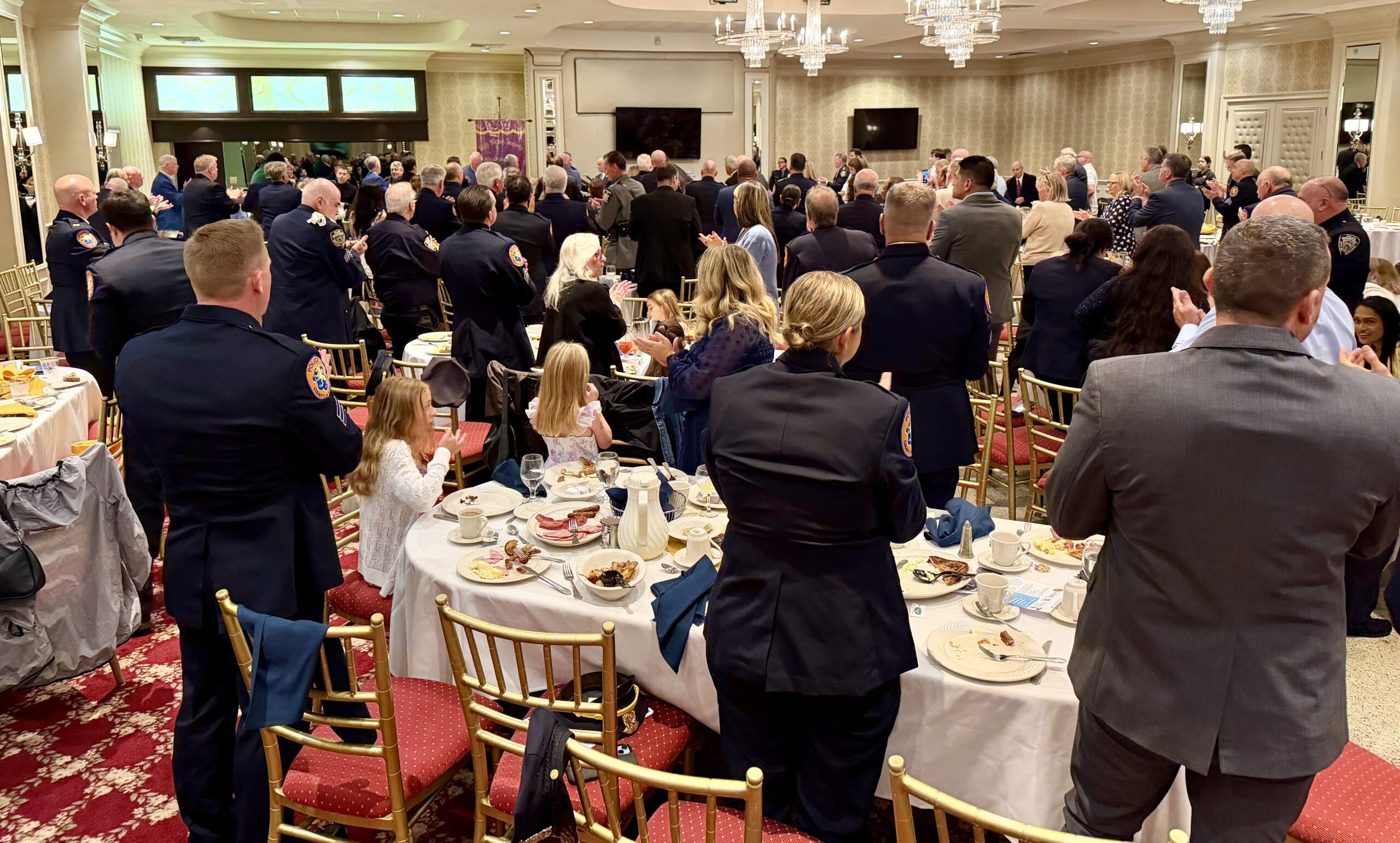
- Roll Call Engagements: Borough-wide addresses reaching officers on the front lines at precincts and public service area’s
- Academy Classes: Cadets receive ethical leadership and resiliency training
- Promotion Classes: Lieutenants, sergeants, and captains incorporate principles into leadership development
- Specialized Units: Domestic violence and detective squads, ensuring trauma-informed approaches in critical investigations
- Transit Districts: Officers across all transit districts receive guidance on morale, emotional resiliency, and ethical leadership
- Police Self Support Group: Dedicated to officers with serious line-of-duty injuries or life-threatening illnesses, providing unique and ongoing support
- Fraternal Organizations: presentations, mentorship, and ethical guidance for members
- Peer Support Personnel: Confidential guidance, debriefing, and support for officers in crisis
- Daily Outreach: Calls, texts, and personal messages offering encouragement, affirmation, and connection
- Referrals & Guidance: Trusted conversations with officers, real-time problem-solving, and resources for emotional and professional support
- Special Events: including the NYPD Finest Baseball Team, the NYPD Annual Catholic Retreat, and interagency collaborative presentations — fostering a culture of morale, spiritual grounding, ethical leadership, and resilience
This is not theory or symbolism. The outcomes are tangible: officers report strengthened morale, improved emotional resiliency, and meaningful support when confronting trauma, stress, and personal crisis.
The scope of Forged to Protect™ demonstrates a department-wide, sustained commitment that reaches every rank, unit, and community interaction—illustrating that ethical leadership, morale, emotional resiliency, and suicide prevention are not isolated initiatives, but a comprehensive, actionable framework.
Importantly, the principles and structure of Forged to Protect™ are replicable. Agencies and leaders across the United States can adapt this model to protect, support, and empower their own personnel, creating a national standard for ethical, resilient, and life-saving law enforcement culture.
Forged to Protect™ transforms vulnerability into strength, showing that ethical leadership, unwavering morale, and emotional resiliency are not abstract ideals—they are lifesaving action, a culture of care, and a blueprint to protect every officer, every day.
Legacy and Lifelong Dedication
Forged to Protect™ is built on more than 40 years of principled leadership and advocacy, beginning with work as a trusted confidant in professional sports and extending through decades of mentorship and guidance in law enforcement. This article memorializes ongoing initiatives, demonstrating how ethical leadership, morale, emotional resiliency, and suicide prevention can come together as a practical, transformative framework that truly works in action.
A Cultural Manifesto for Change
Forged to Protect™ is more than an article — it is a cultural manifesto for empowering leadership, destigmatizing mental health, and strengthening America’s protectors. Through principled leadership, moral courage, and the Wounded Protector mindset, departments can:
- Protect officers before, during, and after crises
- Reduce stigma and encourage help-seeking
- Build a resilient, supportive, and empowered force
Final Reflection
Behind every badge is a human being — with history, hope, fear, and potential. Ethical leadership, moral courage, and the Wounded Protector mindset transform vulnerability into strength. Forged to Protect™ changes culture, saves lives, and leaves a legacy that will inspire protectors for generations.
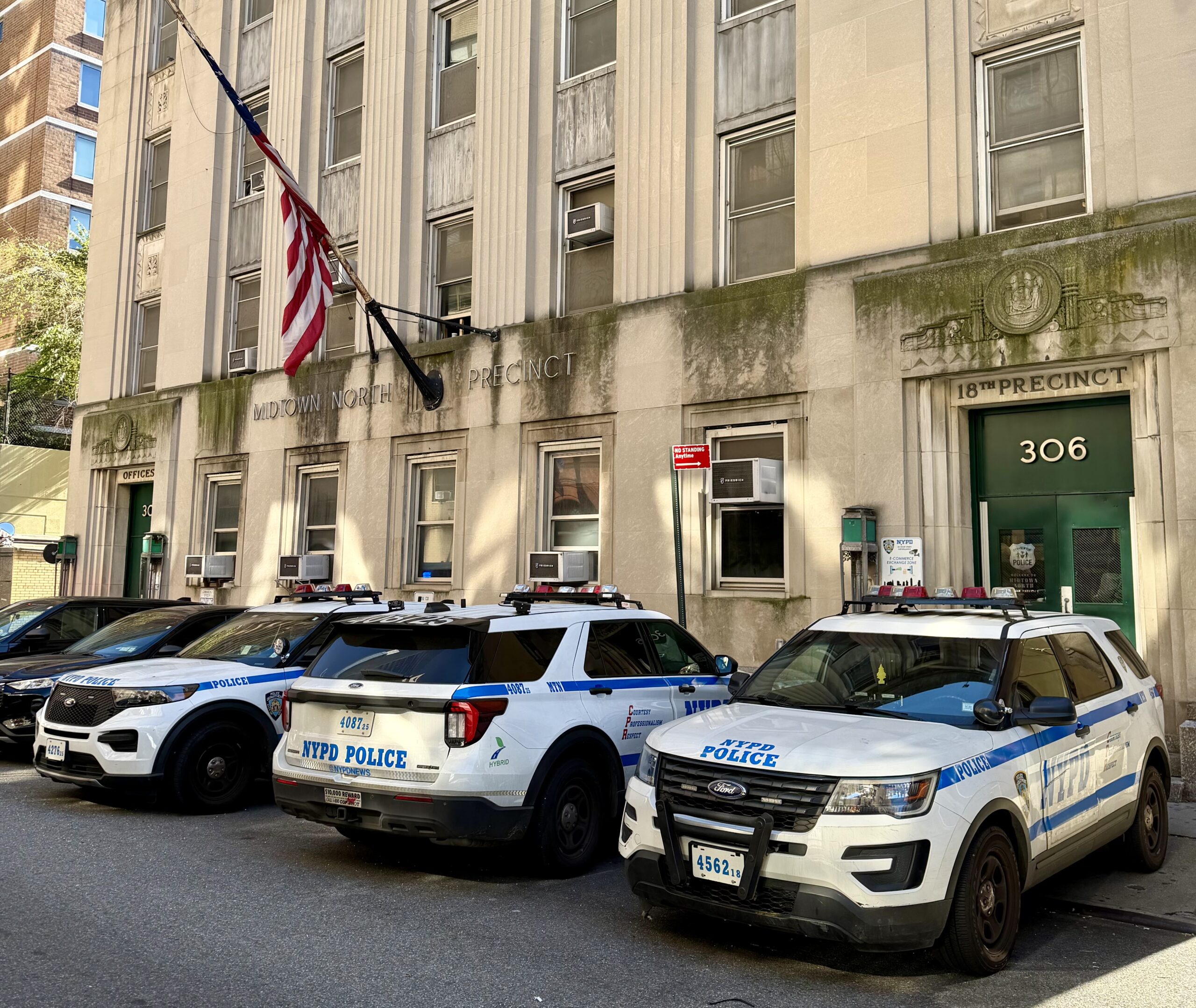
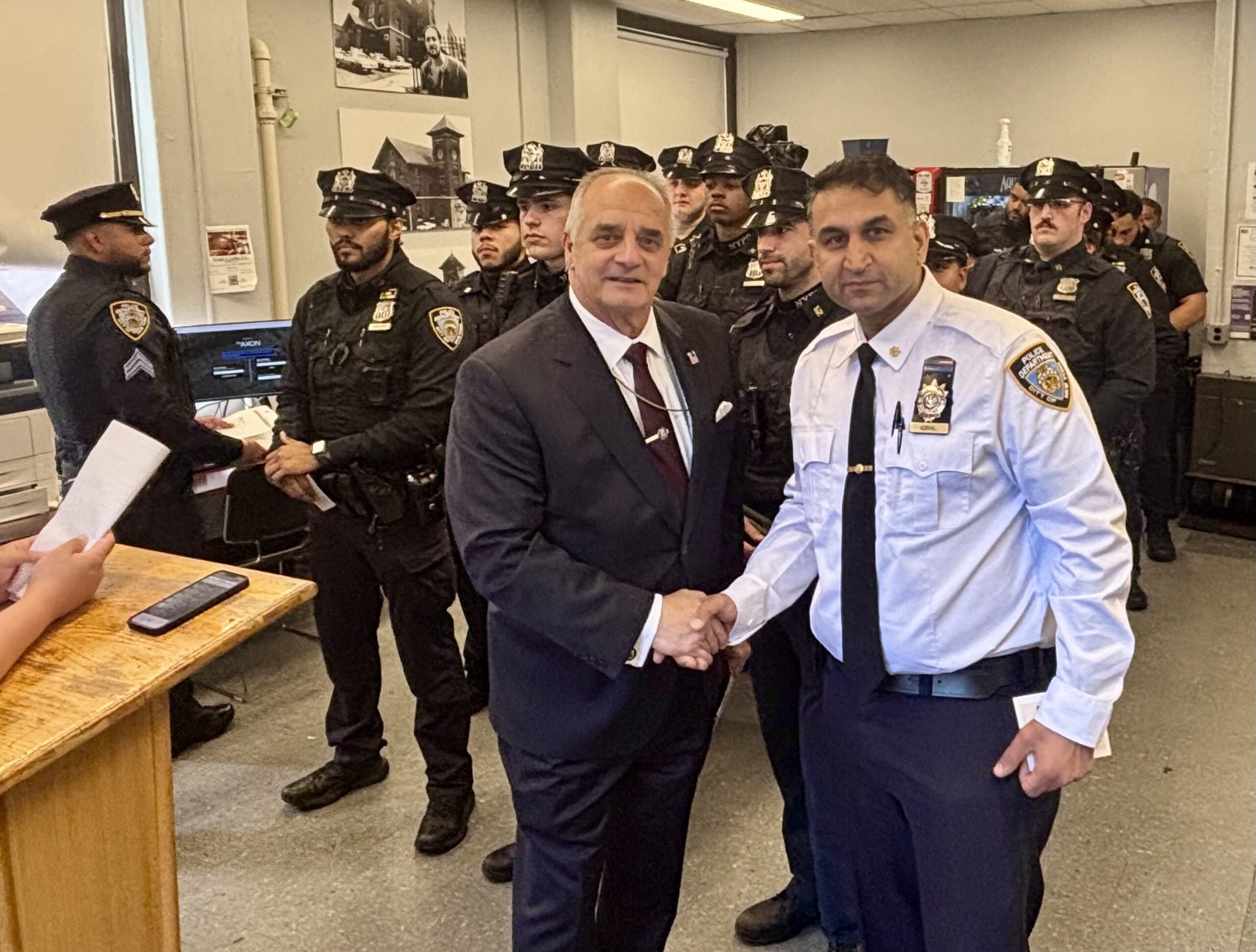
As part of this ongoing effort to transform American policing, recent precinct visits have brought principles of ethical leadership, courage, and resiliency to life. Officers were inspired through Liberation Monument cards, which celebrate heroism and moral character, and equipped with the Columbia Lighthouse Project suicide prevention app, which reinforces emotional resiliency.
In my next Law Officer article, I will examine a visit to the NYPD 94th Precinct in Brooklyn. At a moment of national reckoning for American policing, the conduct and leadership of its officers demonstrate why ethical leadership and moral courage remain indispensable to the profession and the communities it serves.